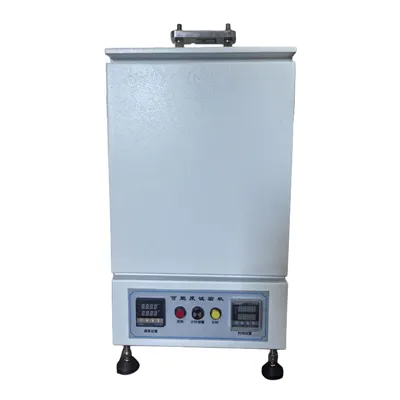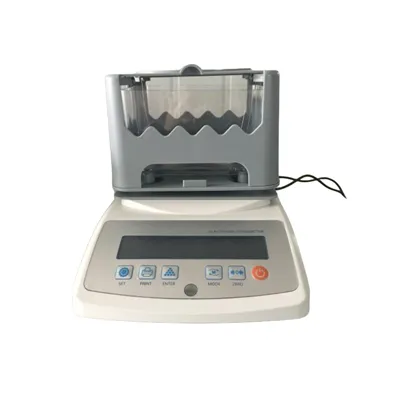
As a supplier of Electronic Density Meters, I've witnessed firsthand the importance of accurate density measurements in various industries. One factor that can significantly affect these measurements is the presence of sample impurities. In this blog post, I'll explore the impact of sample impurities on the measurement of an Electronic Density Meter and discuss how to mitigate these effects.
Understanding Electronic Density Meters
Before delving into the impact of sample impurities, it's essential to understand how Electronic Density Meters work. These devices measure the density of a sample by determining its mass per unit volume. They typically use a vibrating tube or a buoyancy principle to make these measurements. The density value is then displayed on a digital screen, providing a quick and accurate reading.
Electronic Density Meters are widely used in industries such as pharmaceuticals, chemicals, food and beverage, and petrochemicals. They are essential for quality control, research and development, and process monitoring. Accurate density measurements can help ensure product consistency, optimize production processes, and meet regulatory requirements.
The Impact of Sample Impurities
Sample impurities can have a significant impact on the measurement of an Electronic Density Meter. Impurities can alter the density of the sample, leading to inaccurate readings. Here are some ways in which sample impurities can affect density measurements:
1. Changes in Mass
Impurities can increase or decrease the mass of the sample, depending on their density. For example, if a sample contains solid particles with a higher density than the base liquid, the overall mass of the sample will increase. This will result in a higher density reading on the Electronic Density Meter. Conversely, if the impurities have a lower density than the base liquid, the mass of the sample will decrease, leading to a lower density reading.
2. Changes in Volume
Impurities can also affect the volume of the sample. Some impurities may dissolve in the base liquid, causing it to expand or contract. This can lead to changes in the volume of the sample, which will in turn affect the density measurement. For example, if a sample contains a solute that causes the liquid to expand, the volume of the sample will increase, resulting in a lower density reading.
3. Interference with Measurement Principles
Certain impurities can interfere with the measurement principles of an Electronic Density Meter. For example, if a sample contains air bubbles, they can affect the vibration of the tube or the buoyancy of the sample, leading to inaccurate readings. Similarly, if the sample contains magnetic or electrically conductive impurities, they can interfere with the electronic components of the density meter.
4. Chemical Reactions
Impurities can also react with the base liquid or the components of the density meter, leading to changes in the density of the sample. For example, if a sample contains a reactive substance that reacts with the base liquid, it can form a new compound with a different density. This can result in inaccurate density measurements.
Examples of Sample Impurities and Their Impact
To illustrate the impact of sample impurities on density measurements, let's consider some specific examples:
1. Solid Particles
In the pharmaceutical industry, solid particles can be present in drug formulations. These particles can affect the density of the formulation, leading to inaccurate dosage calculations. For example, if a tablet contains a high concentration of excipients (inert substances used to bind the active ingredient), the density of the tablet may be higher than expected. This can result in an overestimation of the active ingredient content, leading to potential safety issues.
2. Dissolved Gases
In the food and beverage industry, dissolved gases can be present in products such as carbonated drinks. These gases can affect the density of the liquid, leading to inaccurate volume measurements. For example, if a carbonated drink contains a high concentration of carbon dioxide, the density of the liquid will be lower than expected. This can result in an underestimation of the volume of the drink, leading to potential customer dissatisfaction.
3. Contaminants
In the petrochemical industry, contaminants such as water or dirt can be present in oil samples. These contaminants can affect the density of the oil, leading to inaccurate quality control measurements. For example, if an oil sample contains a high concentration of water, the density of the oil will be lower than expected. This can result in an overestimation of the oil's quality, leading to potential operational issues.
Mitigating the Impact of Sample Impurities
To ensure accurate density measurements, it's important to mitigate the impact of sample impurities. Here are some strategies that can be used:
1. Sample Preparation
Proper sample preparation is crucial for accurate density measurements. This includes filtering the sample to remove solid particles, degassing the sample to remove dissolved gases, and ensuring that the sample is homogeneous. By preparing the sample properly, you can minimize the impact of impurities on the density measurement.
2. Calibration
Regular calibration of the Electronic Density Meter is essential for accurate measurements. Calibration involves comparing the readings of the density meter with a known standard. By calibrating the density meter regularly, you can ensure that it is providing accurate readings and compensate for any changes in the measurement system over time.
3. Quality Control
Implementing a quality control program is important for ensuring the accuracy of density measurements. This includes monitoring the quality of the samples, performing regular checks on the density meter, and documenting the results. By implementing a quality control program, you can identify and address any issues that may affect the accuracy of the density measurements.
4. Use of Appropriate Equipment
Using appropriate equipment is important for accurate density measurements. This includes using a density meter that is suitable for the type of sample being measured and ensuring that the equipment is properly maintained. By using appropriate equipment, you can minimize the impact of impurities on the density measurement.
Related Products
In addition to Electronic Density Meters, we also offer a range of other testing equipment that can be used in conjunction with density measurements. These include:
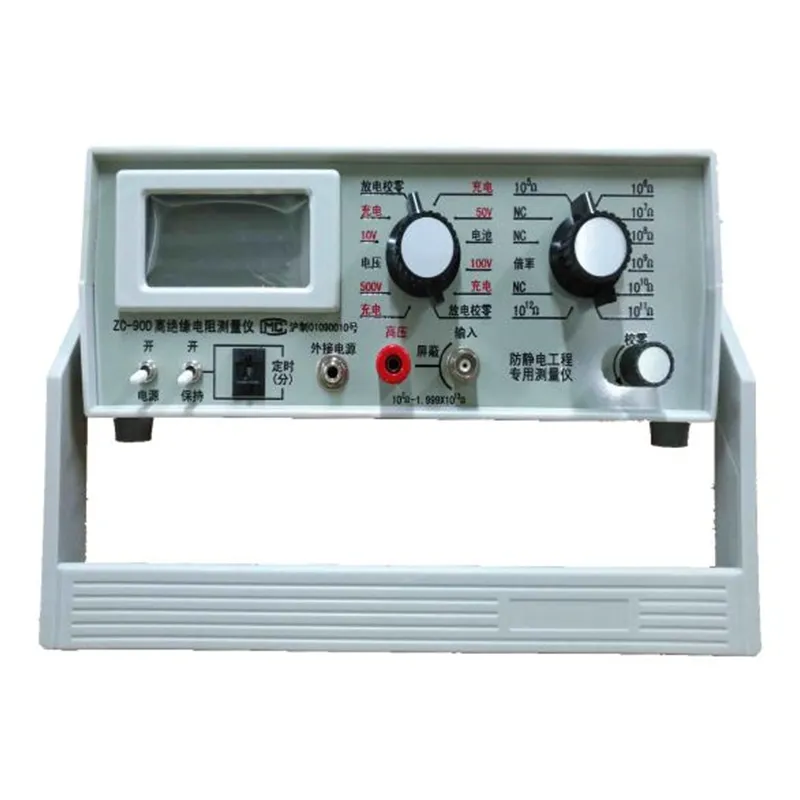
- Insulation Resistance Measurement Device: This device is used to measure the insulation resistance of electrical components. It can be used in conjunction with density measurements to ensure the quality of electrical products.
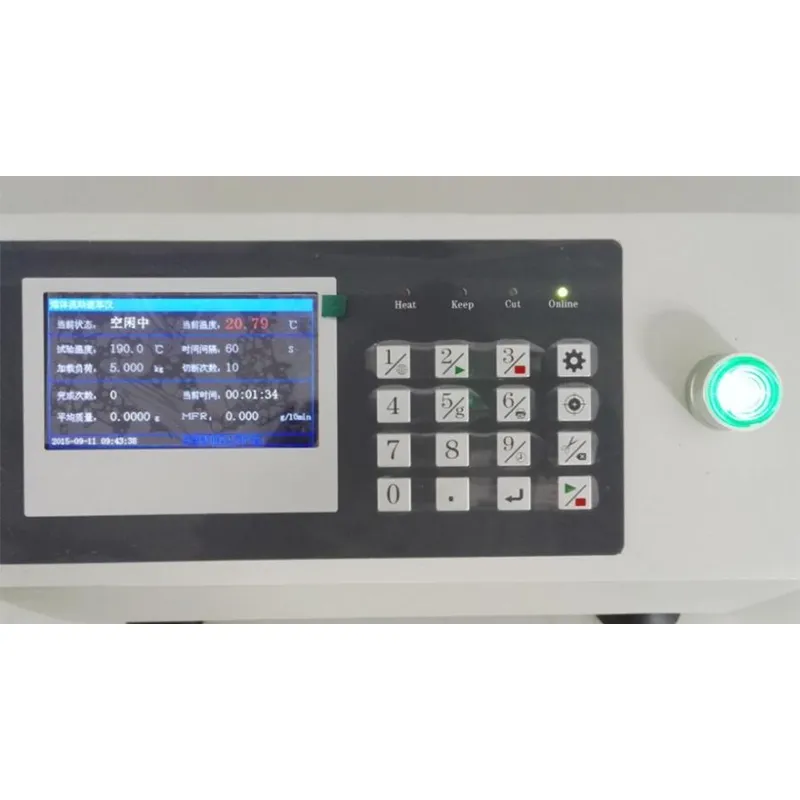
- Melt Flow Index Instrument: This instrument is used to measure the melt flow index of polymers. It can be used in conjunction with density measurements to ensure the quality of plastic products.
- Mooney Viskosimeter: This viskosimeter is used to measure the viscosity of rubber compounds. It can be used in conjunction with density measurements to ensure the quality of rubber products.
Conclusion
Sample impurities can have a significant impact on the measurement of an Electronic Density Meter. By understanding the ways in which impurities can affect density measurements and implementing strategies to mitigate these effects, you can ensure accurate and reliable density measurements. As a supplier of Electronic Density Meters, we are committed to providing high-quality products and services to our customers. If you have any questions or need further information about our products, please don't hesitate to contact us. We look forward to working with you to meet your density measurement needs.
References
- ASTM D4052 - Standard Test Method for Density, Relative Density, and API Gravity of Liquids by Digital Density Meter
- ISO 12185 - Petroleum products -- Determination of density -- Oscillating U-tube method
- NIST Handbook 44 - Specifications, Tolerances, and Other Technical Requirements for Weighing and Measuring Devices