As a seasoned supplier of testing machines, I've witnessed firsthand the crucial role these devices play in quality control and product development across numerous industries. One of the most important aspects of a testing machine is the test report it generates. In this blog post, I'll delve into what test reports from a testing machine are, their significance, and the types of information they contain.
Understanding the Purpose of Test Reports
Test reports are comprehensive documents that summarize the results of tests conducted using a testing machine. They serve as an official record of the performance and characteristics of a particular material, product, or component under specific test conditions. These reports are not only valuable for the manufacturers or developers of the tested items but also for regulatory bodies, quality assurance teams, and customers.
The primary purpose of a test report is to provide objective and verifiable data. This data helps in making informed decisions about the acceptability, safety, and quality of the tested item. For instance, in the automotive industry, test reports can determine whether a new tire design meets the required safety standards. In the pharmaceutical sector, they can verify the efficacy and stability of a drug.
Key Components of a Test Report
1. General Information
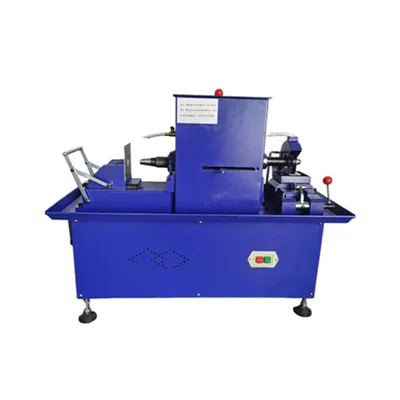
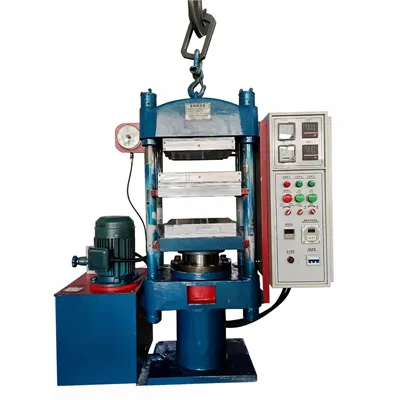
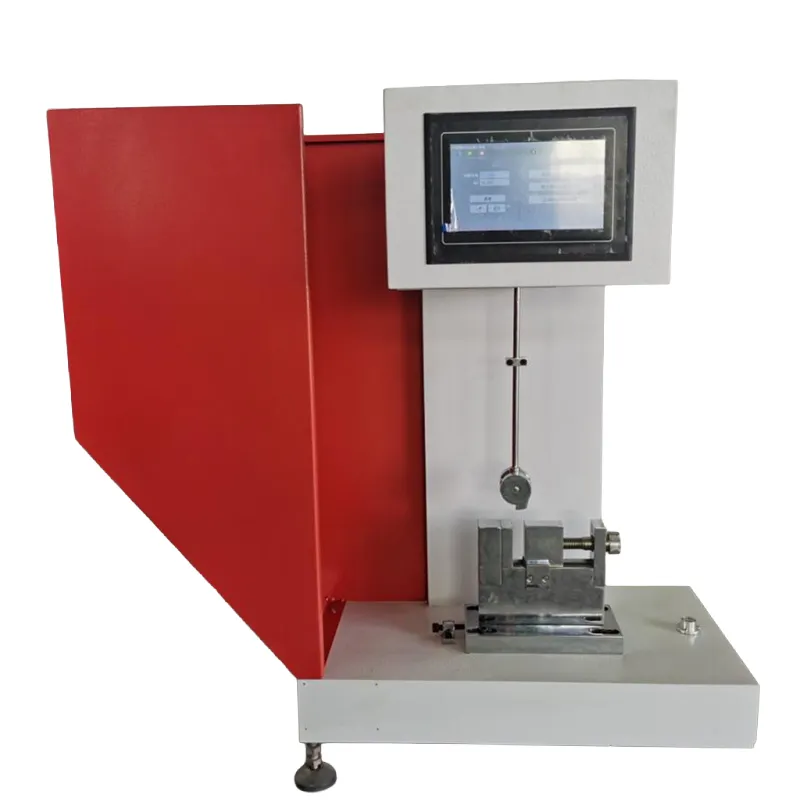
The test report typically begins with general information about the test. This includes the name and description of the testing machine used, such as our Rubber Resiliency Tester, Izod Impact Machine, or Plasticity Tester. It also mentions the date and location of the test, as well as the names of the personnel involved in the testing process.
2. Tested Specimen Details
This section provides detailed information about the specimen being tested. It includes the material type, dimensions, shape, and any relevant manufacturing details. For example, if testing a plastic component, the report might specify the type of plastic resin used, the molding process, and the color of the component.
3. Test Method and Conditions
The test report outlines the specific test method employed and the conditions under which the test was conducted. This is crucial because the results can vary significantly depending on the test method and conditions. For example, when testing the tensile strength of a metal, the report will state the speed at which the load was applied, the temperature, and the humidity during the test.
4. Test Results
The heart of the test report is the presentation of the test results. This section includes numerical data, graphs, and charts that illustrate the performance of the specimen. For example, in a hardness test, the report might show the hardness values at different points on the specimen, along with an average value. The results are often compared against pre - defined standards or specifications to determine the acceptability of the specimen.
5. Analysis and Interpretation
After presenting the test results, the report may include an analysis and interpretation of the data. This can help the reader understand the significance of the results and their implications for the tested item. For example, if the results of a fatigue test show that a component fails after a relatively low number of cycles, the analysis might suggest possible reasons, such as material defects or poor design.

6. Conclusions and Recommendations
Based on the test results and analysis, the report concludes with a summary of the findings. It states whether the specimen meets the required standards or specifications. If the specimen fails to meet the criteria, the report may include recommendations for improvement, such as changing the material, modifying the manufacturing process, or conducting further tests.
Types of Test Reports Generated by Different Testing Machines
1. Mechanical Testing Machines
Mechanical testing machines, such as our Izod Impact Machine, are used to evaluate the mechanical properties of materials, such as strength, hardness, and toughness. The test reports generated by these machines typically include data on parameters like tensile strength, yield strength, elongation, and impact resistance. These reports are essential for industries like construction, aerospace, and automotive, where the mechanical properties of materials directly affect the performance and safety of the final products.
2. Material Testing Machines
Material testing machines, like the Plasticity Tester, are designed to analyze the physical and chemical properties of materials. The test reports from these machines may include information on properties such as density, viscosity, thermal conductivity, and chemical composition. In the polymer industry, for example, these reports help in understanding the behavior of plastics under different conditions and in developing new materials with specific properties.
3. Environmental Testing Machines
Environmental testing machines simulate different environmental conditions, such as temperature, humidity, and corrosion. The test reports from these machines show how a product or material performs under these conditions over time. For example, in the electronics industry, environmental test reports can indicate how well a device withstands high temperatures and humidity, which is crucial for ensuring its reliability in real - world applications.
The Importance of Accurate Test Reports
Accurate test reports are essential for several reasons. Firstly, they ensure compliance with industry standards and regulations. Many industries are subject to strict regulations, and test reports are often required to demonstrate compliance. For example, in the food and beverage industry, test reports are necessary to prove that products meet safety and quality standards.
Secondly, accurate test reports build trust between manufacturers and customers. When customers receive reliable test reports, they can have confidence in the quality and performance of the products they are purchasing. This is particularly important in industries where safety is a major concern, such as the medical device industry.
Finally, test reports are valuable for research and development purposes. They provide a wealth of data that can be used to improve existing products and develop new ones. By analyzing the test results, companies can identify areas for improvement and make informed decisions about product design and manufacturing processes.
Conclusion and Call to Action
In conclusion, test reports generated by testing machines are vital documents that provide objective data about the performance and characteristics of materials, products, and components. As a leading supplier of testing machines, we understand the importance of accurate and comprehensive test reports. Our testing machines, including the Rubber Resiliency Tester, Izod Impact Machine, and Plasticity Tester, are designed to generate high - quality test reports that meet the needs of various industries.
If you're in the market for reliable testing machines or need more information about the test reports they generate, we encourage you to reach out. Our team of experts is ready to assist you in finding the right testing solutions for your specific requirements. Contact us today to start a discussion about your testing needs and explore how our products can benefit your business.
References
- ASTM International. (Year). Standard test methods for various materials.
- ISO Standards. (Year). International standards for testing and quality control.
- Industry - specific handbooks and guidelines related to material testing and quality assurance.