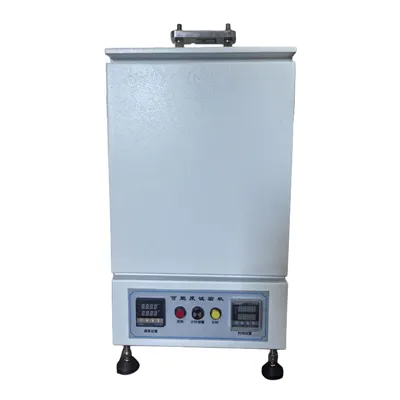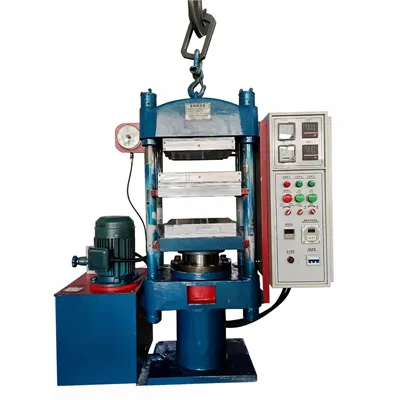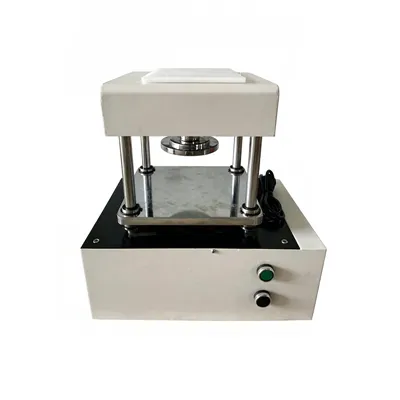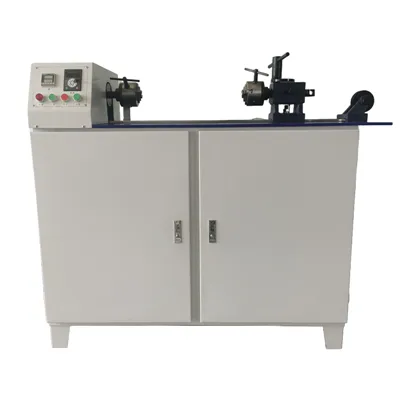
Plasticity is a fascinating characteristic of materials, and it plays a huge role in determining their durability. As a supplier of Plasticity Tester, I've seen firsthand how understanding plasticity is key to making long - lasting products.
Let's start with the basics. Plasticity refers to a material's ability to undergo permanent deformation without breaking when a force is applied. Think of it like molding clay. When you shape clay, it stays in the new form, right? That's plasticity in action. In the world of materials science, this property is super important because it affects how a material will hold up over time.
For metals, plasticity can be a double - edged sword when it comes to durability. On one hand, a certain level of plasticity is beneficial. Metals with good plasticity can absorb energy during impacts. For example, in the automotive industry, car bodies are made from metals with some degree of plasticity. When a car gets into a small collision, the metal can deform instead of shattering. This not only protects the passengers but also means the car can potentially be repaired.
However, too much plasticity can also be a problem. If a metal is overly plastic, it can deform under normal operating conditions. Take a metal beam in a building. If it has excessive plasticity, it might start to bend over time due to the weight it's supporting. This can lead to structural instability and reduce the overall durability of the building.
In the case of polymers, plasticity is closely related to their molecular structure. Polymers are made up of long chains of molecules. When a polymer has high plasticity, it means the molecular chains can slide past each other easily when a force is applied. This can be great for manufacturing processes. For instance, plastic injection molding relies on the plasticity of polymers to create all sorts of products, from toys to medical devices.
But when it comes to durability, polymers with high plasticity can be vulnerable to creep. Creep is the slow and continuous deformation of a material under a constant load. If a plastic part in a machine has high plasticity, it might start to creep over time, which can cause the part to malfunction. This is why it's crucial to test the plasticity of polymers before using them in critical applications. That's where our Plasticity Tester comes in. It can accurately measure the plasticity of polymers, helping manufacturers choose the right materials for their products.
Rubbers are another type of material where plasticity has a significant impact on durability. Rubbers are known for their elasticity, but they also have some degree of plasticity. A Rubber Testing Machine can be used to measure both the elastic and plastic properties of rubber.
Good plasticity in rubber allows it to adapt to different shapes and loads. For example, rubber seals in engines need to be able to deform slightly to create a tight seal. However, if the rubber has too much plasticity, it can lose its shape and elasticity over time. This can lead to leaks and reduced performance of the engine.
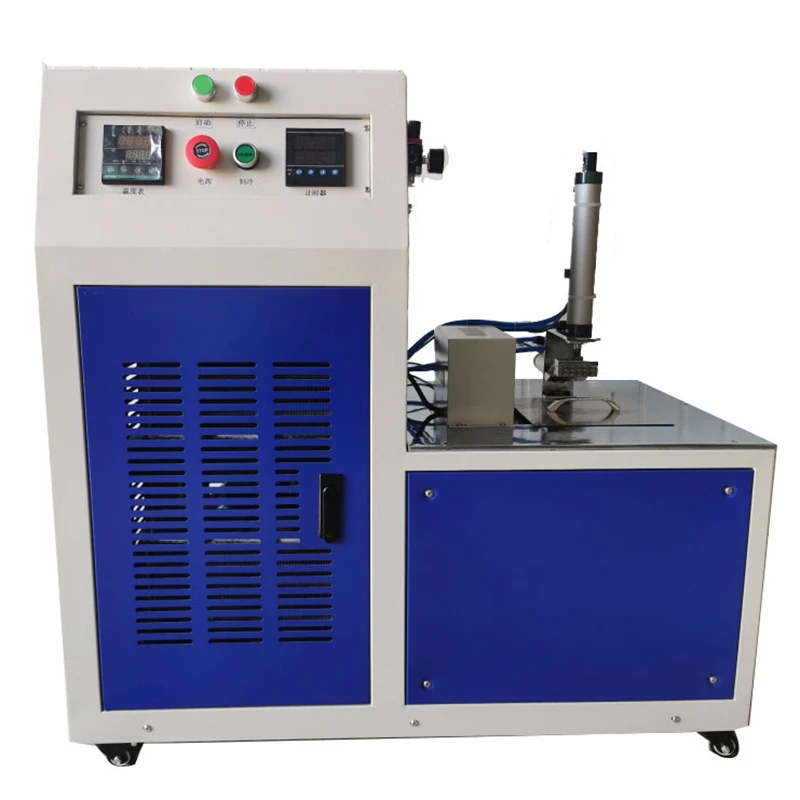
Low - temperature conditions can also affect the plasticity and durability of materials. Many materials become less plastic at low temperatures. A Low Temperature Brittleness Tester can be used to determine how a material will perform in cold environments.
For example, when it comes to rubber products used in cold regions, such as tires for winter driving, it's essential that the rubber maintains a certain level of plasticity. If the rubber becomes too brittle at low temperatures, it can crack easily, which is extremely dangerous. By using a low - temperature brittleness tester, manufacturers can ensure that their rubber products are safe and durable in cold conditions.
In the construction industry, the plasticity of concrete is also a crucial factor. Concrete is a composite material made up of cement, aggregates, and water. During the mixing and pouring process, concrete needs to have enough plasticity to be shaped and placed properly. But once it hardens, it should have low plasticity to maintain its structural integrity.
If the concrete has too much plasticity after hardening, it can lead to cracking and deformation over time. This can compromise the safety of the building. Construction companies can use our Plasticity Tester to ensure that the concrete they use has the right level of plasticity for the specific application.

In the electronics industry, the plasticity of materials used in circuit boards and components can affect their durability. For example, the plastic casings of electronic devices need to be able to withstand some degree of impact and stress. If the plastic has poor plasticity, it might crack easily when the device is dropped or bumped. On the other hand, if it has too much plasticity, it can deform and cause problems with the internal components.
Understanding the influence of plasticity on the durability of materials is not just about theory. It has real - world implications for product design, manufacturing, and quality control. By accurately measuring the plasticity of materials, manufacturers can make informed decisions about which materials to use and how to design their products for maximum durability.
As a supplier of Plasticity Tester, Rubber Testing Machine, and Low Temperature Brittleness Tester, we're committed to helping our customers improve the quality and durability of their products. Our testing machines are designed to provide accurate and reliable results, allowing manufacturers to make the best choices for their materials.
If you're in the business of manufacturing products and want to ensure the durability of your materials, we'd love to talk to you. Whether you're working with metals, polymers, rubbers, or concrete, our testing machines can provide valuable insights. Contact us today to start a conversation about how we can help you with your material testing needs.
References
- Callister, W. D., & Rethwisch, D. G. (2010). Materials Science and Engineering: An Introduction. Wiley.
- Ashby, M. F., & Jones, D. R. H. (2005). Engineering Materials 1: An Introduction to Properties, Applications, and Design. Butterworth - Heinemann.