Hey there! As a supplier of Rubber Oil Resistance Testers, I often get asked if these nifty machines can test the oil resistance of rubber gaskets. Well, let's dive right into it and find out!
First off, what exactly is a Rubber Oil Resistance Tester? It's a specialized piece of equipment designed to evaluate how well rubber materials hold up when exposed to different types of oils. You see, rubber gaskets are used in a wide range of applications, from automotive engines to industrial machinery. In these settings, they're constantly in contact with various oils, such as engine oil, hydraulic oil, and transmission oil. If the gaskets don't have good oil resistance, they can swell, crack, or degrade over time, leading to leaks and potential equipment failure.
So, can a Rubber Oil Resistance Tester test the oil resistance of rubber gaskets? The short answer is yes! These testers work by subjecting rubber samples to specific oils under controlled conditions. The samples are typically cut from the rubber gaskets themselves or from a representative material. The tester then measures changes in the rubber's physical properties, such as volume, weight, hardness, and tensile strength, before and after exposure to the oil.


Let's take a closer look at how the testing process works. First, the rubber samples are carefully prepared. They're usually cut into small, standardized shapes, like discs or strips, to ensure consistent results. Then, the samples are weighed and measured to establish their initial properties. Next, the samples are placed in a test chamber filled with the oil of interest. The chamber is maintained at a specific temperature and pressure for a set period of time, typically ranging from a few hours to several days.
During the testing period, the rubber samples absorb the oil, causing them to swell and potentially change their physical properties. After the exposure time is up, the samples are removed from the test chamber and allowed to dry. They're then reweighed and measured to determine the extent of the changes. The results are typically expressed as a percentage change in volume, weight, or other properties.
One of the key advantages of using a Rubber Oil Resistance Tester is that it provides objective and quantitative data about the oil resistance of rubber gaskets. This data can be used to compare different rubber materials, evaluate the performance of gaskets under specific conditions, and ensure that they meet the required standards and specifications. For example, if you're a manufacturer of automotive engines, you can use the test results to select the best rubber gaskets for your application, based on their oil resistance and other properties.
Another advantage of using a Rubber Oil Resistance Tester is that it can help you identify potential problems early on. By testing the gaskets before they're installed in your equipment, you can detect any issues with their oil resistance and take corrective action before it's too late. This can save you time, money, and headaches in the long run.
Of course, like any testing method, there are some limitations to using a Rubber Oil Resistance Tester. For example, the test results may not accurately reflect the performance of the gaskets in real-world conditions. The test conditions, such as the temperature, pressure, and type of oil, may not exactly match the conditions in which the gaskets will be used. Additionally, the test results may be affected by factors such as the age and condition of the rubber samples, the quality of the oil, and the testing procedure itself.
To overcome these limitations, it's important to use a combination of testing methods and to validate the test results through real-world testing. For example, you can conduct field tests on the gaskets in your equipment to see how they perform under actual operating conditions. You can also use other testing methods, such as microscopy and chemical analysis, to further evaluate the properties of the rubber gaskets.
In addition to testing the oil resistance of rubber gaskets, our Rubber Oil Resistance Testers can also be used to test other types of rubber materials, such as O-rings, seals, and hoses. These materials are also commonly used in applications where they're exposed to oils, and it's important to ensure that they have good oil resistance.
If you're in the market for a Rubber Oil Resistance Tester, we have a wide range of models to choose from. Our testers are designed to be easy to use, reliable, and accurate. They come with a variety of features and options, such as temperature control, pressure control, and data logging, to meet your specific testing needs.
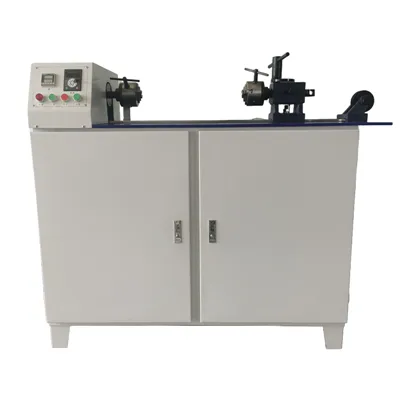
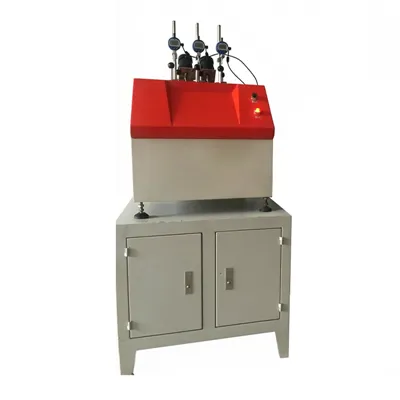
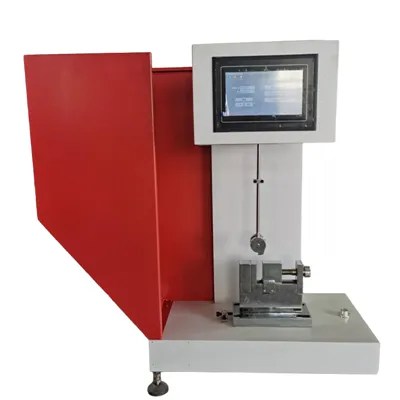
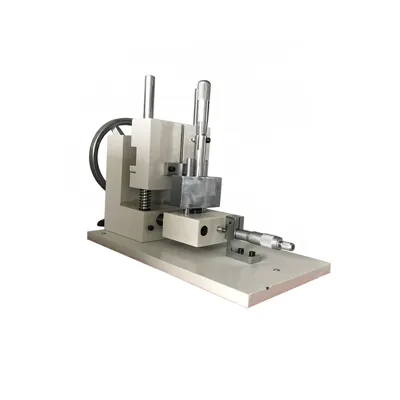
In addition to our Rubber Oil Resistance Testers, we also offer other types of testing equipment, such as the Wire Torsion and Wrapping Testing Machine, Mooney Viskosimeter, and Low Temperature Brittleness Tester. These machines are designed to test the mechanical and physical properties of various materials, including rubber, plastics, metals, and wires.
If you're interested in learning more about our testing equipment or have any questions about testing the oil resistance of rubber gaskets, please don't hesitate to contact us. Our team of experts is always available to help you find the right testing solution for your needs. We can provide you with detailed information about our products, offer technical support, and even arrange for a demonstration of our equipment.
In conclusion, a Rubber Oil Resistance Tester can definitely test the oil resistance of rubber gaskets. These testers provide objective and quantitative data about the performance of the gaskets under specific conditions, which can be used to select the best materials and ensure that they meet the required standards and specifications. If you're in the market for a Rubber Oil Resistance Tester or other testing equipment, we'd love to hear from you. Contact us today to start the conversation!
References
- ASTM D471 - Standard Test Method for Rubber Property - Effect of Liquids
- ISO 1817 - Rubber, Vulcanized or Thermoplastic - Determination of the Effect of Liquids