Hey there! As a supplier of Melt Flow Index (MFI) instruments, I've seen my fair share of issues that users run into. Troubleshooting these instruments can be a bit of a headache, but with the right approach, you can get them back up and running in no time. In this blog, I'll share some common problems you might encounter with an MFI instrument and how to fix them.
Understanding the Basics of an Melt Flow Index Instrument
Before we dive into troubleshooting, let's quickly go over what an MFI instrument does. An MFI instrument measures the flow rate of a thermoplastic polymer under specific conditions of temperature and pressure. It's a crucial tool for quality control in the plastics industry, as it helps determine the processability of the polymer.
Common Problems and Their Solutions
1. Inconsistent Melt Flow Readings
One of the most common issues is getting inconsistent melt flow readings. This can be really frustrating, especially when you're trying to get accurate data for quality control.
Possible Causes and Solutions
- Dirty or Worn Barrel: Over time, the barrel of the MFI instrument can get dirty with polymer residue, or it can wear out. This can affect the flow of the polymer and lead to inconsistent readings. To fix this, you need to clean the barrel regularly. Use a cleaning rod and a suitable solvent to remove any residue. If the barrel is worn out, you might need to replace it.
- Incorrect Temperature Settings: The temperature plays a crucial role in the melt flow process. If the temperature is too high or too low, it can affect the viscosity of the polymer and result in inconsistent readings. Make sure to check the temperature settings and calibrate the instrument if necessary. You can use a calibrated thermometer to verify the temperature inside the barrel.
- Improper Sample Loading: How you load the sample into the barrel can also impact the readings. If the sample is not packed evenly or if there are air bubbles, it can cause variations in the flow. Make sure to follow the proper sample loading procedure. Use a funnel to load the sample slowly and evenly, and tap the barrel gently to remove any air bubbles.
2. Motor or Drive Issues
If the motor or drive of the MFI instrument is not working properly, it can cause problems with the piston movement and affect the melt flow measurement.
Possible Causes and Solutions
- Electrical Problems: Check the power supply and make sure the instrument is properly plugged in. Look for any loose connections or damaged wires. If you find any issues, you might need to call an electrician to fix them.
- Mechanical Wear and Tear: The motor and drive components can wear out over time. Check for any signs of damage, such as worn belts or gears. If you notice any problems, replace the damaged parts. You can usually find replacement parts from the manufacturer or a trusted supplier.
3. Noisy Operation
A noisy MFI instrument can be a sign of a problem. It can also be really annoying, especially in a quiet laboratory environment.
Possible Causes and Solutions
- Loose Parts: Check for any loose screws or bolts on the instrument. Tighten them if necessary. Sometimes, just a loose part can cause a lot of noise.
- Worn Bearings: The bearings in the instrument can wear out over time, causing noise. If you suspect that the bearings are worn, you'll need to replace them. This might require some technical expertise, so you might want to consult the manufacturer or a professional technician.
4. Clogged Nozzle
A clogged nozzle can prevent the polymer from flowing properly and affect the melt flow measurement.
Possible Causes and Solutions
- Polymer Residue: Over time, polymer residue can build up in the nozzle and cause a blockage. To clean the nozzle, you can use a nozzle cleaning tool or a suitable solvent. Make sure to follow the manufacturer's instructions when cleaning the nozzle.
- Foreign Objects: Sometimes, foreign objects can get into the nozzle and cause a clog. Check the nozzle carefully for any foreign objects and remove them if necessary.
Additional Tips for Troubleshooting
- Keep a Maintenance Log: Keeping a maintenance log can help you track the performance of the MFI instrument and identify any recurring issues. Record the date, time, and details of any maintenance or troubleshooting you perform.
- Follow the Manufacturer's Instructions: The manufacturer's instructions are your best guide when it comes to operating and maintaining the MFI instrument. Make sure to read and follow them carefully.
- Train Your Staff: Proper training is essential for operating the MFI instrument correctly. Make sure your staff is trained on how to use the instrument, perform maintenance, and troubleshoot common issues.
Related Testing Equipment
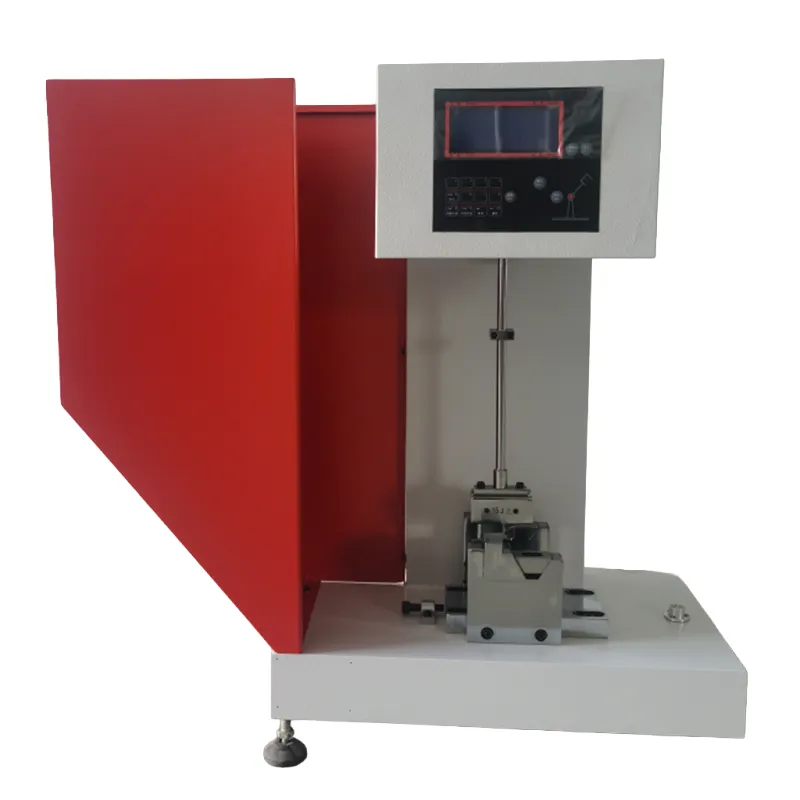
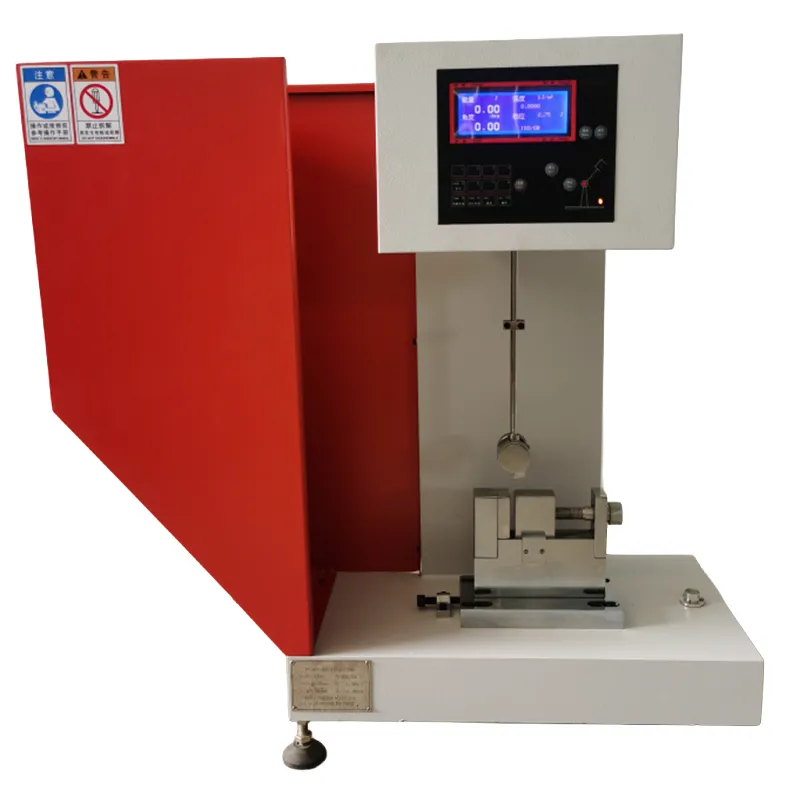
If you're in the market for other testing equipment, we also offer a range of high-quality products. Check out our Low Temperature Test Chamber, Hose Abrasion Tester, and Charpy Pendulum Impact Test Machine. These instruments are designed to meet the highest standards of quality and accuracy.
Contact Us for Purchasing
If you're interested in purchasing an Melt Flow Index Instrument or any of our other testing equipment, don't hesitate to reach out. We're here to help you find the right solution for your needs. Whether you have questions about the product, need technical support, or want to discuss pricing, our team of experts is ready to assist you.
References
- ASTM D1238 - Standard Test Method for Melt Flow Rates of Thermoplastics by Extrusion Plastometer
- ISO 1133 - Plastics - Determination of the melt mass - flow rate (MFR) and melt volume - flow rate (MVR) of thermoplastics