When it comes to the world of testing machines, one of the most frequently asked questions is, "What is the difference between a domestic and an imported testing machine?" As a seasoned supplier in the testing machine industry, I've had the privilege of witnessing firsthand the nuances and characteristics that set these two types of machines apart. In this blog post, I'll delve into the key differences, helping you make an informed decision for your testing needs.
Quality and Precision
One of the primary factors that distinguish domestic and imported testing machines is the level of quality and precision. Imported testing machines are often associated with a reputation for high - end quality and exceptional precision. They are typically manufactured using advanced technologies and adhere to strict international standards. For example, many European and Japanese manufacturers invest heavily in research and development, resulting in machines that can measure with extreme accuracy.
On the other hand, domestic testing machines have made significant strides in recent years. With the development of domestic manufacturing capabilities, many domestic suppliers can now produce machines with comparable precision. However, there may still be some variance in quality control across different domestic manufacturers. Some domestic machines are on par with their imported counterparts, while others may have slight differences in accuracy, especially for highly specialized testing requirements.


Technology and Innovation
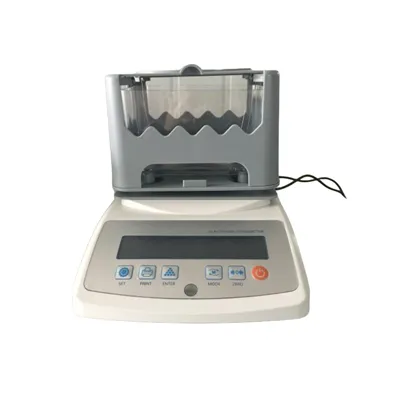
Imported testing machines are often at the forefront of technological innovation. They introduce new features and functions more frequently, leveraging the latest advancements in materials science, electronics, and software. For instance, some imported Electronic Density Meter may come with advanced algorithms for more accurate density measurement, as well as user - friendly interfaces for seamless operation.
Domestic testing machine manufacturers are also catching up quickly. They are increasingly investing in R & D to incorporate new technologies into their products. Some domestic machines now feature innovative designs that improve testing efficiency and reduce the margin of error. However, in general, imported machines may still have an edge in terms of being the first to adopt cutting - edge technologies.
Cost
Cost is a significant consideration for many buyers. Imported testing machines usually come with a higher price tag. This is due to several factors, including the cost of research and development, high - quality materials, and international shipping and import duties. Additionally, the brand value of well - known international manufacturers also contributes to the higher cost.
Domestic testing machines, on the other hand, are often more cost - effective. They offer a more budget - friendly option without sacrificing too much on quality, especially for standard testing applications. For small and medium - sized enterprises or those with limited budgets, domestic testing machines can be a practical choice.
After - Sales Service
The after - sales service is another crucial aspect. Imported testing machines may face challenges in terms of after - sales support. Since they are often manufactured overseas, getting replacement parts or technical support can be time - consuming and expensive. Shipping replacement parts may take weeks, and communication with the overseas manufacturer can sometimes be difficult due to time zone differences and language barriers.
Domestic testing machine suppliers usually provide more prompt and accessible after - sales service. They have local warehouses for spare parts, and their technical support teams can quickly respond to customer inquiries. This can significantly reduce downtime in case of machine breakdowns, which is crucial for maintaining the productivity of testing operations.
Customization
When it comes to customization, both domestic and imported testing machines have their advantages. Imported machines from large international manufacturers may offer a wide range of standard configurations, but customization options may be limited due to their mass - production models. They are often designed to meet general industry needs rather than specific customer requirements.
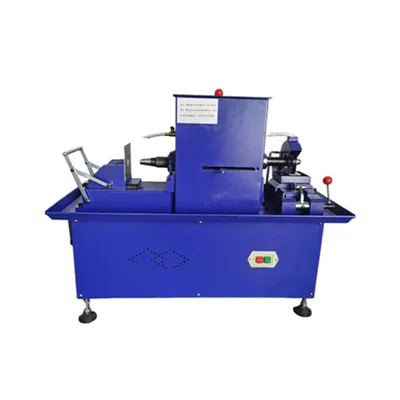
Domestic testing machine suppliers, on the other hand, are more flexible in terms of customization. They can often work closely with customers to develop machines that are tailored to their unique testing needs. For example, if a customer requires a Wire Torsion and Wrapping Testing Machine with specific torque requirements or a Rotary Drum Abrasion Tester with a customized drum size, domestic suppliers are more likely to accommodate these requests.
Brand Reputation
Brand reputation plays an important role in the purchasing decision. Imported testing machines from well - established international brands often carry a strong brand image. They are associated with reliability, high quality, and advanced technology. This can be an important factor for companies that need to demonstrate the credibility of their testing results to clients or regulatory authorities.
Domestic brands are gradually building their reputations. Some domestic suppliers have gained recognition for their high - quality products and excellent customer service. However, they may still face some challenges in competing with well - known international brands, especially in the eyes of customers who are more accustomed to imported products.
Regulatory Compliance
Imported testing machines are typically designed to meet a wide range of international standards and regulations. For example, machines from European manufacturers often comply with CE standards, which ensure the safety, health, and environmental protection requirements of products sold in the European Union. This can be an advantage for companies that need to conduct tests in accordance with international standards.
Domestic testing machines are mainly designed to meet domestic standards. However, many domestic suppliers are now also making efforts to ensure that their machines can meet international standards. This is especially important for companies that export their products or need to conduct tests for international clients.
In conclusion, the choice between a domestic and an imported testing machine depends on various factors, including your budget, testing requirements, after - sales service needs, and brand preferences. If you have a high - end testing requirement and are willing to invest in the latest technology and a well - known brand, an imported testing machine may be the right choice. On the other hand, if you are looking for a cost - effective solution with flexible customization options and prompt after - sales service, a domestic testing machine may be more suitable.
As a testing machine supplier, I understand the importance of helping our customers make the right decision. We offer a wide range of testing machines, both domestic and imported, to meet the diverse needs of our clients. Whether you are looking for a standard testing machine or a customized solution, we are here to assist you. If you have any questions or would like to discuss your testing requirements, please feel free to contact us. We look forward to the opportunity to work with you and provide you with the best testing machine solutions.
References
- "Testing Machine Industry Report", Industry Research Institute
- "Advances in Testing Machine Technology", Journal of Materials Testing
- "Comparison of Domestic and Imported Manufacturing Standards", Manufacturing Review