The construction industry is a complex and dynamic field that requires a high level of precision and quality control. Testing machines play a crucial role in ensuring that construction materials and structures meet the required standards and specifications. As a leading supplier of testing machines, I have witnessed firsthand the importance of these machines in the construction industry. In this blog post, I will discuss the role of testing machines in the construction industry and how they contribute to the success of construction projects.
Quality Control of Construction Materials
One of the primary roles of testing machines in the construction industry is to ensure the quality of construction materials. Construction materials such as concrete, steel, asphalt, and bricks are used in large quantities in construction projects. The quality of these materials can significantly impact the durability and safety of the structures. Testing machines are used to evaluate the physical and mechanical properties of these materials, such as strength, density, and durability.
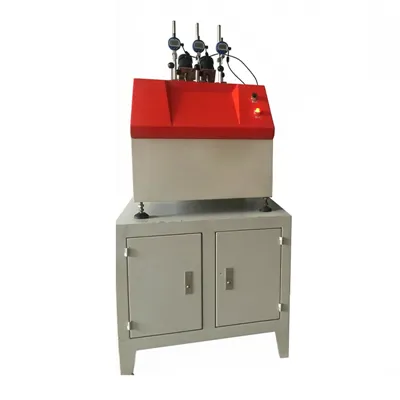
For example, a Hdt Vicat Tester is used to determine the heat deflection temperature and Vicat softening temperature of plastics and other materials. These properties are important for ensuring that the materials can withstand the temperature and stress conditions in the construction environment. Similarly, a Ring Stiffness Tester is used to measure the ring stiffness of pipes, which is a critical property for ensuring the structural integrity of underground pipelines.
Structural Integrity Testing
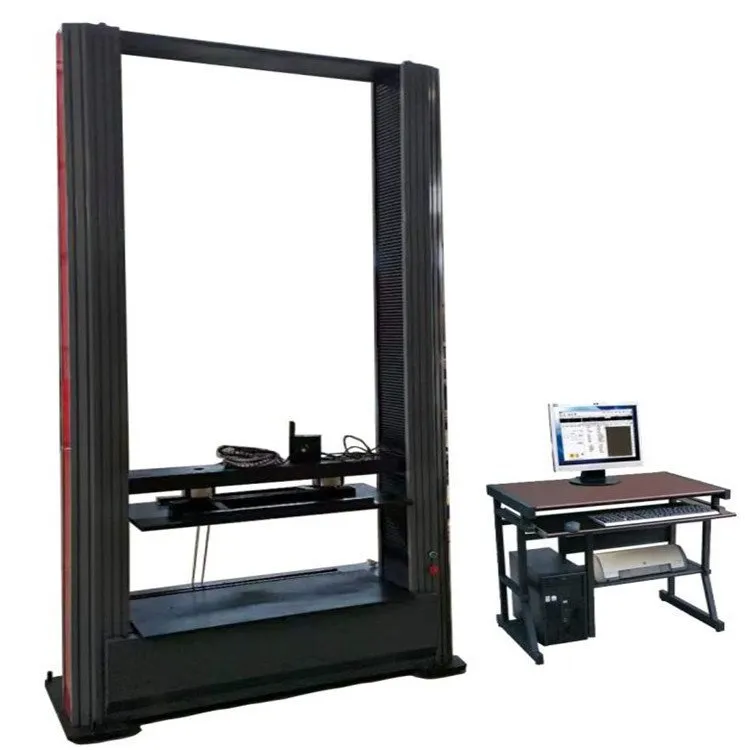
Testing machines are also used to evaluate the structural integrity of buildings and other structures. Structural testing is essential for ensuring that the structures can withstand the loads and stresses they will be subjected to during their service life. Testing machines can be used to perform a variety of tests, such as load testing, fatigue testing, and non-destructive testing.
Load testing is used to determine the maximum load that a structure can withstand before it fails. This test is typically performed on bridges, buildings, and other large structures. Fatigue testing is used to evaluate the ability of a structure to withstand repeated loading over time. This test is important for structures that are subjected to cyclic loads, such as bridges and wind turbines. Non-destructive testing is used to detect defects and flaws in a structure without causing damage to the structure. This test is typically performed on welds, castings, and other components of a structure.
Compliance with Standards and Regulations
The construction industry is subject to a wide range of standards and regulations that are designed to ensure the safety and quality of construction projects. Testing machines are used to ensure that construction materials and structures comply with these standards and regulations. For example, the American Society for Testing and Materials (ASTM) has developed a series of standards for testing construction materials and structures. These standards specify the test methods, procedures, and acceptance criteria for various types of construction materials and structures.
Testing machines are also used to ensure compliance with local building codes and regulations. Building codes and regulations are designed to protect the public from the hazards associated with construction projects. Testing machines can be used to verify that the construction materials and structures meet the requirements of these codes and regulations.
Research and Development
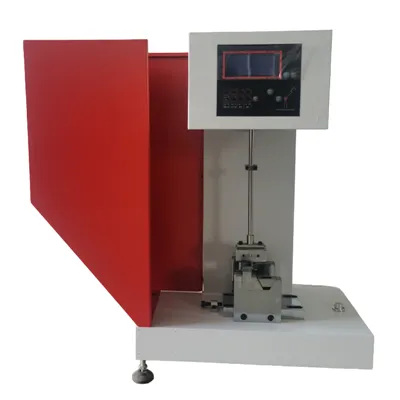
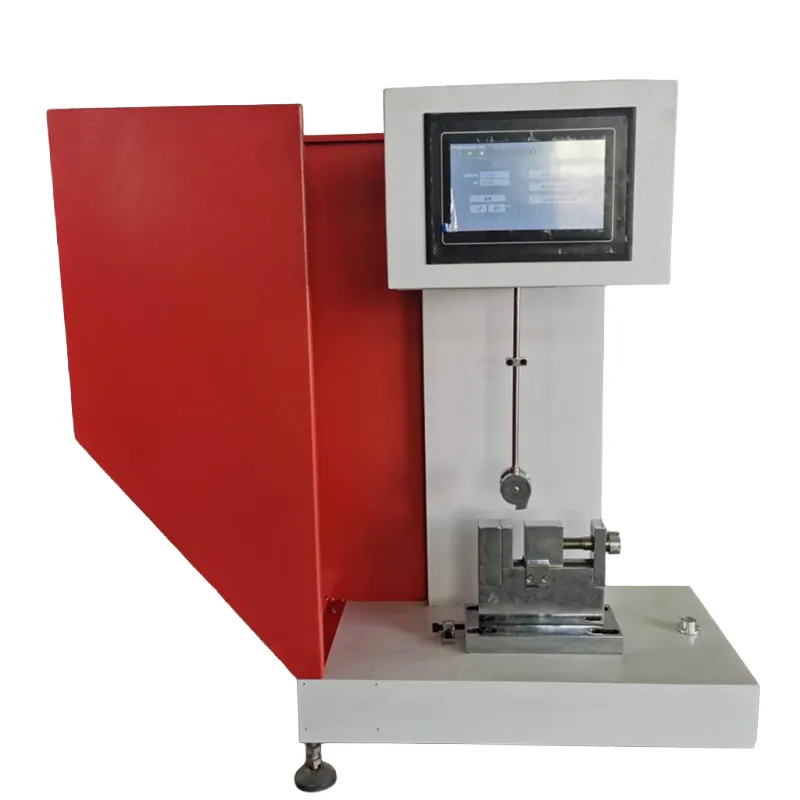
Testing machines are also used in research and development in the construction industry. Researchers use testing machines to study the properties of new construction materials and to develop new construction techniques. For example, researchers may use a Izod Impact Machine to study the impact resistance of new materials. This information can be used to develop new materials that are more durable and resistant to impact.
Testing machines are also used to evaluate the performance of existing construction materials and structures. This information can be used to improve the design and construction of future projects. For example, researchers may use testing machines to study the behavior of existing bridges under different loading conditions. This information can be used to develop new design guidelines for bridges.
Cost Savings
Testing machines can also help to save costs in the construction industry. By ensuring the quality of construction materials and structures, testing machines can help to prevent costly repairs and replacements. For example, if a construction material fails to meet the required standards, it may need to be replaced, which can be expensive. By using testing machines to evaluate the quality of construction materials before they are used in a project, the risk of failure can be reduced, and the cost of repairs and replacements can be minimized.
Testing machines can also help to improve the efficiency of construction projects. By providing accurate and reliable test results, testing machines can help to ensure that construction projects are completed on time and within budget. For example, if a testing machine can quickly and accurately evaluate the strength of a concrete sample, the construction team can make informed decisions about the use of the concrete in the project. This can help to reduce the time and cost associated with the project.
Conclusion
In conclusion, testing machines play a crucial role in the construction industry. They are used to ensure the quality of construction materials, evaluate the structural integrity of buildings and other structures, comply with standards and regulations, conduct research and development, and save costs. As a supplier of testing machines, I am committed to providing high-quality testing machines that meet the needs of the construction industry. If you are interested in learning more about our testing machines or would like to discuss your testing needs, please contact us. We look forward to working with you to ensure the success of your construction projects.
References
- ASTM International. (n.d.). Standards for construction materials and structures. Retrieved from [ASTM website]
- Construction Industry Research and Information Association (CIRIA). (n.d.). Testing and quality control in construction. Retrieved from [CIRIA website]
- National Institute of Standards and Technology (NIST). (n.d.). Building and fire research. Retrieved from [NIST website]