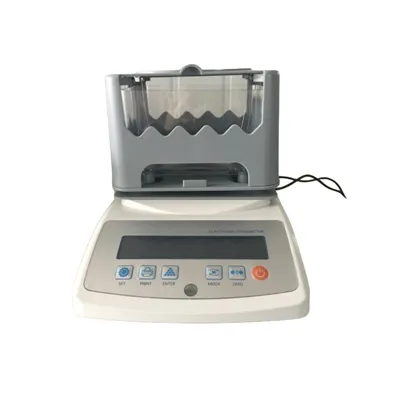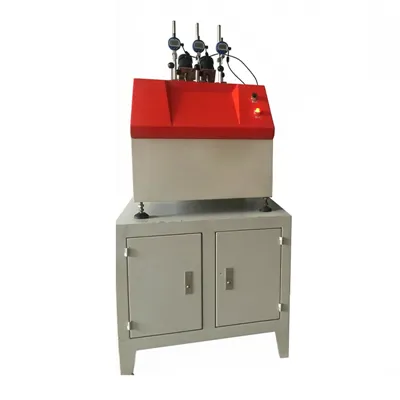
Ensuring the reliability of a Resin Moisture Analyzer is of utmost importance for both suppliers and users. As a supplier of Resin Moisture Analyzers, I understand the critical role that these devices play in various industries, from plastics manufacturing to food processing. In this blog post, I will share some insights on how to ensure the reliability of a Resin Moisture Analyzer.
1. Quality Manufacturing and Calibration
The foundation of a reliable Resin Moisture Analyzer lies in its manufacturing process. At our company, we adhere to strict quality control standards during the production of these analyzers. We use high - quality components that are resistant to wear and tear, ensuring a long - lasting and stable performance.
Calibration is another crucial aspect. A properly calibrated Resin Moisture Analyzer provides accurate and consistent results. We calibrate our analyzers using certified reference materials. For example, we use resin samples with known moisture content to adjust the analyzer's settings. Regular calibration checks are also recommended for users. It is advisable to calibrate the analyzer at least once a month, depending on the frequency of use. This helps to maintain the accuracy of the moisture measurements over time.
2. Environmental Considerations
The environment in which the Resin Moisture Analyzer operates can significantly affect its reliability. Temperature and humidity are two key factors. Extreme temperatures can cause the internal components of the analyzer to expand or contract, leading to inaccurate readings. Similarly, high humidity can introduce moisture into the analyzer, interfering with the measurement process.
We recommend that users place the Resin Moisture Analyzer in a controlled environment. A temperature range of 20 - 25 degrees Celsius and a relative humidity of 40 - 60% is ideal. If the analyzer is used in an industrial setting where environmental conditions are difficult to control, additional measures such as using a temperature - controlled enclosure or a dehumidifier can be taken.
3. Operator Training
The reliability of a Resin Moisture Analyzer also depends on the skill and knowledge of the operator. Proper training is essential to ensure that the analyzer is used correctly. We provide comprehensive training programs for our customers. These programs cover topics such as instrument operation, sample preparation, and maintenance.
During the training, operators learn how to load samples properly into the analyzer. Incorrect sample loading can lead to inconsistent results. For example, if the sample is not evenly distributed in the sample pan, the moisture measurement may be inaccurate. Operators are also taught how to interpret the results correctly and how to troubleshoot common problems.
4. Regular Maintenance
Regular maintenance is vital for the long - term reliability of a Resin Moisture Analyzer. We recommend that users follow a maintenance schedule. This includes cleaning the analyzer regularly. Dust and debris can accumulate on the internal components, affecting the performance of the analyzer. The sample pan should be cleaned after each use to prevent cross - contamination between samples.
The heating element, which is used to evaporate the moisture from the resin sample, should also be inspected regularly. Over time, the heating element may wear out or become damaged. If this happens, it should be replaced promptly to ensure accurate moisture measurements.
5. Compatibility with Other Testing Equipment
In many industries, the Resin Moisture Analyzer is used in conjunction with other testing equipment. Ensuring compatibility between the Resin Moisture Analyzer and other devices is important for reliable results. For example, if the Resin Moisture Analyzer is used in a production line where other quality control tests are being conducted, it should be able to communicate effectively with the other equipment.
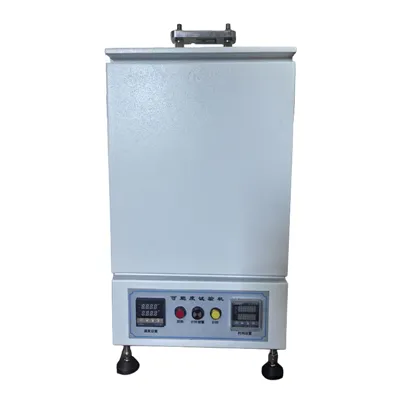
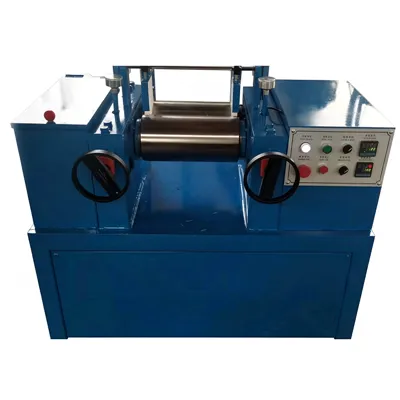
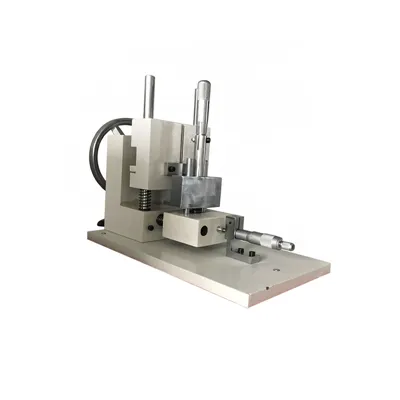
We offer Resin Moisture Analyzers that are designed to be compatible with a wide range of testing equipment. For instance, our analyzers can be integrated with Plasticity Tester, Rotary Drum Abrasion Tester, and Tensile Pull Test Machine. This allows for seamless data transfer and a more comprehensive quality control process.
6. Data Management and Analysis
Accurate data management and analysis are essential for ensuring the reliability of a Resin Moisture Analyzer. Our analyzers are equipped with advanced data logging capabilities. Users can store and analyze the moisture measurement data over time. This helps to identify trends and patterns, which can be used to improve the production process.
For example, if the moisture content of the resin samples shows a consistent increase over a period of time, it may indicate a problem in the raw material supply or the production process. By analyzing the data, users can take corrective actions to ensure the quality of the final product.
7. Technical Support
As a supplier, we understand that users may encounter problems with the Resin Moisture Analyzer from time to time. That's why we offer comprehensive technical support. Our team of experts is available to answer any questions that users may have, whether it's about the operation of the analyzer, troubleshooting, or maintenance.


We also provide software updates for our Resin Moisture Analyzers. These updates can improve the performance of the analyzer, add new features, and enhance the reliability of the device.
Conclusion
Ensuring the reliability of a Resin Moisture Analyzer requires a combination of factors, including quality manufacturing, proper calibration, environmental control, operator training, regular maintenance, compatibility with other equipment, data management, and technical support. As a supplier, we are committed to providing high - quality Resin Moisture Analyzers and comprehensive support to our customers.
If you are in the market for a reliable Resin Moisture Analyzer, we invite you to contact us for a detailed discussion about your specific needs. Our team of experts will be happy to assist you in selecting the right analyzer for your application and provide you with all the necessary information to ensure its reliable operation.
References
- ASTM D4926 - Standard Test Methods for Carbon Black in Olefin Plastics by Instrumental Analysis
- ISO 15512:2008 - Plastics — Determination of water content