Rubber slicing machines play a crucial role in various industries where rubber products are used. These machines are designed to cut rubber materials into precise slices, which are then used for further processing or manufacturing. One interesting aspect to explore is how a rubber slicing machine works with different rubber colors. In this blog, as a supplier of rubber slicing machines, I will delve into the details of this process, highlighting the key factors and mechanisms involved.
Understanding the Basics of Rubber Slicing Machines
Before we discuss how these machines handle different rubber colors, let's first understand the basic working principle of a rubber slicing machine. A typical rubber slicing machine consists of a cutting blade, a feeding mechanism, and a control system. The rubber material is fed into the machine through the feeding mechanism, which moves the rubber towards the cutting blade. The cutting blade then slices the rubber into the desired thickness.
The control system of the machine allows operators to adjust various parameters such as the cutting speed, the thickness of the slices, and the feeding rate. This ensures that the machine can produce slices of consistent quality and accuracy.
Impact of Rubber Color on the Slicing Process
Rubber comes in a wide range of colors, which are achieved by adding different pigments or dyes during the manufacturing process. The color of the rubber can have several impacts on the slicing process:
1. Material Properties
Different colors of rubber may have slightly different material properties. For example, some pigments may affect the hardness, elasticity, or viscosity of the rubber. These differences can influence how the rubber behaves during the slicing process. Softer rubbers may require a slower cutting speed to prevent the material from deforming or tearing, while harder rubbers may need a sharper blade and a higher cutting force.

2. Visibility and Alignment
The color of the rubber can also affect the visibility of the cutting process. Dark - colored rubbers may be more difficult to see during slicing, which can make it challenging to ensure accurate alignment of the cutting blade. In contrast, light - colored rubbers are generally easier to observe, allowing operators to make more precise adjustments.
3. Heat Generation
Some pigments used in rubber coloring may have different thermal properties. During the slicing process, friction between the cutting blade and the rubber generates heat. If the pigment has poor heat dissipation properties, it may cause the rubber to overheat, leading to changes in its material properties and potentially affecting the quality of the slices.
Working with Different Rubber Colors
Pre - processing
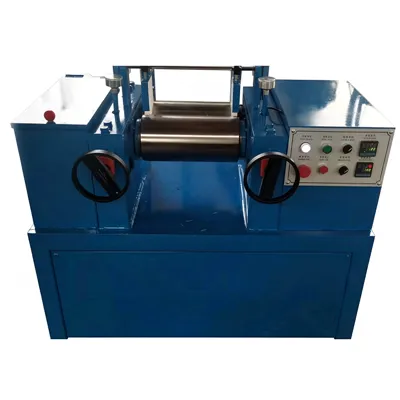
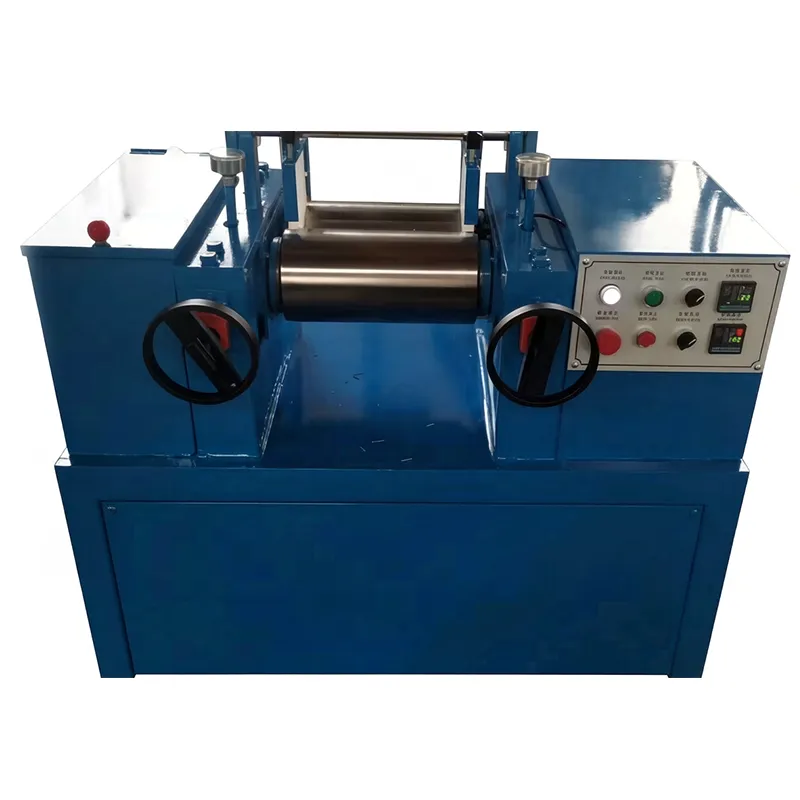
Before slicing rubber of different colors, it is essential to perform pre - processing steps. This may include conditioning the rubber to ensure consistent material properties. For example, using a Lab Two Roll Mill can help to homogenize the rubber, regardless of its color. The two - roll mill can mix the rubber thoroughly, ensuring that any differences in material properties due to the color are minimized.
Blade Selection
The choice of cutting blade is crucial when working with different rubber colors. For softer rubbers, a blade with a sharper edge may be required to achieve clean cuts. On the other hand, harder rubbers may need a more robust blade that can withstand the higher cutting forces. The blade material should also be selected based on the specific requirements of the rubber. For example, some rubbers may be more abrasive, and a blade made of a harder material such as carbide may be more suitable.
Adjusting Machine Parameters
The control system of the rubber slicing machine allows operators to adjust various parameters according to the color and properties of the rubber. For dark - colored rubbers, the lighting in the working area may need to be improved to enhance visibility. The cutting speed and feeding rate may also need to be adjusted based on the hardness and elasticity of the rubber. For example, if the rubber is particularly soft, a slower feeding rate and a lower cutting speed may be necessary to prevent the material from being pushed out of shape.
Quality Control
Regardless of the rubber color, quality control is an essential part of the slicing process. After slicing, the slices should be inspected for thickness, surface finish, and any signs of damage. A Double - head Slicer can provide more consistent and accurate slicing, which is beneficial for quality control. Additionally, using a Constant Temperature Bath for Laboratory Use can help to maintain a stable temperature during the inspection process, ensuring that the rubber properties remain consistent.
Case Studies
Let's consider a few case studies to illustrate how a rubber slicing machine works with different rubber colors:
Case 1: Light - colored and Soft Rubber
A manufacturer is slicing light - colored, soft rubber for use in medical devices. The rubber has a low hardness and high elasticity. To achieve clean cuts, the operator selects a sharp blade and sets a relatively slow cutting speed and feeding rate. The light color of the rubber makes it easy to observe the cutting process, allowing for precise adjustments. After slicing, the slices are inspected for thickness and surface quality, and the results meet the required standards.
Case 2: Dark - colored and Hard Rubber
Another manufacturer is working with dark - colored, hard rubber for automotive applications. The rubber contains abrasive particles, which require a carbide blade. The operator increases the cutting force and adjusts the cutting speed to ensure efficient slicing. Due to the dark color, additional lighting is installed to improve visibility. Quality control measures are strictly implemented to ensure that the slices have the correct dimensions and surface finish.
Conclusion
In conclusion, a rubber slicing machine can work effectively with different rubber colors, but it requires careful consideration of various factors. The color of the rubber can impact the material properties, visibility, and heat generation during the slicing process. By performing pre - processing steps, selecting the appropriate blade, adjusting machine parameters, and implementing quality control measures, manufacturers can achieve high - quality slices regardless of the rubber color.
If you are in the market for a reliable rubber slicing machine or have any questions about how these machines work with different rubber colors, please feel free to contact us. We are a leading supplier of rubber slicing machines and can provide you with professional advice and high - quality products.
References
- ASTM D3182 - Standard Practice for Rubber - Materials, Equipment, and Procedures for Mixing Standard Compounds and Preparing Standard Vulcanized Sheets.
- ISO 23529 - Rubber - General procedures for preparing and conditioning test pieces.