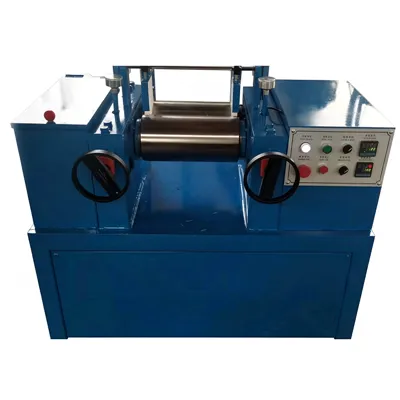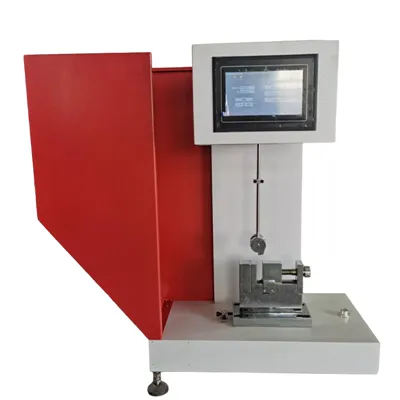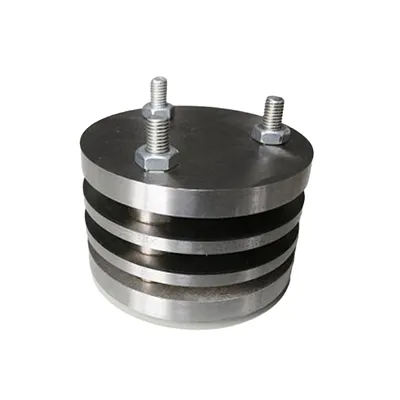
Transporting a rubber testing machine can be a tricky business. As a supplier of these machines, I've seen firsthand the challenges that come with getting these delicate and often hefty pieces of equipment from point A to point B. In this blog, I'll share some tips and insights on how to transport a rubber testing machine safely and efficiently.
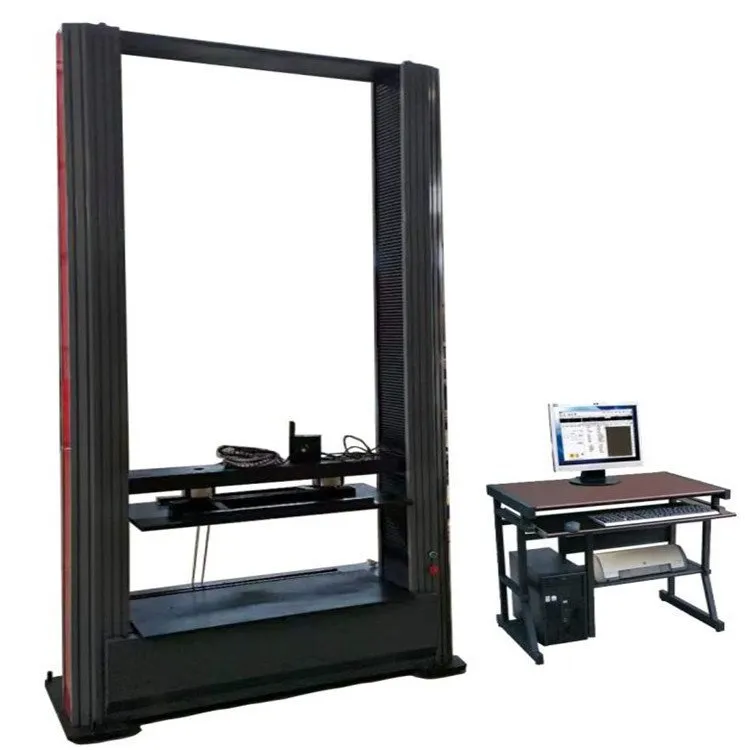

Understanding the Machine
Before you even start thinking about transportation, it's crucial to understand the machine you're dealing with. Rubber testing machines come in all shapes and sizes, from small handheld devices to large, floor - standing units. Each type has its own unique features and requirements.
For example, a Mooney Viskosimeter is a specialized piece of equipment used to measure the viscosity of rubber compounds. It's usually a relatively large and heavy machine with precision components. On the other hand, a Rubber Resiliency Tester might be smaller and more portable, but it still requires careful handling due to its sensitive sensors.
Pre - Transport Preparation
- Inspection:
First things first, give the machine a thorough inspection. Check for any loose parts, damage, or signs of wear and tear. If you find any issues, fix them before transportation. This will not only prevent further damage during transit but also ensure that the machine is in good working condition when it reaches its destination. - Documentation:
Gather all the necessary documentation related to the machine. This includes the user manual, warranty information, and any calibration certificates. Make copies of these documents and keep them in a separate, secure location. You may need them during the transportation process or when the machine is installed at the new site. - Cleaning:
Clean the machine to remove any dirt, debris, or rubber residue. This will not only make the machine look better but also prevent any contaminants from causing problems during transportation. Use a mild cleaning solution and a soft cloth to wipe down the exterior of the machine. - Disassembly (if necessary):
Some rubber testing machines can be disassembled into smaller parts for easier transportation. If your machine falls into this category, follow the manufacturer's instructions for disassembly. Make sure to label all the parts clearly so that they can be easily reassembled at the destination.
Packaging
- Selecting the Right Packaging Materials:
The right packaging materials are essential for protecting the machine during transportation. For smaller machines, a sturdy cardboard box with plenty of cushioning material such as bubble wrap or foam peanuts can do the trick. For larger machines, you may need to use a custom - made wooden crate.
The wooden crate should be strong enough to withstand the rigors of transportation. It should also be lined with shock - absorbing materials to protect the machine from vibrations and impacts. - Cushioning:
Place the machine in the center of the packaging and surround it with cushioning material. Make sure there is enough cushioning to prevent the machine from moving around inside the package. Pay special attention to any delicate components, such as sensors or control panels, and provide extra cushioning for them. - Sealing the Package:
Once the machine is properly cushioned, seal the package securely. Use strong tape or straps to close the box or crate. Make sure the package is well - sealed to prevent any moisture or dust from getting inside.
Choosing a Transportation Method
- Freight Shipping:
For larger rubber testing machines, freight shipping is often the best option. There are different types of freight shipping, including less - than - truckload (LTL) and full - truckload (FTL).
LTL shipping is suitable for smaller machines or when you don't need to fill an entire truck. It's usually more cost - effective, but it may take longer for the machine to reach its destination. FTL shipping is faster and more reliable, but it's also more expensive.
When choosing a freight shipping company, look for one with experience in transporting heavy and delicate equipment. Check their reviews and ask for references. - Courier Services:
For smaller, lightweight rubber testing machines, courier services can be a convenient option. Courier services offer fast delivery and tracking options. However, they may have weight and size restrictions, so make sure to check with the courier company before sending the machine.
During Transportation
- Tracking:
Once the machine is on its way, keep track of its progress. Most shipping companies provide tracking numbers that you can use to monitor the location of the package. This will give you peace of mind and allow you to anticipate any delays. - Communication:
Stay in touch with the shipping company and the recipient. If there are any issues or delays during transportation, make sure to communicate them promptly. This will help to minimize any disruptions and ensure a smooth delivery.
Post - Transport Installation
- Reassembly:
If the machine was disassembled for transportation, follow the manufacturer's instructions for reassembly. Make sure all the parts are properly connected and tightened. - Calibration:
After reassembly, the machine may need to be calibrated. This is an important step to ensure accurate test results. Follow the calibration procedures outlined in the user manual or have a professional technician perform the calibration. - Testing:
Once the machine is reassembled and calibrated, conduct a series of tests to make sure it's working properly. Test the machine with different rubber samples to ensure that it can accurately measure the properties of the rubber.
Conclusion
Transporting a rubber testing machine requires careful planning and attention to detail. By following the steps outlined in this blog, you can ensure that your machine arrives at its destination safely and in good working condition.
If you're in the market for a rubber testing machine or have any questions about transportation, feel free to reach out. We're here to help you with all your rubber testing needs, whether it's a Mooney Viskosimeter, a Ring Stiffness Tester, or a Rubber Resiliency Tester. Let's have a chat and see how we can assist you in getting the right equipment for your business.
References
- Manufacturer's user manuals for rubber testing machines
- Industry best practices for transporting heavy and delicate equipment
- Shipping company guidelines and regulations