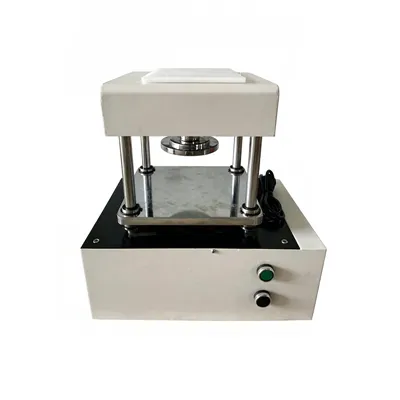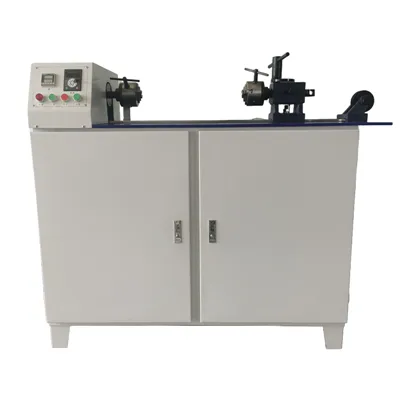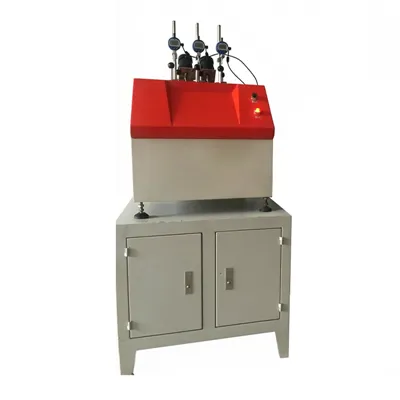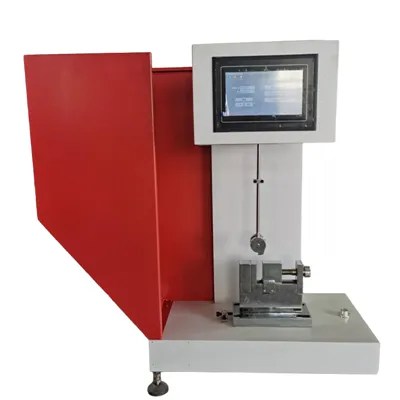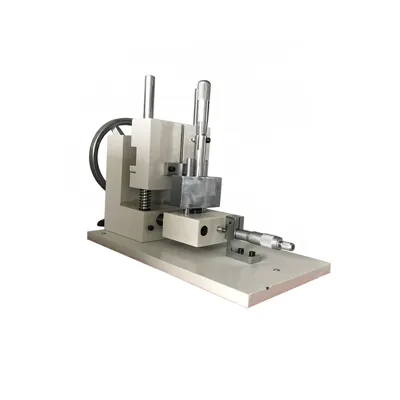
In the dynamic and ever - evolving medical device industry, precision and reliability are non - negotiable. One tool that often flies under the radar but plays a crucial role is the Plasticity Tester. As a supplier of Plasticity Testers, I've seen firsthand how these devices contribute to the development, production, and quality control of medical devices.
Understanding Plasticity Testing
Let's start with the basics. Plasticity refers to a material's ability to undergo permanent deformation without breaking. In the medical device industry, many materials, such as polymers, elastomers, and plastics, are used. These materials need to have the right level of plasticity. For example, a catheter needs to be flexible enough to navigate through the human body's blood vessels without kinking, but it also has to maintain its shape once in place. That's where a Plasticity Tester comes in.
A Plasticity Tester measures the plastic properties of a material. It can determine how much force is required to deform a material and to what extent it can be deformed before it fails. This information is vital for medical device manufacturers. They need to ensure that the materials they use meet the specific requirements of their products. If a material is too rigid, it might cause discomfort or even damage to the patient. On the other hand, if it's too pliable, the device might not function as intended.
Quality Control
Quality control is a cornerstone of the medical device industry. Regulatory bodies like the FDA in the United States and the EU's Medical Device Regulation (MDR) have strict requirements for the safety and efficacy of medical devices. Plasticity Testers are an essential part of the quality control process.
During the production of medical devices, manufacturers need to test samples of the materials regularly. By using a Plasticity Tester, they can verify that the materials' plastic properties are within the specified range. If there are any deviations, adjustments can be made to the manufacturing process. This helps to prevent the production of defective devices, which could have serious consequences for patients.
For instance, in the production of silicone - based medical implants, a Plasticity Tester can be used to ensure that the silicone has the right level of flexibility and resilience. If the silicone is too hard, it might cause pain or irritation to the patient. If it's too soft, the implant might not maintain its shape, leading to complications.
Research and Development
The medical device industry is constantly innovating. New materials and designs are being developed to improve patient outcomes. Plasticity Testers play a significant role in the research and development phase.
When researchers are exploring new materials for medical devices, they need to understand their plastic properties. A Plasticity Tester can provide valuable data that helps in the selection of the most suitable materials. For example, if a team is working on a new type of wound dressing, they need to find a material that can conform to the shape of the wound without tearing. By testing different materials with a Plasticity Tester, they can identify the ones that meet these requirements.
Moreover, Plasticity Testers can also be used to optimize the design of medical devices. By understanding how different parts of a device will deform under stress, designers can make adjustments to improve its performance. This could involve changing the thickness of a material or modifying the shape of a component.
Compatibility with Other Testing Equipment
In the medical device industry, Plasticity Testers often work in tandem with other testing equipment. For example, an Electronic Density Meter can be used to measure the density of a material, which is also an important parameter. The density of a material can affect its plasticity, and vice versa. By combining the data from a Plasticity Tester and an Electronic Density Meter, manufacturers can get a more comprehensive understanding of the material's properties.
Another piece of equipment that can be used in conjunction with a Plasticity Tester is a Rubber Resiliency Tester. Many medical devices use rubber or elastomeric materials. A Rubber Resiliency Tester measures the ability of a rubber material to return to its original shape after being deformed. This property is closely related to plasticity, and testing both can help in ensuring the quality and performance of rubber - based medical devices.
A Mooney Viskosimeter is also a useful tool. It measures the viscosity of rubber compounds. Viscosity can influence the plasticity of a rubber material. By using a Mooney Viskosimeter along with a Plasticity Tester, manufacturers can better control the properties of rubber - based medical devices.
Our Role as a Supplier
As a Plasticity Tester supplier, we understand the unique needs of the medical device industry. Our testers are designed to be accurate, reliable, and easy to use. We offer a range of models to suit different applications and budgets.
We also provide excellent customer support. Our team of experts is available to help customers choose the right Plasticity Tester for their needs. We can offer training on how to use the equipment and provide technical assistance if any issues arise.
In addition, we are constantly working on improving our products. We stay up - to - date with the latest technological advancements and regulatory requirements in the medical device industry. This allows us to provide our customers with the most advanced and compliant Plasticity Testers.
Why You Should Consider Us
If you're in the medical device industry and are looking for a Plasticity Tester, there are several reasons why you should consider us. First, our testers are built to high standards. We use the best materials and manufacturing processes to ensure the accuracy and durability of our products.
Second, we offer competitive pricing. We understand that cost is an important factor for many medical device manufacturers, especially those in the startup or small - to - medium - sized enterprise category. We strive to provide high - quality testers at a reasonable price.
Finally, our after - sales service is second to none. We are committed to ensuring that our customers are satisfied with their purchase. Whether you need help with installation, calibration, or troubleshooting, our team is here to assist you.


Contact Us for Purchase and Negotiation
If you're interested in learning more about our Plasticity Testers or would like to discuss a potential purchase, we'd love to hear from you. Our team is ready to answer your questions, provide detailed product information, and engage in negotiation. Don't hesitate to reach out and take the first step towards enhancing the quality and performance of your medical devices with our top - notch Plasticity Testers.
References
- ASTM International. (20XX). Standard test methods for plasticity of polymers.
- ISO. (20XX). International standards for testing the plastic properties of materials in the medical device industry.
- Medical Device Innovation Consortium. (20XX). Research on the importance of material testing in medical device development.