Can an Izod Impact Machine be used for testing plastics?
As a supplier of Izod Impact Machines, I often receive inquiries about the application of our machines, especially regarding their suitability for testing plastics. In this blog post, I will delve into the topic and explore whether an Izod Impact Machine can indeed be used for testing plastics.
Understanding the Izod Impact Test
The Izod impact test is a widely used method for evaluating the impact resistance of materials, including plastics. It measures the energy required to break a notched specimen by striking it with a pendulum. The test is named after Edwin Gilbert Izod, an English engineer who developed the test in the early 20th century.
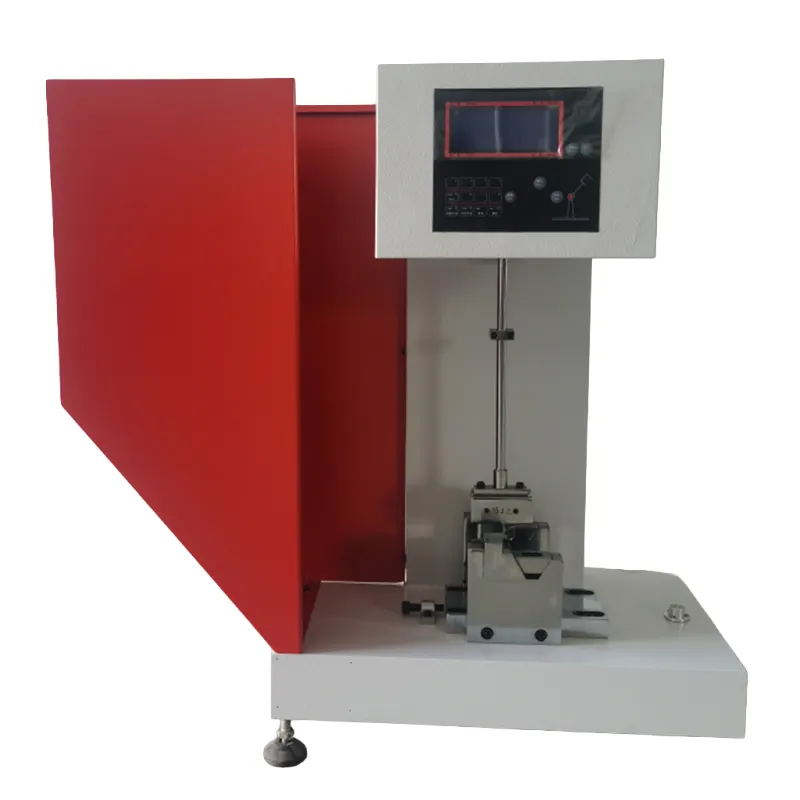
The Izod impact test is conducted by placing a notched specimen in a vise and striking it with a pendulum. The energy absorbed by the specimen during the impact is measured, and this value is used to determine the impact strength of the material. The test is typically performed at a specific temperature and with a specific pendulum weight and velocity.
Why Test Plastics?
Plastics are used in a wide range of applications, from consumer products to industrial components. The impact resistance of plastics is an important property that can affect their performance and durability. Testing plastics using an Izod Impact Machine can provide valuable information about their ability to withstand impact and resist fracture.
For example, in the automotive industry, plastics are used in various components such as bumpers, dashboards, and interior trim. These components need to be able to withstand impact forces in the event of a collision. By testing the impact resistance of plastics, manufacturers can ensure that their products meet the required safety standards.
In the packaging industry, plastics are used to protect products during transportation and storage. The impact resistance of plastics can determine whether the packaging will be able to withstand the rigors of handling and shipping. By testing the impact resistance of plastics, manufacturers can select the most suitable materials for their packaging applications.
Using an Izod Impact Machine for Plastic Testing
An Izod Impact Machine can be used to test a variety of plastics, including thermoplastics, thermosets, and elastomers. The test can be performed on different types of specimens, such as bars, sheets, and molded parts.
To perform the Izod impact test on plastics, the specimen is first notched using a special tool. The notched specimen is then placed in the vise of the Izod Impact Machine, and the pendulum is released to strike the specimen. The energy absorbed by the specimen during the impact is measured, and this value is used to calculate the impact strength of the plastic.
The results of the Izod impact test can provide valuable information about the impact resistance of plastics. For example, a high impact strength value indicates that the plastic is able to withstand a large amount of energy before breaking. On the other hand, a low impact strength value indicates that the plastic is more likely to fracture under impact.
Factors Affecting the Izod Impact Test Results
Several factors can affect the results of the Izod impact test on plastics. These factors include the type of plastic, the specimen geometry, the testing temperature, and the testing speed.
The type of plastic can have a significant impact on the impact strength. Different plastics have different molecular structures and properties, which can affect their ability to withstand impact. For example, thermoplastics are generally more ductile than thermosets, which means they are able to absorb more energy before breaking.
The specimen geometry can also affect the impact strength. The size and shape of the specimen can influence the stress distribution during the impact, which can affect the energy absorption and fracture behavior of the plastic. For example, a specimen with a larger cross-sectional area may be able to absorb more energy than a specimen with a smaller cross-sectional area.
The testing temperature can also have a significant impact on the impact strength. Plastics are generally more brittle at lower temperatures, which means they are more likely to fracture under impact. Therefore, it is important to perform the Izod impact test at the appropriate temperature for the plastic being tested.
The testing speed can also affect the impact strength. The impact strength of plastics can vary depending on the speed at which the impact occurs. For example, a plastic may have a higher impact strength at a lower testing speed than at a higher testing speed.
Other Testing Methods for Plastics
In addition to the Izod impact test, there are other testing methods that can be used to evaluate the impact resistance of plastics. These methods include the Charpy impact test, the drop weight test, and the tensile impact test.
The Charpy impact test is similar to the Izod impact test, but it uses a different specimen geometry and testing procedure. The Charpy impact test measures the energy required to break a notched specimen by striking it with a pendulum. The test is typically performed at a specific temperature and with a specific pendulum weight and velocity. You can learn more about the Charpy Pendulum Impact Test Machine.
The drop weight test involves dropping a weight onto a specimen from a specific height. The energy absorbed by the specimen during the impact is measured, and this value is used to determine the impact strength of the plastic. The drop weight test is often used to evaluate the impact resistance of thick plastics and composites.
The tensile impact test measures the energy required to break a specimen under tensile loading. The test is typically performed using a special testing machine that applies a high-speed tensile load to the specimen. The tensile impact test is often used to evaluate the impact resistance of plastics that are subjected to tensile forces in service.
Conclusion
In conclusion, an Izod Impact Machine can be used for testing plastics. The Izod impact test is a widely used method for evaluating the impact resistance of materials, including plastics. By testing the impact resistance of plastics using an Izod Impact Machine, manufacturers can ensure that their products meet the required safety standards and performance requirements.
However, it is important to note that the results of the Izod impact test can be affected by several factors, including the type of plastic, the specimen geometry, the testing temperature, and the testing speed. Therefore, it is important to perform the test under the appropriate conditions and to interpret the results carefully.
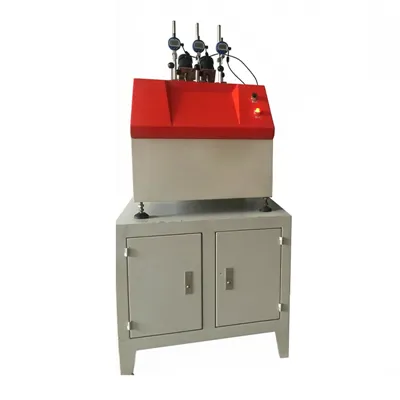
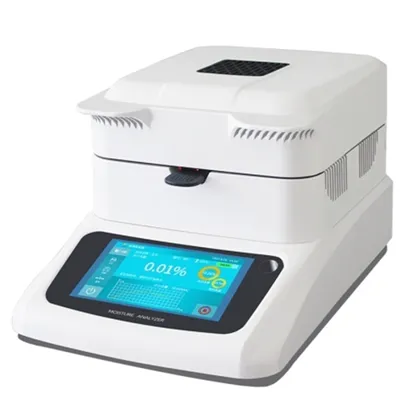
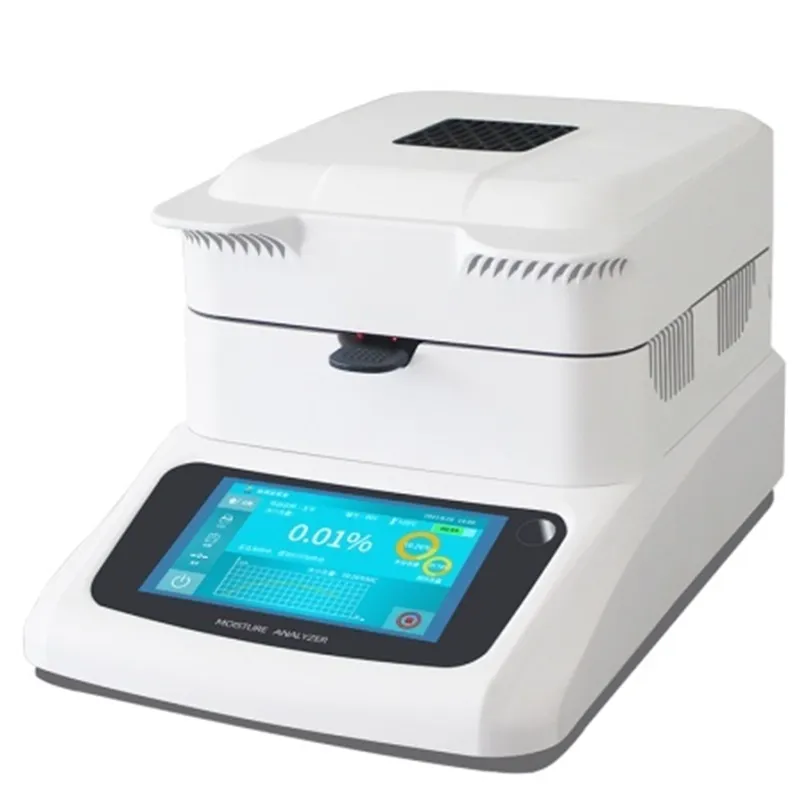
If you are interested in purchasing an Izod Impact Machine or other testing equipment for plastics, please feel free to contact us. We are a leading supplier of testing machines and can provide you with high-quality products and excellent customer service. We also offer a range of other testing equipment, such as Resin Moisture Analyzer and Hdt Vicat Tester.
References
- ASTM D256 - Standard Test Methods for Determining the Izod Pendulum Impact Resistance of Plastics.
- ISO 180 - Plastics - Determination of Izod Impact Strength.
- "Plastics Testing Handbook" by James F. Carley.