Can a Sonic Tester Thickness be used in underwater applications?
Hey there! I'm a supplier of Sonic Tester Thickness, and I often get asked if these nifty devices can be used underwater. Well, let's dive right into it and find out!
First off, let's understand what a Sonic Tester Thickness is all about. It's a tool that uses ultrasonic waves to measure the thickness of materials. The basic principle is that the ultrasonic waves are sent through the material, and by measuring the time it takes for the waves to bounce back, we can calculate the thickness.
Now, when it comes to underwater applications, there are a few things to consider. Water is a different medium compared to air, and it has its own set of properties that can affect the performance of the Sonic Tester Thickness.
One of the main advantages of using a Sonic Tester Thickness underwater is that water is a good conductor of ultrasonic waves. Ultrasonic waves travel well through water, which means that the signals can be transmitted and received more effectively compared to in air. This can lead to more accurate thickness measurements, especially for materials that are submerged in water.
However, there are also some challenges. For example, the presence of water can cause interference. Bubbles in the water can scatter the ultrasonic waves, making it difficult to get a clear signal. Also, the temperature and salinity of the water can affect the speed of the ultrasonic waves, which in turn can impact the accuracy of the thickness measurement.
To overcome these challenges, modern Sonic Tester Thickness devices are designed with special features. They often have advanced signal processing algorithms that can filter out the noise caused by bubbles and other interferences. Some models are also calibrated to account for the effects of water temperature and salinity on the speed of ultrasonic waves.
Let's talk about some real - world underwater applications where a Sonic Tester Thickness can be super useful. One common application is in the inspection of underwater pipelines. Pipelines that carry oil, gas, or water are constantly exposed to the harsh underwater environment. Over time, they can develop corrosion and thinning of the pipe walls. A Sonic Tester Thickness can be used to regularly monitor the thickness of the pipe walls, helping to detect potential problems before they become major issues.
Another application is in the maintenance of ships. The hull of a ship is constantly in contact with water, and it can be subject to wear and tear. By using a Sonic Tester Thickness, ship maintenance crews can check the thickness of the hull plates, ensuring the structural integrity of the vessel.
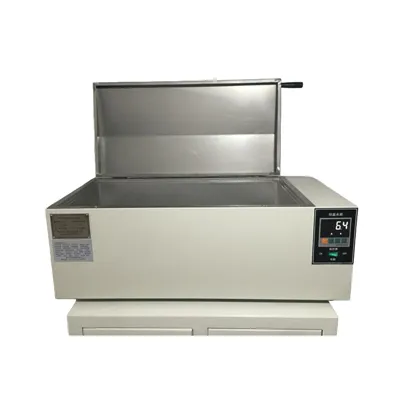
Now, I also want to mention some related testing equipment that might be of interest to you. If you're involved in materials testing, you might want to check out the Hdt Vicat Tester. This device is used to determine the heat deflection temperature and Vicat softening temperature of plastics and other materials. It's an essential tool for quality control in the plastics industry.
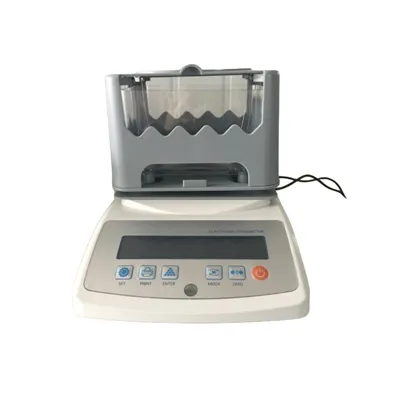
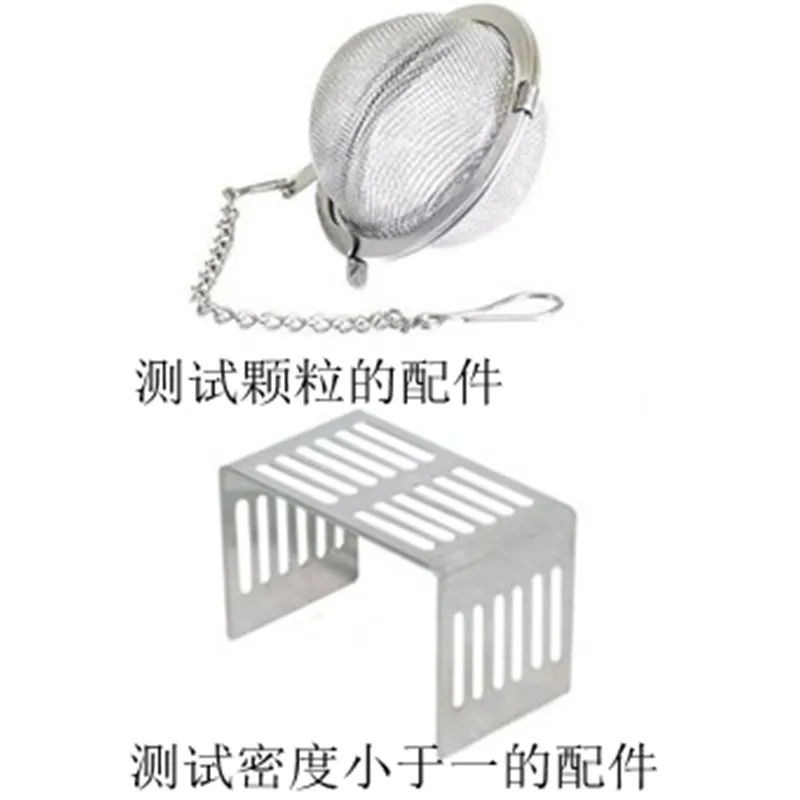
Another useful piece of equipment is the Electronic Density Meter. This meter can accurately measure the density of liquids and solids, which is important for a variety of applications, including chemical analysis and material characterization.
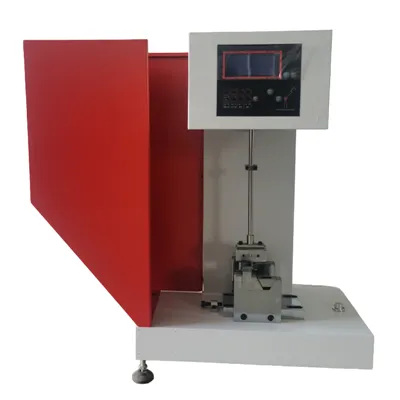
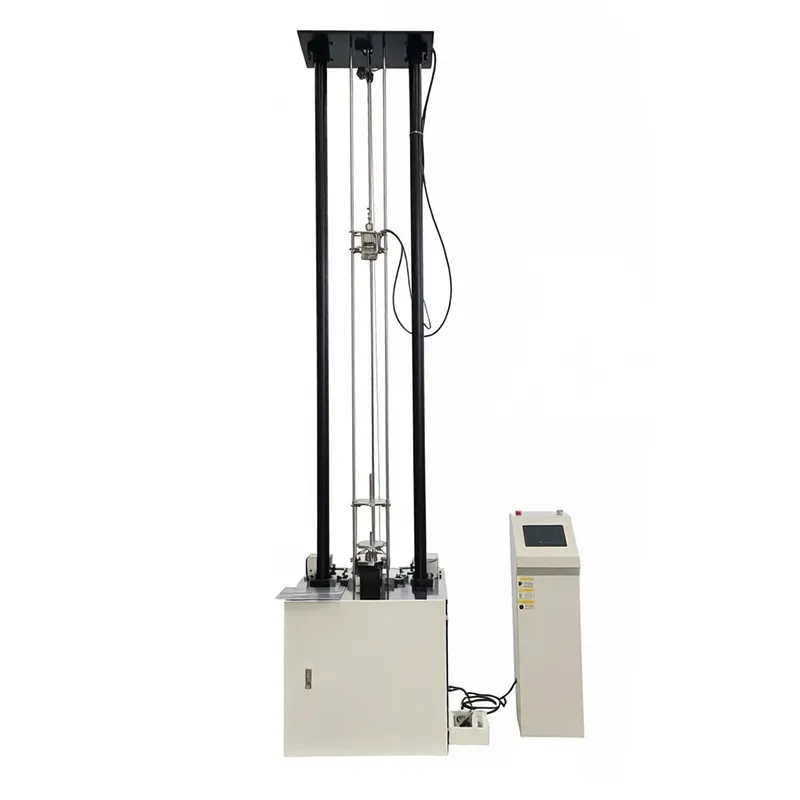
And if you're dealing with impact testing, the Drop Hammer Impact Tester is a great option. It can simulate the impact forces that materials might experience in real - world situations, helping you to evaluate the impact resistance of your products.
So, to answer the question, yes, a Sonic Tester Thickness can definitely be used in underwater applications. With the right technology and proper calibration, it can provide accurate and reliable thickness measurements even in the challenging underwater environment.
If you're in the market for a Sonic Tester Thickness or any of the related testing equipment I mentioned, don't hesitate to reach out. We're here to help you find the right solution for your specific needs. Whether you're in the oil and gas industry, shipbuilding, or any other field that requires accurate thickness measurements, we've got you covered.
Contact us today to start a discussion about your requirements and how our products can benefit your operations.
References
- Ultrasonic Testing Handbook, 3rd Edition
- Underwater Inspection Techniques and Technologies, 2nd Edition