In the food processing industry, double - head slicers play a crucial role in efficiently slicing various food products. As a double - head slicer supplier, understanding the certification requirements for these machines is essential. This blog post aims to delve into the key certification requirements for double - head slicers, which not only ensure the safety and quality of the equipment but also meet the regulatory standards in different markets.
1. Safety Certifications
Safety is of utmost importance when it comes to food processing equipment, and double - head slicers are no exception. One of the most well - known safety certifications is CE (Conformité Européene). The CE mark indicates that the double - head slicer meets the essential health and safety requirements set by the European Union. This includes aspects such as electrical safety, mechanical safety, and protection against hazards like sharp blades.
To obtain the CE mark, the double - head slicer must comply with a series of European Directives. For example, the Machinery Directive (2006/42/EC) regulates the safety of machinery, including slicers. It requires that the slicer is designed and constructed in such a way that it can be used safely during normal operation and foreseeable misuse. This may involve features like blade guards, emergency stop buttons, and proper grounding of electrical components.
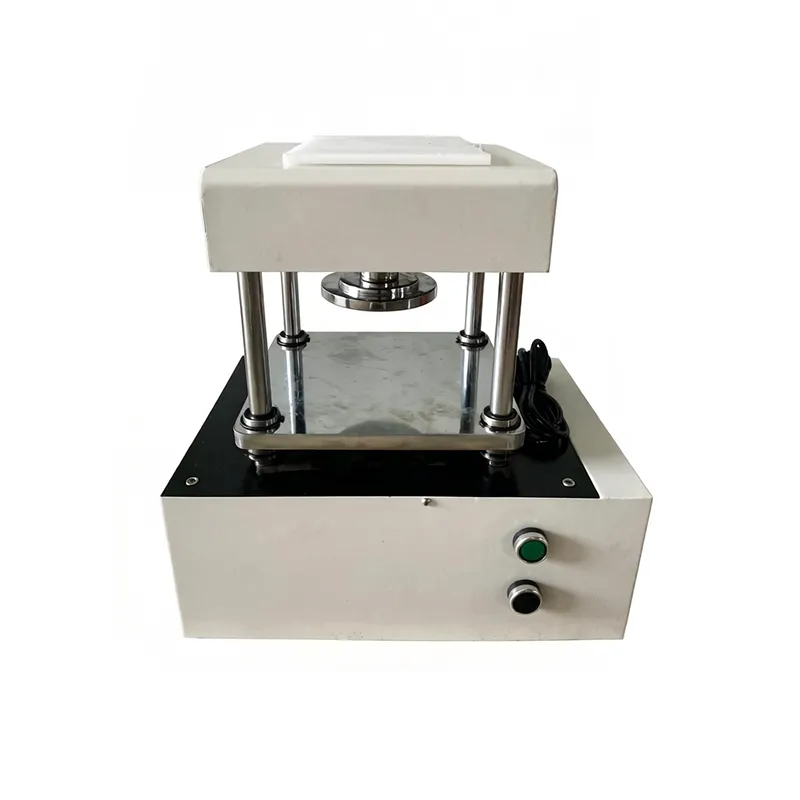
In the United States, the Underwriters Laboratories (UL) certification is highly regarded. UL evaluates the safety of products based on a set of standards. For double - head slicers, UL standards cover areas such as electrical insulation, fire resistance, and mechanical integrity. A UL - certified double - head slicer gives customers confidence that the machine has been thoroughly tested and meets the high - level safety requirements in the US market.
2. Hygiene Certifications
Since double - head slicers are used in food processing, maintaining high levels of hygiene is crucial. The NSF (National Sanitation Foundation) certification is a well - recognized standard in this regard. NSF certification ensures that the slicer is designed and constructed to be easily cleanable and resistant to the growth of bacteria and other pathogens.
The NSF standard for food equipment, such as double - head slicers, requires that all surfaces in contact with food are made of materials that are non - toxic, corrosion - resistant, and easy to sanitize. The slicer should also have proper drainage to prevent the accumulation of water and debris, which can lead to the growth of harmful microorganisms.
Another important aspect of hygiene certification is compliance with the Hazard Analysis and Critical Control Points (HACCP) principles. HACCP is a systematic approach to identifying, evaluating, and controlling food safety hazards. Double - head slicer suppliers need to ensure that their products are designed in a way that allows for effective implementation of HACCP plans. This may involve features like easy disassembly for cleaning, proper labeling of parts for maintenance, and clear instructions on how to operate the slicer in a hygienic manner.
3. Quality and Performance Certifications
In addition to safety and hygiene, quality and performance certifications are also important for double - head slicers. ISO (International Organization for Standardization) certifications, such as ISO 9001, demonstrate that the supplier has a quality management system in place. ISO 9001 focuses on ensuring that the company consistently provides products that meet customer and regulatory requirements.
For double - head slicers, this means that the manufacturing process is well - controlled, from the selection of raw materials to the final assembly. The slicer should have consistent performance in terms of slicing thickness, speed, and accuracy. ISO 9001 certification also requires the supplier to have a process for continuous improvement, which helps to enhance the quality of the double - head slicer over time.
Some industries may also require specific performance certifications. For example, in the meat processing industry, a double - head slicer may need to meet certain standards for slicing uniformity and throughput. These performance certifications are often based on industry - specific requirements and are designed to ensure that the slicer can meet the production needs of the customers.
4. Other Considerations
Apart from the above - mentioned certifications, there may be other requirements depending on the specific market and application. For example, some countries may have their own national standards for food processing equipment. In Asia, countries like Japan and South Korea have their own regulatory frameworks for food machinery.
It is also important to note that certifications are not static. They may change over time as new technologies and safety standards emerge. As a double - head slicer supplier, we need to stay updated with the latest certification requirements and ensure that our products are always in compliance.
5. Related Equipment and Their Certifications
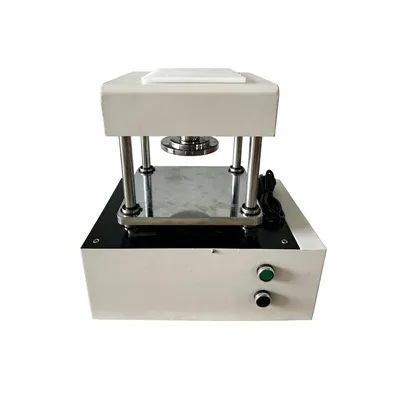
When considering double - head slicers, it is also worth mentioning some related equipment in the food processing industry. For example, an Automatic Hole Punch Machine is often used in sample preparation. This machine may also need to meet certain safety and quality certifications, similar to the double - head slicer.
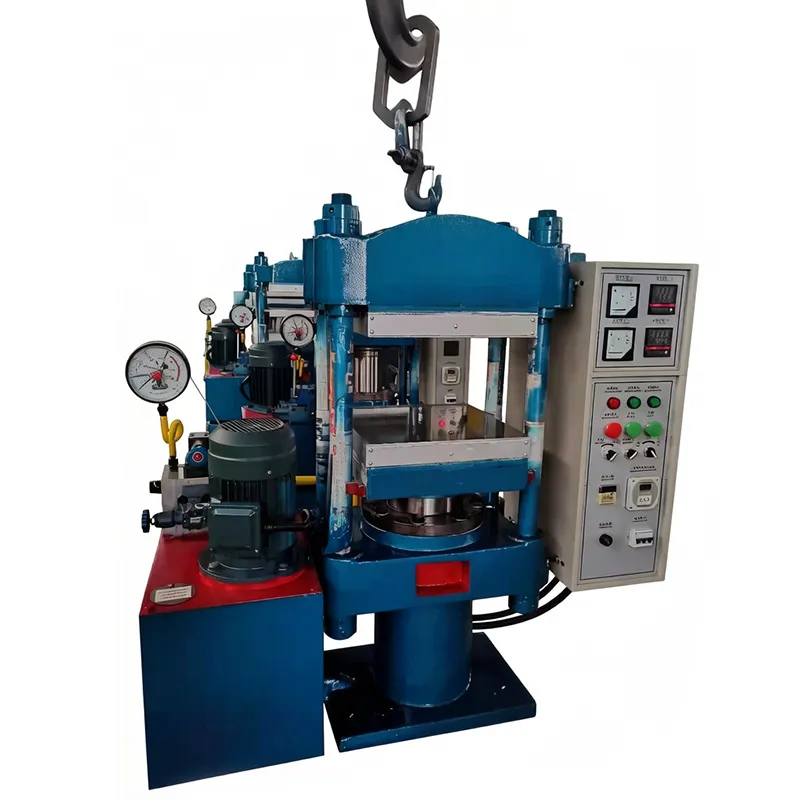
Another related piece of equipment is the Plate Vulcanizing Press, which is used in rubber and plastic processing. It is important for these machines to have proper certifications to ensure their safe and efficient operation.
The Sample Fixture is also an important tool in the food and material testing process. It needs to be designed and manufactured to meet the relevant standards for accuracy and reliability.
6. Conclusion and Call to Action
In conclusion, the certification requirements for double - head slicers are comprehensive and cover aspects of safety, hygiene, quality, and performance. As a double - head slicer supplier, we are committed to ensuring that our products meet all the necessary certifications to provide our customers with high - quality, safe, and reliable equipment.
If you are in the market for a double - head slicer or have any questions about our products and their certifications, we encourage you to reach out to us for a detailed discussion. Our team of experts is ready to assist you in finding the right slicer for your specific needs. Whether you are a small - scale food processor or a large - scale industrial operation, we can provide you with the solutions you need.
References
- European Union Machinery Directive (2006/42/EC)
- Underwriters Laboratories (UL) standards for food processing equipment
- National Sanitation Foundation (NSF) standards for food equipment
- ISO 9001:2015 Quality management systems - Requirements
- Hazard Analysis and Critical Control Points (HACCP) principles