Can an Electronic Hardness Tester be used for non - destructive testing?
Hey there! I'm a supplier of Electronic Hardness Testers, and today I wanna chat about whether an electronic hardness tester can be used for non - destructive testing.
First off, let's understand what non - destructive testing (NDT) is. NDT is a set of techniques used to evaluate the properties of a material, component, or system without causing damage to it. This is super important in industries like manufacturing, aerospace, and automotive, where you don't want to ruin the product just to check its quality.
So, can our electronic hardness testers fit into the world of NDT? Well, the answer is a bit of a yes and no, and let me break it down for you.
How Electronic Hardness Testers Work
Electronic hardness testers measure the hardness of a material by applying a specific load to an indenter and then measuring the size of the indentation left on the material's surface. There are different types of hardness tests, like the Brinell, Rockwell, and Vickers tests, each with its own indenter and load requirements.
When it comes to non - destructive testing, the key is to not cause any significant damage to the material. In some cases, electronic hardness testers can achieve this. For example, in the Rockwell superficial hardness test, a relatively small load is applied, and the indentation is quite small. This means that for many materials, the damage caused by the test is so minimal that the material can still be used after the test. It's like giving the material a little poke to see how tough it is without really hurting it.
Advantages of Using Electronic Hardness Testers for NDT
One of the big advantages is the speed and accuracy. Electronic hardness testers can provide quick and precise hardness measurements. In a manufacturing setting, this means you can test a large number of parts in a short time, ensuring that the quality is up to par.
Another advantage is the portability. Many of our electronic hardness testers are handheld, which means you can take them right to the production line or even out to a field site. This is great for on - the - spot testing without having to move the parts to a laboratory.
Limitations in Non - Destructive Testing
However, there are some limitations. For some very hard or brittle materials, even a small indentation from a hardness test can cause micro - cracks or other forms of damage that could affect the material's performance. In these cases, the test might not be truly non - destructive.
Also, the size and shape of the material can be a factor. If the material is too thin or has an irregular shape, it might be difficult to get an accurate hardness measurement without causing excessive damage.
Comparing with Other Testing Machines
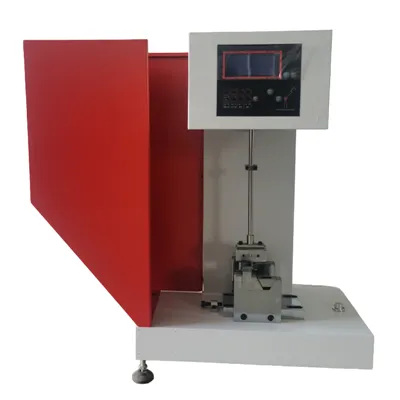
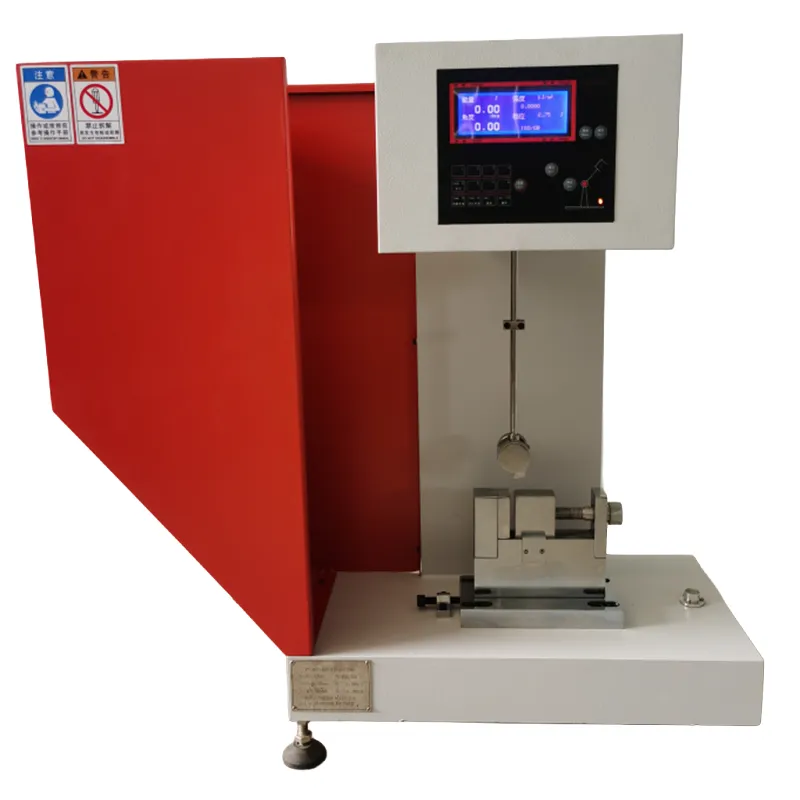
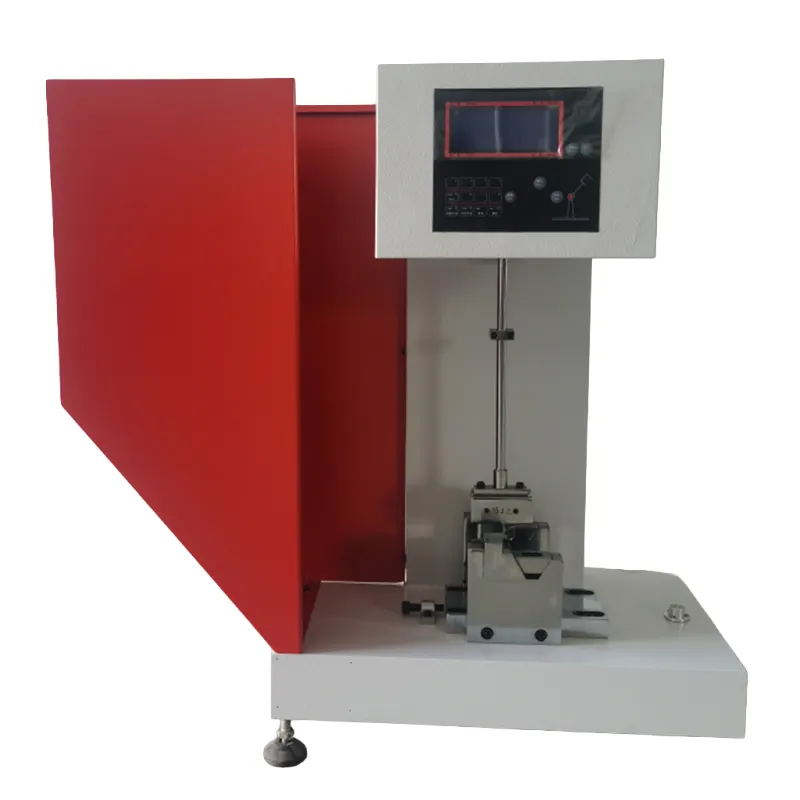
Now, let's compare our electronic hardness testers with some other testing machines in the market. For example, a Charpy Pendulum Impact Test Machine is used to measure the impact resistance of a material. This test is destructive because it involves breaking the sample. In contrast, our electronic hardness testers can often be used in a less - damaging way.
A Plasticity Tester is used to measure the plasticity of a material. While it can provide valuable information about a material's behavior under stress, it also might cause some deformation of the sample. Our hardness testers, on the other hand, can sometimes give us an idea of a material's properties without causing as much change to the sample.
And then there's the Tensile Pull Test Machine. This machine is used to measure the tensile strength of a material by pulling it until it breaks. Clearly, this is a destructive test. Our electronic hardness testers offer a more non - invasive alternative in some cases.
Real - World Applications
In the aerospace industry, electronic hardness testers can be used to test the hardness of critical components like turbine blades. Since these parts are extremely expensive and need to be in perfect condition, non - destructive testing is crucial. By using our hardness testers, engineers can quickly check the hardness of the blades without damaging them, ensuring that they meet the strict quality standards.
In the automotive industry, electronic hardness testers can be used to test the hardness of engine parts. This helps in quality control during the manufacturing process, and since the tests can be done non - destructively, the parts can still be used in the final product.
Conclusion
So, to sum it up, an electronic hardness tester can be used for non - destructive testing in many cases. It offers speed, accuracy, and portability, which are great advantages in various industries. However, it's important to be aware of its limitations, especially when dealing with certain materials.
If you're in the market for an electronic hardness tester or want to learn more about how it can fit into your non - destructive testing needs, don't hesitate to reach out. We're here to help you find the right solution for your business. Whether you're in manufacturing, aerospace, automotive, or any other industry, our electronic hardness testers can be a valuable addition to your quality control process. Let's have a chat and see how we can work together to improve your testing capabilities.
References
- ASTM International. (20XX). Standard test methods for hardness testing.
- ASNT (American Society for Nondestructive Testing). (20XX). Nondestructive testing handbook.
- Various industry research papers on material testing and hardness measurement.