In the field of polymer material testing, the selection of rubber and plastic testing machines plays a crucial role in determining measurement accuracy, operational efficiency, and long-term cost performance. A well-informed decision requires a comprehensive evaluation of performance specifications, functional configuration, application scenarios, and after-sales support.
First, attention should be given to equipment performance and accuracy level. Differences in measurement precision and structural stability can significantly affect test results. High-precision sensors and a rigid mechanical frame are essential for ensuring reliable and repeatable data. For research institutions or high-end quality inspection environments, equipment with higher accuracy grades and better repeatability should be prioritized.
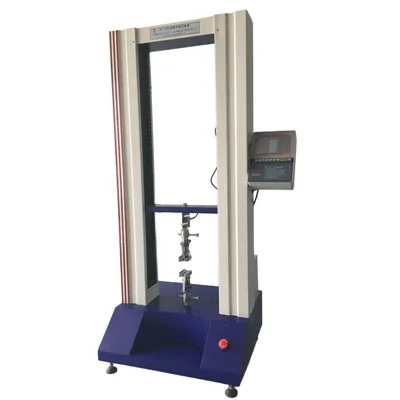
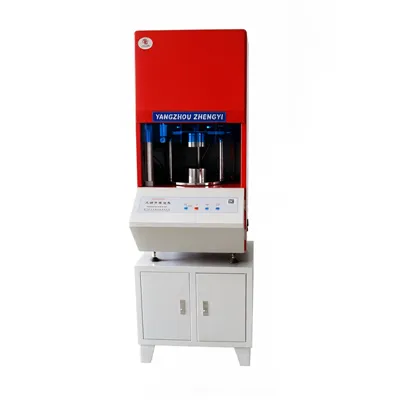
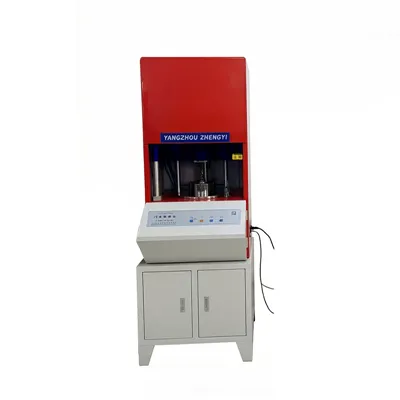
Second, the choice of machine type should be based on actual testing requirements. For basic mechanical property tests such as tension, compression, and bending, a universal electronic testing machine is suitable. For large-load structural material testing, a hydraulic testing machine is more appropriate. For rubber processing analysis, specialized instruments such as Mooney viscometers or vulcanization testers are required. Matching equipment to specific needs helps avoid unnecessary functionality or insufficient performance.
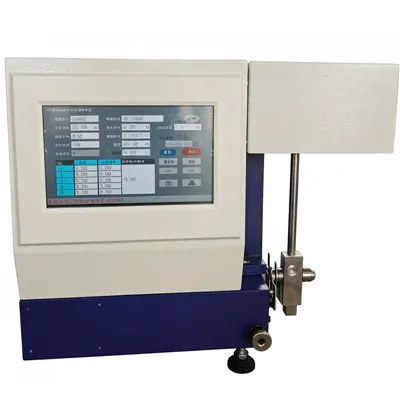
Third, the control system and software capabilities should be carefully evaluated. Modern testing machines are typically equipped with computer-based control systems that support automated testing and data analysis. It is important to ensure that the software can handle multiple standard curves, data export functions, and automated report generation to improve overall efficiency.
In addition, scalability and compatibility are important considerations. Whether the system supports multiple fixtures, interchangeable sensors, or environmental simulation modules will directly affect its future application range. Strong expandability helps extend equipment lifespan and reduce upgrade costs.
Finally, after-sales service and technical support should not be overlooked. A reliable support system ensures timely maintenance, calibration, and troubleshooting, reducing downtime and improving overall operational efficiency.
Overall, the selection of rubber and plastic testing machines should be guided by the principles of matching application needs, ensuring precision, considering expandability, and valuing service support, so as to achieve optimal performance in practical use.