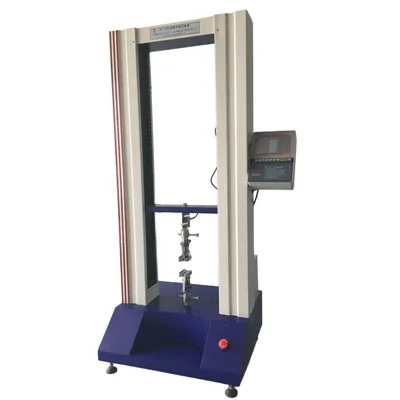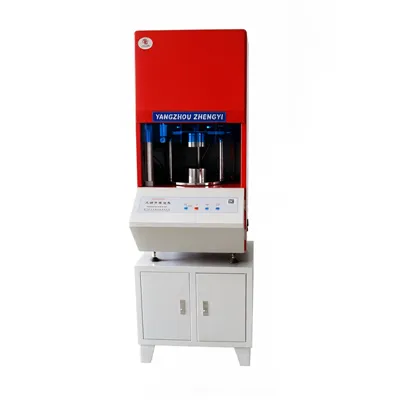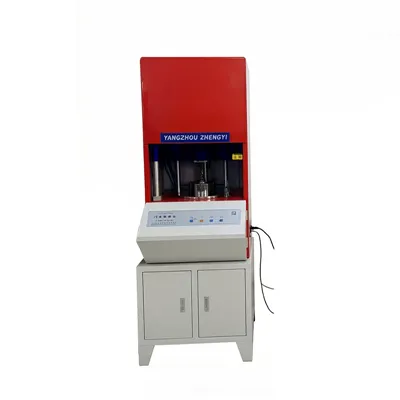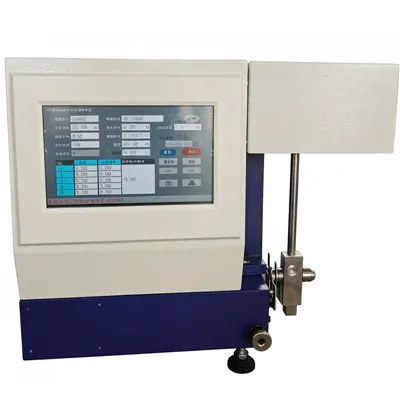
Rubber and plastic testing machines are high-precision instruments, and their long-term stable operation depends on systematic maintenance and proper care. Effective maintenance not only ensures accurate test results but also extends equipment lifespan and reduces the likelihood of failures.
First, in daily cleaning, it is important to remove any rubber or plastic debris and oil residues from the machine surface and fixture area after each test. Contaminants should not be allowed to enter the transmission system or sensor components, as this may affect measurement accuracy. Keeping the surrounding environment clean also helps prevent dust accumulation that could impact electronic stability.
Second, regarding the mechanical transmission system, components such as lead screws and guide rails should be lubricated regularly to reduce friction and ensure smooth operation. If abnormal noise or irregular movement is detected during use, the machine should be stopped immediately for inspection to prevent further damage to critical parts.
Third, in sensor and measurement system maintenance, force and displacement sensors are highly sensitive components that must be protected from impact and overload. Regular zero calibration and accuracy verification are necessary to ensure stable and reliable measurement performance.
In addition, for the electrical and control system, wiring connections should be checked periodically to avoid malfunctions caused by poor contact. The control software should be updated in a timely manner, and test data should be backed up regularly to prevent data loss or system failure.
Finally, during long-term shutdown or idle periods, the equipment should be thoroughly cleaned and properly protected. Periodic power-up operation is recommended to prevent moisture damage and electronic component aging.
Overall, maintenance of rubber and plastic testing machines should follow the principles of regular inspection, standardized operation, and timely troubleshooting. Systematic care ensures the equipment remains in optimal condition, guaranteeing accuracy and stability in testing performance.