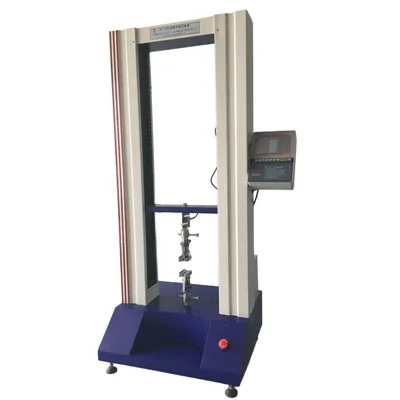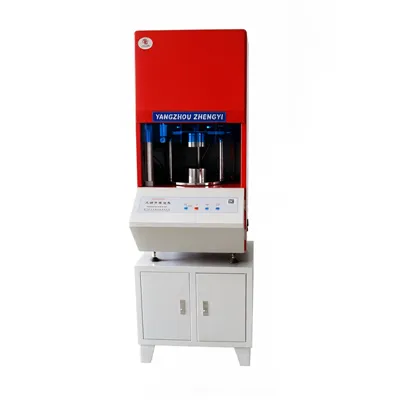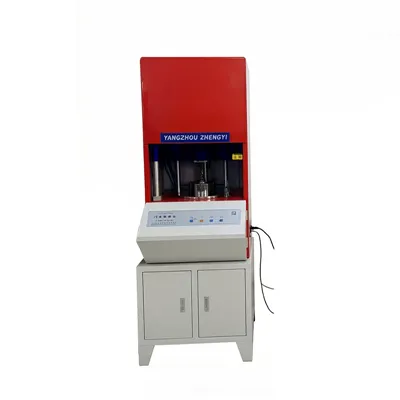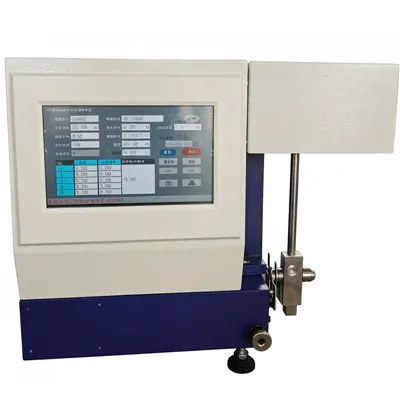
Rubber and plastic testing machines are essential instruments for evaluating the performance of polymer materials, and their structural design plays a decisive role in measurement accuracy and application flexibility. Overall, these systems are characterized by a modular architecture, high rigidity, strong stability, and coordinated multi-system integration to meet diverse testing requirements.
One of the primary structural features is a high-rigidity frame design. The main frame is typically constructed from high-strength alloy steel or aluminum alloy, providing excellent resistance to deformation. During operation, this structure effectively minimizes vibration and displacement, ensuring stable and repeatable test results. It serves as the foundation for achieving high-precision measurement.
Another key feature is a clearly defined modular system structure. The machine is generally composed of a loading unit, transmission system, gripping fixtures, sensing components, and a control system. Each module operates independently while maintaining tight coordination. The loading system applies mechanical force, the transmission system ensures smooth motion control, the gripping system adapts to different specimen shapes, the sensors collect real-time data, and the control unit manages overall operation and data processing.
High-precision transmission combined with advanced control is another important structural characteristic. Common configurations include servo motor-driven screw systems or hydraulic drive mechanisms, which enable precise control of loading speed and displacement. This ensures smooth operation and improves data consistency throughout the testing process.
In addition, these machines feature strong expandability and multiple interface structures. Reserved ports for sensors and functional modules allow users to integrate temperature control systems, environmental simulation units, or specialized fixtures, enabling the equipment to adapt to complex testing environments.
Finally, modern structural design emphasizes user-friendly operation and human-machine interaction. Most systems are equipped with independent control terminals or computer-based interfaces, making operation more intuitive while improving efficiency and automation levels.
Overall, the structural design of rubber and plastic testing machines integrates high rigidity, modularity, precision control, and expandability, making them a representative example of modern material testing equipment engineering.