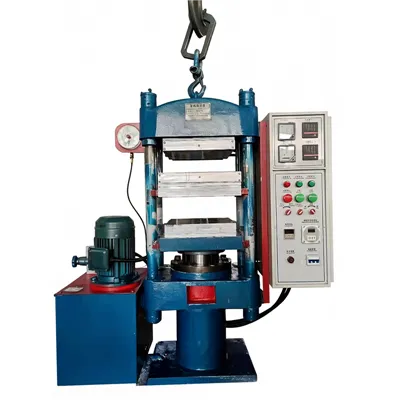
What is the sample size requirement for Hdt Vicat Tester?
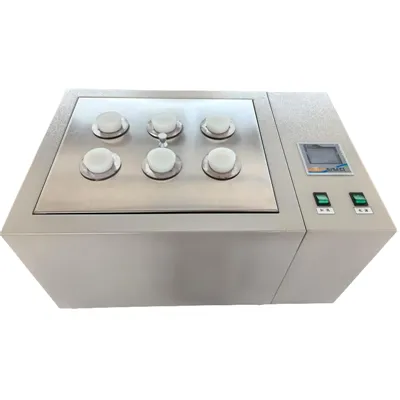
As a reputable supplier of Hdt Vicat Testers, I am often asked about the sample size requirements for these important testing instruments. The Hdt Vicat Tester is used to determine the heat deflection temperature (HDT) and Vicat softening temperature (Vicat) of plastics and other materials. These properties are crucial for understanding how a material will perform under different temperature conditions, which is essential for applications in various industries such as automotive, aerospace, and electronics.
Understanding the Basics of HDT and Vicat Testing
Before delving into the sample size requirements, it's important to understand the basic principles of HDT and Vicat testing.
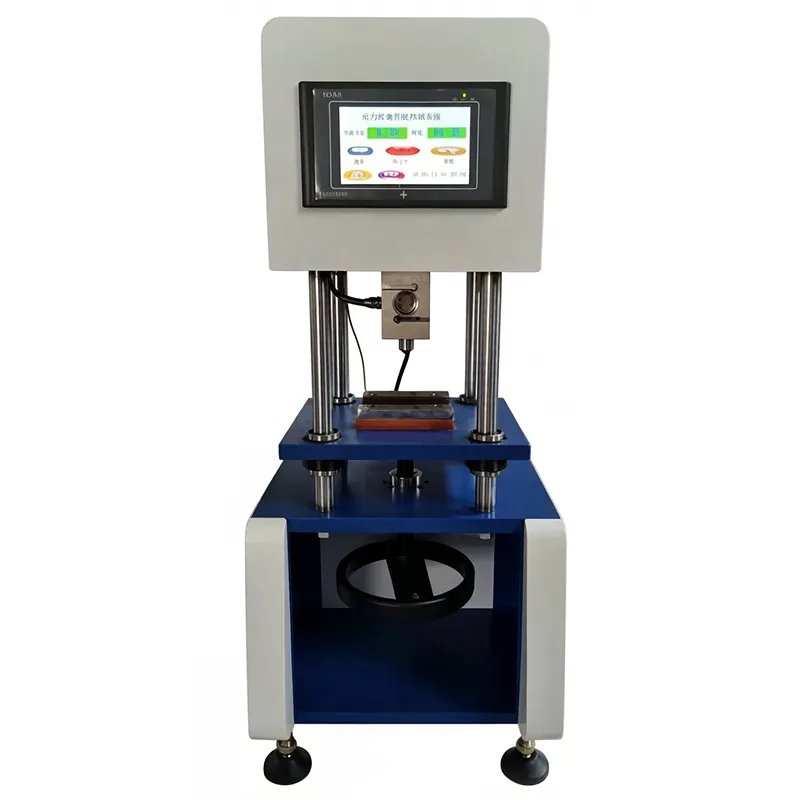

The heat deflection temperature (HDT) is the temperature at which a plastic specimen deforms under a specified load. This test is typically conducted by placing a bar-shaped specimen in a test fixture and applying a constant load. The specimen is then heated at a controlled rate until it deflects by a certain amount. The temperature at which this deflection occurs is the HDT.
The Vicat softening temperature (Vicat) is the temperature at which a flat-ended needle penetrates a plastic specimen to a specified depth under a specified load. Similar to the HDT test, the specimen is heated at a controlled rate until the needle penetrates to the required depth. The temperature at this point is the Vicat softening temperature.
Importance of Sample Size
The sample size plays a crucial role in the accuracy and reliability of HDT and Vicat testing. A proper sample size ensures that the test results are representative of the material being tested. If the sample size is too small, the results may be skewed due to variations in the material properties within the sample. On the other hand, if the sample size is too large, it may be difficult to handle and may not fit properly in the testing equipment.
Standard Sample Size Requirements
According to international standards such as ISO 75 for HDT and ISO 306 for Vicat testing, there are specific requirements for the sample size.
For HDT testing, the standard specimen size is usually a rectangular bar with dimensions of 80 mm x 10 mm x 4 mm. This size is widely accepted and used in most testing laboratories. However, in some cases, other sizes may be used depending on the specific requirements of the test or the material being tested. For example, if the material is difficult to mold into the standard size, a smaller or larger specimen may be used, but this should be clearly documented in the test report.
For Vicat testing, the standard specimen size is also a rectangular bar, but the dimensions are typically 10 mm x 10 mm x 4 mm. Again, deviations from this standard size may be allowed under certain circumstances, but proper documentation is necessary.
Factors Affecting Sample Size
Several factors can influence the choice of sample size for HDT and Vicat testing.
- Material Properties: Different materials have different properties, such as density, homogeneity, and thermal conductivity. These properties can affect the heat transfer within the specimen during testing. For example, a material with high thermal conductivity may require a larger sample size to ensure that the temperature is evenly distributed throughout the specimen.
- Testing Equipment: The design and capacity of the Hdt Vicat Tester can also limit the sample size. Some testers may have a maximum specimen size that they can accommodate. It's important to choose a sample size that is compatible with the testing equipment to ensure accurate and reliable results.
- Testing Standards: As mentioned earlier, international standards provide guidelines for sample size. It's important to follow these standards to ensure that the test results are comparable and valid.
Other Considerations
In addition to the sample size, there are other factors that need to be considered when conducting HDT and Vicat testing.
- Specimen Preparation: The specimen should be prepared carefully to ensure that it is free from defects such as cracks, voids, or inclusions. Any defects in the specimen can affect the test results.
- Testing Conditions: The testing conditions, such as the heating rate and the applied load, should be carefully controlled to ensure accurate and reproducible results.
- Multiple Specimens: It is recommended to test multiple specimens to obtain more reliable results. This helps to account for any variations in the material properties and reduces the uncertainty in the test results.
Related Testing Equipment
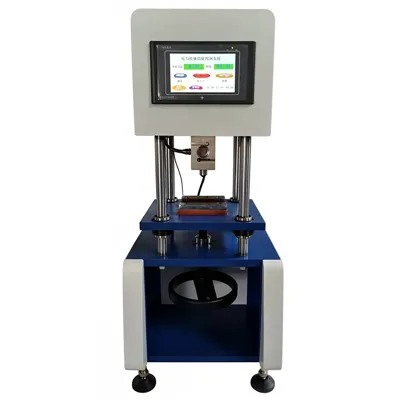
As a supplier of Hdt Vicat Testers, we also offer a range of other testing equipment that can be used in conjunction with the Hdt Vicat Tester. For example, our Rubber Compression Stress Relaxation Tester is used to measure the stress relaxation properties of rubber materials. This can be useful for applications where rubber components are subjected to constant compression.
Our Ozone Aging Test Chamber is designed to simulate the aging effects of ozone on materials. This is important for materials that are exposed to ozone in their end-use applications, such as automotive tires and seals.
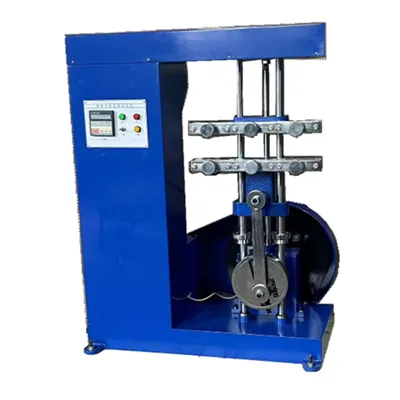
We also offer a Rubber Testing Machine that can be used to perform a variety of tests on rubber materials, including tensile strength, elongation, and hardness testing.
Conclusion
In conclusion, the sample size requirement for Hdt Vicat Testers is an important factor that can significantly affect the accuracy and reliability of the test results. By following the standard sample size requirements and considering the factors that can influence the choice of sample size, you can ensure that your HDT and Vicat testing is conducted accurately and efficiently.
If you are in the market for an Hdt Vicat Tester or any of our other testing equipment, we encourage you to contact us for more information. Our team of experts is available to help you choose the right equipment for your specific testing needs and to provide you with the support and guidance you need to conduct your tests successfully.
References
- ISO 75: Plastics - Determination of temperature of deflection under load
- ISO 306: Plastics - Determination of Vicat softening temperature (VST)