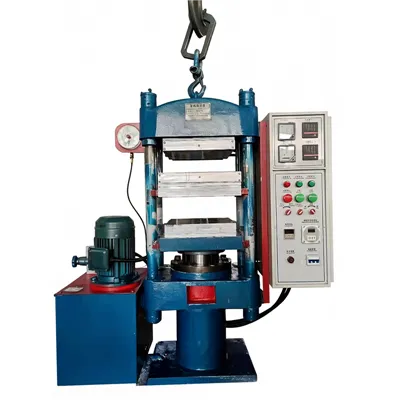
As a supplier of Rubber Oil Resistance Testers, ensuring the accuracy of test results is of paramount importance. In this blog, we will explore the key factors and strategies to guarantee the precision of the test results obtained from our Rubber Oil Resistance Testers.
Understanding the Working Principle of Rubber Oil Resistance Testers
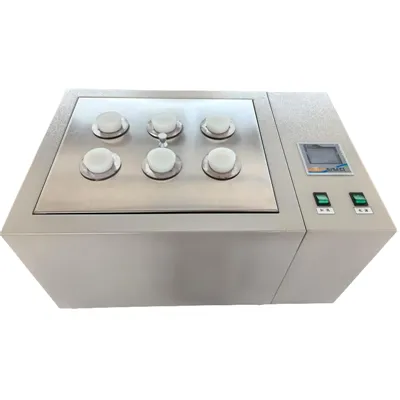
Before delving into the methods of ensuring accuracy, it is essential to understand how a Rubber Oil Resistance Tester works. These testers are designed to evaluate the resistance of rubber materials to various oils. The basic process involves immersing rubber samples in a specific oil at a controlled temperature for a set period. After the immersion, the samples are removed, and their physical properties, such as weight, volume, hardness, and tensile strength, are measured and compared with the initial values.
The accuracy of these measurements depends on several factors, including the quality of the tester, the calibration of the equipment, the preparation of the samples, and the environmental conditions during the test.
Quality of the Tester
The quality of the Rubber Oil Resistance Tester itself is the foundation for accurate test results. A high - quality tester should be made of durable materials that can withstand the corrosive effects of oils and the mechanical stress during the testing process. It should also be equipped with precise sensors and control systems to ensure accurate temperature, time, and pressure control.
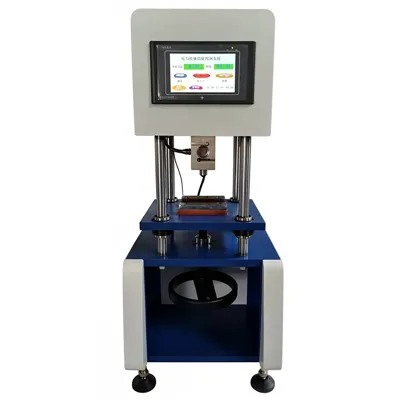
When choosing a Rubber Oil Resistance Tester, it is crucial to select a reputable supplier. At our company, we use advanced manufacturing techniques and high - quality components to produce our testers. Our testers are designed to meet international standards and are rigorously tested before leaving the factory. For more information about our Rubber Testing Machine, you can visit our website.
Calibration of the Equipment
Regular calibration is essential to maintain the accuracy of the Rubber Oil Resistance Tester. Calibration involves comparing the measurements of the tester with a known standard. This process helps to identify any deviations and adjust the tester accordingly.
We recommend calibrating the tester at least once a year or more frequently if it is used intensively. Our company provides calibration services to ensure that your tester is always in optimal condition. During the calibration process, our technicians will check the temperature control, time measurement, and other key parameters of the tester and make necessary adjustments.
Sample Preparation
Proper sample preparation is another critical factor in ensuring accurate test results. The rubber samples should be cut from the same batch of material to ensure consistency. The size and shape of the samples should also be standardized according to the testing requirements.
Before the test, the samples should be cleaned thoroughly to remove any contaminants that may affect the test results. They should be dried completely and weighed accurately. The samples should be stored in a clean and dry environment to prevent any changes in their properties before the test.
Environmental Conditions
The environmental conditions during the test can have a significant impact on the accuracy of the test results. The temperature and humidity of the testing environment should be controlled within a specific range. Fluctuations in temperature and humidity can cause changes in the physical properties of the rubber samples and affect the test results.
Our Rubber Oil Resistance Testers are equipped with temperature and humidity control systems to ensure stable environmental conditions during the test. However, it is also important to place the tester in a well - ventilated area away from direct sunlight and heat sources. For more information about environmental testing equipment, you can refer to our Low Temperature Test Chamber.
Operator Training
The operator's skills and knowledge also play a crucial role in ensuring the accuracy of the test results. Operators should be trained on the proper use of the Rubber Oil Resistance Tester, including sample preparation, test operation, and data analysis.
Our company provides comprehensive training programs for operators. Our training courses cover the theoretical knowledge and practical skills required for operating the tester. We also offer on - site training services to ensure that your operators are familiar with the equipment and can perform the tests accurately.
Data Analysis and Validation
After the test, the data obtained from the Rubber Oil Resistance Tester should be analyzed and validated. The data should be compared with the initial values and the standard requirements to determine the resistance of the rubber material to the oil.
We recommend using statistical methods to analyze the data and identify any outliers or abnormal values. The data should also be cross - checked with other test results to ensure its accuracy. Our company provides data analysis software to help you analyze and manage the test data effectively.
Maintenance and Troubleshooting
Regular maintenance of the Rubber Oil Resistance Tester is essential to ensure its long - term accuracy. The tester should be cleaned regularly to remove any oil residues and contaminants. The components of the tester should be inspected and replaced if necessary.
In case of any problems or malfunctions, our company provides troubleshooting services. Our technicians are available 24/7 to provide technical support and solve any issues you may encounter. For more information about our after - sales service, you can contact us.
Conclusion
Ensuring the accuracy of a Rubber Oil Resistance Tester's test results requires a comprehensive approach that includes the quality of the tester, calibration, sample preparation, environmental conditions, operator training, data analysis, and maintenance. As a supplier of Rubber Oil Resistance Testers, we are committed to providing high - quality products and services to help you obtain accurate test results.
If you are interested in purchasing our Rubber Oil Resistance Testers or need more information about our products and services, please feel free to contact us. We look forward to working with you to meet your testing needs.
References
- ASTM D471 - Standard Test Method for Rubber Property - Effect of Liquids
- ISO 1817 - Rubber, Vulcanized or Thermoplastic - Determination of the Effect of Liquids