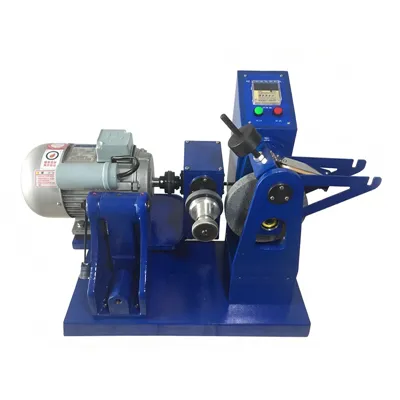
When it comes to hose manufacturing and quality control, a Hose Abrasion Tester plays a crucial role. This specialized piece of equipment is designed to simulate the wear and tear that hoses may experience in real - world applications, such as rubbing against surfaces, being dragged, or coming into contact with debris. One common question that customers often ask is: "What is the maximum number of hoses that a Hose Abrasion Tester can test at one time?" In this blog, as a leading Hose Abrasion Tester supplier, I will delve into this topic to provide you with a comprehensive understanding.
Factors Affecting the Number of Hoses Tested Simultaneously
1. Machine Design and Structure
The physical design of the Hose Abrasion Tester is a primary factor. Some testers are built with a single testing station, which means they can only test one hose at a time. These types of testers are often more compact and suitable for small - scale production or laboratories where the testing volume is relatively low.
On the other hand, larger, industrial - grade Hose Abrasion Testers may have multiple testing stations. These stations can be arranged in parallel or in a circular pattern, allowing for the simultaneous testing of several hoses. The number of stations can range from 2 to 10 or even more, depending on the specific model and manufacturer. For example, our high - end models are designed with up to 8 testing stations, enabling efficient and time - saving testing processes for large - scale hose manufacturers.
2. Power and Capacity
The power supply and overall capacity of the machine also limit the number of hoses that can be tested at once. Each hose being tested requires a certain amount of power to drive the abrasion mechanism, such as a rotating drum or a reciprocating arm. If the machine's power supply is insufficient, it may not be able to operate multiple testing stations effectively, leading to inaccurate test results or even machine malfunctions.
Moreover, the mechanical components of the tester, such as the drive system and the control unit, need to be able to handle the load of multiple hoses. A machine with a higher capacity can support more hoses, but it also comes with a higher price tag. As a supplier, we carefully balance the power and capacity of our Hose Abrasion Testers to meet the diverse needs of our customers.
3. Hose Size and Configuration
The size and configuration of the hoses being tested are important considerations. Larger - diameter hoses generally require more space and more power to test. If the hoses are too large, the number of hoses that can be accommodated in the testing area will be reduced.
In addition, the shape and flexibility of the hoses can also affect the testing process. Some hoses may need to be held in a specific position or orientation during testing, which can limit the number of hoses that can be tested simultaneously. Our Hose Abrasion Testers are designed to be adjustable to accommodate different hose sizes and configurations, but there are still practical limits based on the physical dimensions of the machine.
Advantages of Testing Multiple Hoses at Once
1. Time Efficiency
Testing multiple hoses at the same time significantly reduces the overall testing time. For large - scale hose manufacturers, this can translate into increased productivity and faster turnaround times. Instead of testing one hose after another, which can be a time - consuming process, multiple hoses can be tested in parallel, allowing for more efficient use of resources.
2. Cost Savings
By testing multiple hoses simultaneously, manufacturers can save on labor costs and energy consumption. Fewer testing cycles mean less time spent by operators and less power consumed by the machine. This can lead to significant cost savings in the long run, especially for companies with high - volume production.
3. Consistent Results
Testing multiple hoses at once can also improve the consistency of test results. Since all the hoses are tested under the same conditions, any variations in the testing environment are minimized. This allows for more accurate comparisons between different hoses and ensures that the quality control standards are met consistently.
Limitations and Considerations
1. Accuracy and Precision
While testing multiple hoses at once can be efficient, it may also affect the accuracy and precision of the test results. Each hose may have slightly different characteristics, such as material properties and surface finish, which can influence the abrasion resistance. If too many hoses are tested simultaneously, it may be difficult to monitor and control the testing conditions for each individual hose, leading to less accurate results.
2. Maintenance and Calibration
As the number of testing stations increases, the complexity of the machine also increases. This means that more maintenance and calibration are required to ensure the proper functioning of the tester. Regular maintenance, such as lubrication, cleaning, and replacement of worn - out parts, is essential to keep the machine in good condition. In addition, calibration of the testing parameters, such as the abrasion force and speed, needs to be done more frequently to ensure accurate results.
Other Related Testing Equipment
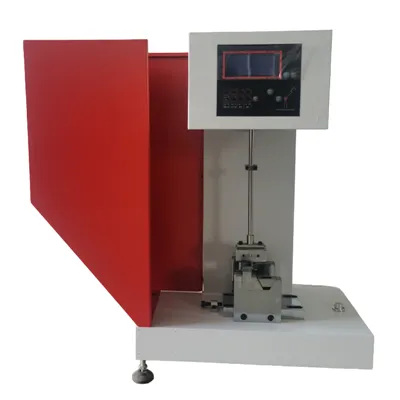
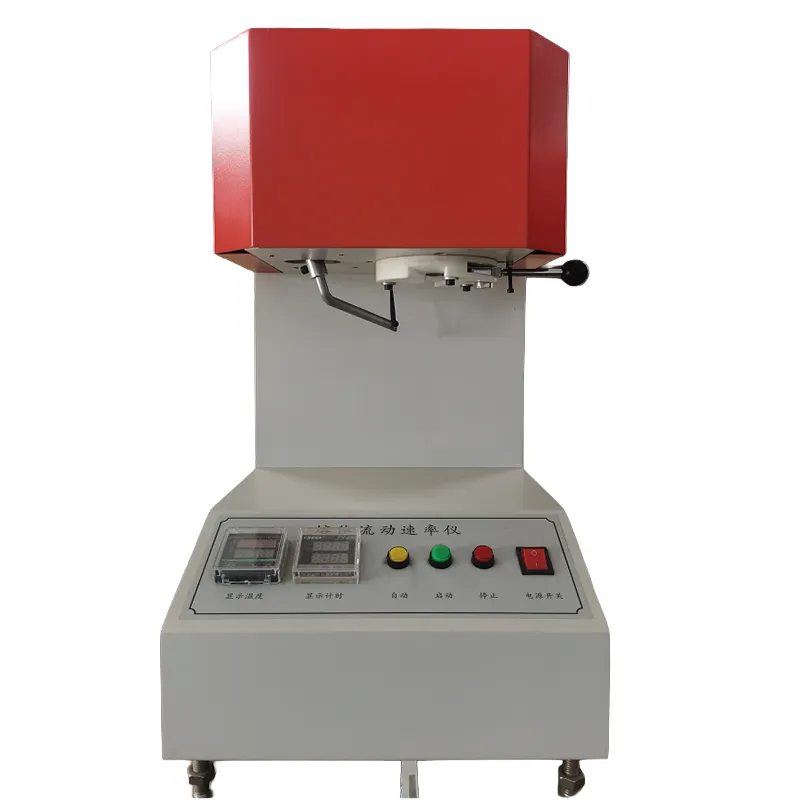
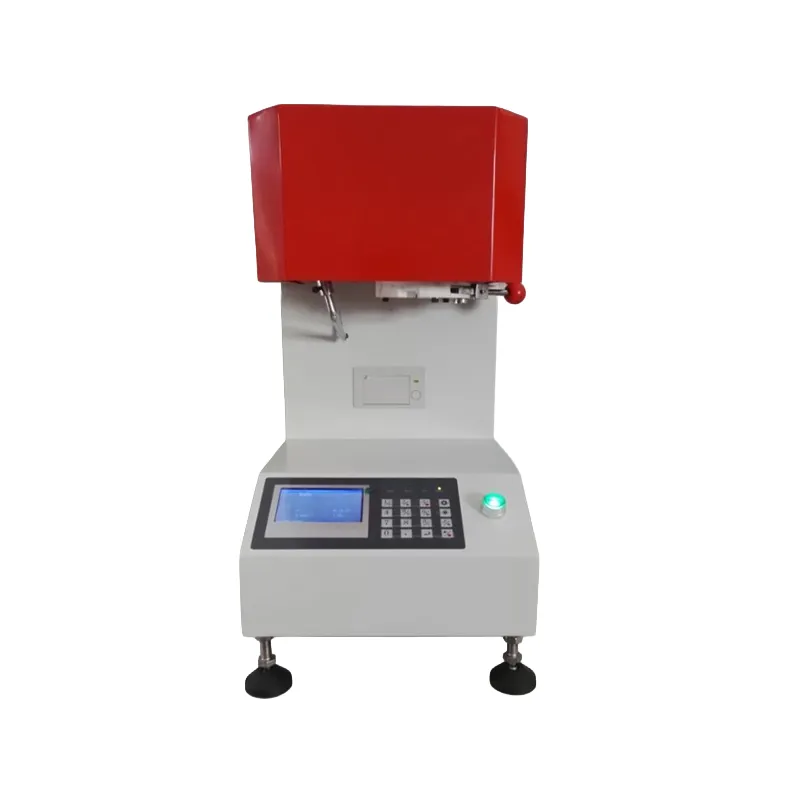
In addition to Hose Abrasion Testers, there are other important testing machines in the field of material testing. For example, the Charpy Pendulum Impact Test Machine is used to measure the impact resistance of materials, which is crucial for ensuring the safety and durability of hoses. The Rotorless Rheometer is used to analyze the rheological properties of rubber and other polymers, which can affect the performance of hoses. And the Melt Flow Index Instrument is used to measure the flow properties of plastics, which is important for hose manufacturing.
Conclusion
In conclusion, the maximum number of hoses that a Hose Abrasion Tester can test at one time depends on various factors, including machine design, power and capacity, and hose size and configuration. While testing multiple hoses simultaneously offers many advantages, such as time efficiency and cost savings, it also has some limitations, such as potential accuracy issues and increased maintenance requirements.
As a Hose Abrasion Tester supplier, we understand the diverse needs of our customers and offer a range of models with different numbers of testing stations. Whether you are a small - scale manufacturer or a large - scale industrial enterprise, we can provide you with the right solution to meet your testing requirements.
If you are interested in purchasing a Hose Abrasion Tester or have any questions about our products, please feel free to contact us. Our team of experts is ready to assist you in selecting the most suitable machine for your needs and providing you with professional technical support.
References
- ASTM D471 - Standard Test Method for Rubber Property - Effect of Liquids
- ISO 7233 - Rubber and plastics hoses - Determination of abrasion resistance
- BS EN 13867 - Rubber and plastic hoses and hose assemblies - Determination of abrasion resistance by a rotating cylindrical drum method