Hey there! As a supplier of Double - head Slicers, I'm here to share some crucial tips on how to operate these machines safely. Whether you're a newbie or have been using slicers for a while, safety should always be your top priority.
Pre - operation Checks
Before you even turn on the Double - head Slicer, there are a few things you need to do. First, give the machine a good visual inspection. Look for any signs of damage, like cracks in the housing or loose parts. If you spot anything suspicious, don't use the machine until it's been checked and repaired by a professional.
Also, make sure the slicer is placed on a stable surface. A wobbly machine can be dangerous, as it might move during operation and cause accidents. Check that all the guards and safety features are in place and working properly. These guards are there to protect you from the sharp blades, so don't remove them under any circumstances.
You should also clean the slicer thoroughly before use. Food debris or other contaminants can build up and not only affect the quality of the slices but also pose a health risk. Use a mild detergent and a soft cloth to clean the blades, the cutting area, and the exterior of the machine. Rinse it well and dry it completely.
Setting Up the Slicer
Once you've completed the pre - operation checks, it's time to set up the slicer. Adjust the thickness of the slices according to your needs. Most Double - head Slicers have a simple adjustment mechanism that allows you to control the thickness easily. Just turn the knob or use the digital controls to set the desired thickness.
If you're slicing different types of materials, make sure to select the appropriate blade. Some blades are designed for slicing meat, while others are better for vegetables or bread. Using the wrong blade can not only result in poor - quality slices but also damage the blade and the machine.

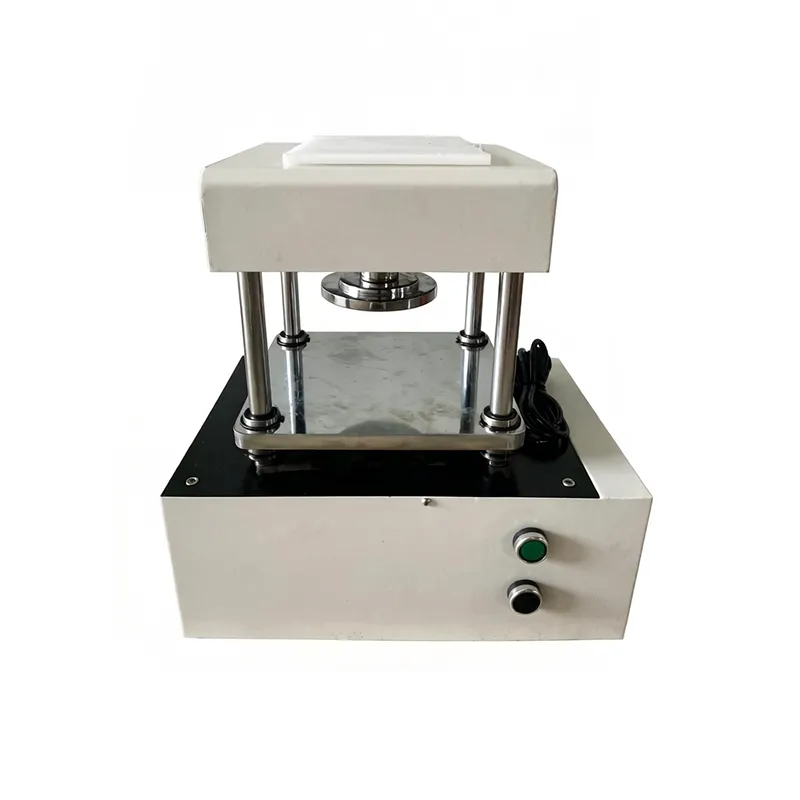
Operating the Slicer
When you're ready to start slicing, turn on the machine and let it run for a few seconds to warm up. This helps the blades reach their optimal cutting speed. Always use the pusher or the feeding mechanism provided with the slicer to feed the material into the blades. Never use your hands to push the material, as this can lead to serious injuries.
Keep your fingers and other body parts away from the blades at all times. The blades are extremely sharp, and even a small slip can cause a severe cut. If you need to clear any blockages or make adjustments during operation, turn off the machine first and wait for the blades to stop completely.
Don't overload the slicer. Follow the manufacturer's guidelines on the maximum amount of material that can be sliced at one time. Overloading can cause the machine to jam, overheat, or even break down.
Maintenance and Cleaning
Regular maintenance and cleaning are essential for the safe and efficient operation of the Double - head Slicer. After each use, turn off the machine and unplug it. Remove any remaining material from the cutting area and the blades. Use a brush or a cloth to clean the blades gently.
For a more thorough cleaning, you can disassemble the parts that are removable. Make sure to follow the manufacturer's instructions when disassembling and reassembling the machine. Soak the parts in a cleaning solution and then rinse them well. Dry all the parts completely before reassembling the machine.
Lubricate the moving parts of the slicer regularly. This helps reduce friction and wear, and it also ensures smooth operation. Use a lubricant recommended by the manufacturer.
Safety Accessories
In addition to the built - in safety features of the Double - head Slicer, there are some safety accessories that you can use to enhance safety. For example, a safety glove can provide an extra layer of protection for your hands. However, make sure the glove is designed for use with slicers and doesn't interfere with the operation of the machine.
Another useful accessory is a blade guard. Some slicers come with a blade guard, but if yours doesn't, you can purchase one separately. A blade guard helps prevent accidental contact with the blades.
Training and Education
If you're new to using a Double - head Slicer, it's a good idea to receive proper training. Many suppliers, including us, offer training programs for users. These programs cover everything from the basic operation of the slicer to safety procedures.
Even if you've been using slicers for a while, it's still a good idea to stay updated on the latest safety practices. You can find a lot of useful information online, or you can attend industry seminars and workshops.
Additional Resources
If you're interested in other specimen - preparation equipment, we also offer some great products. Check out our Constant Temperature Bath for Laboratory Use and Automatic Hole Punch Machine. And of course, if you're in the market for a Double - head Slicer, you can learn more about our product here: Double - head Slicer.
Conclusion
Operating a Double - head Slicer safely is not that difficult if you follow the right procedures. Remember to do pre - operation checks, set up the slicer correctly, operate it with caution, and perform regular maintenance and cleaning. By following these tips, you can ensure a safe and efficient slicing experience.
If you have any questions about our Double - head Slicers or need more information on safety procedures, feel free to reach out to us. We're here to help you make the most of your slicer and ensure your safety. Let's start a conversation about your slicing needs and how we can provide the best solution for you.
References
- Manufacturer's manual for Double - head Slicer
- Industry safety guidelines for slicing equipment