Hey there! I'm a supplier of Sample Molds, and today I'm gonna share with you how to measure the dimensions of a sample mold. It's a crucial step, whether you're in a research lab, a manufacturing plant, or just doing some DIY projects.
First off, let's talk about why measuring the dimensions of a sample mold is so important. Accurate measurements ensure that the samples you produce fit the required specifications. If the mold dimensions are off, the samples won't be up to par, which can lead to all sorts of problems down the line.
Tools You'll Need
Before you start measuring, you need to have the right tools. The most common ones are calipers. You can get digital calipers, which are super easy to use and give you accurate readings right away. They're great for measuring small and precise dimensions. Another tool is a micrometer. Micrometers are even more accurate than calipers, especially when you need to measure very small parts of the mold. You might also need a ruler for larger measurements. Make sure your ruler is in good condition and has clear markings.
Measuring the Length, Width, and Height
Let's start with the basic measurements: length, width, and height. Place the sample mold on a flat surface. Use your calipers or ruler to measure the length. Make sure you measure from one end to the other in a straight line. If the mold has an irregular shape, measure the longest part.
Next, measure the width. This is usually the shorter side of the mold. Again, measure in a straight line. For the height, measure from the bottom of the mold to the top. If the mold has a lid or a raised part, make sure to include that in your measurement.
Measuring the Inner Dimensions
If your sample mold has a cavity, you'll need to measure the inner dimensions too. This is where calipers come in really handy. Insert the calipers into the cavity and open them until they touch the opposite sides. Read the measurement on the caliper display. You can do the same for the depth of the cavity. Just make sure to measure from the bottom of the cavity to the top.
Measuring the Thickness
The thickness of the mold walls is also an important measurement. Use your calipers to measure the thickness at different points around the mold. This is important because the thickness can affect the strength and durability of the mold. If the walls are too thin, the mold might break easily. If they're too thick, it might be more difficult to work with.
Using Specialized Equipment
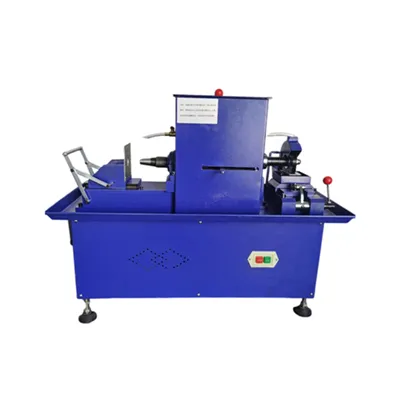
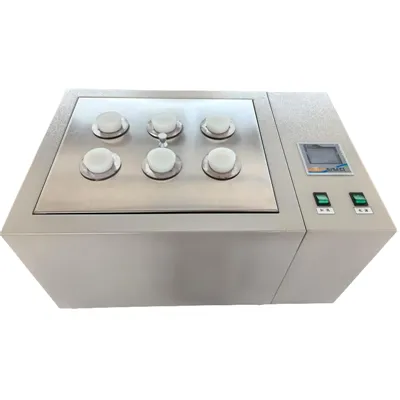
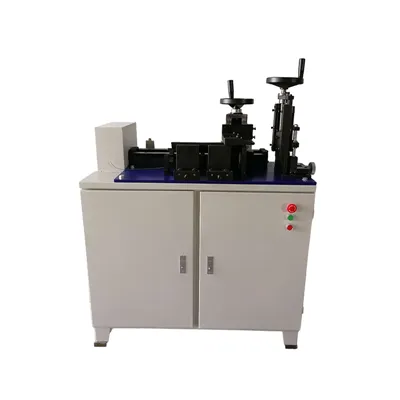
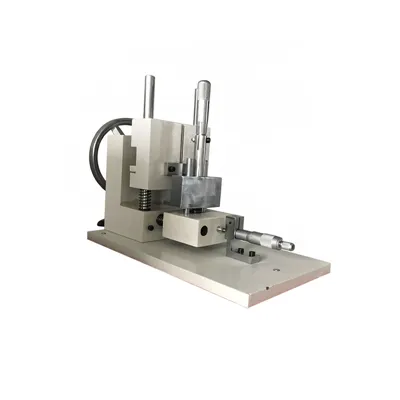
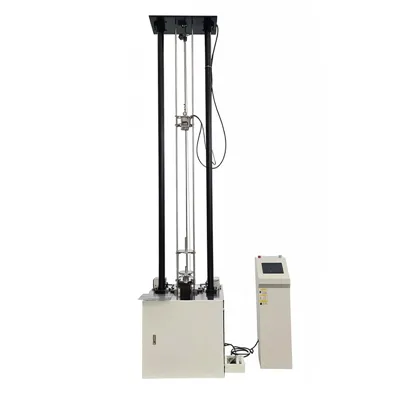
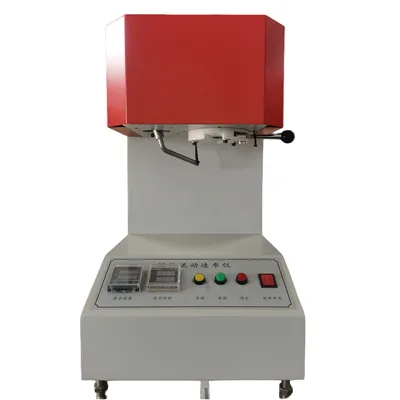
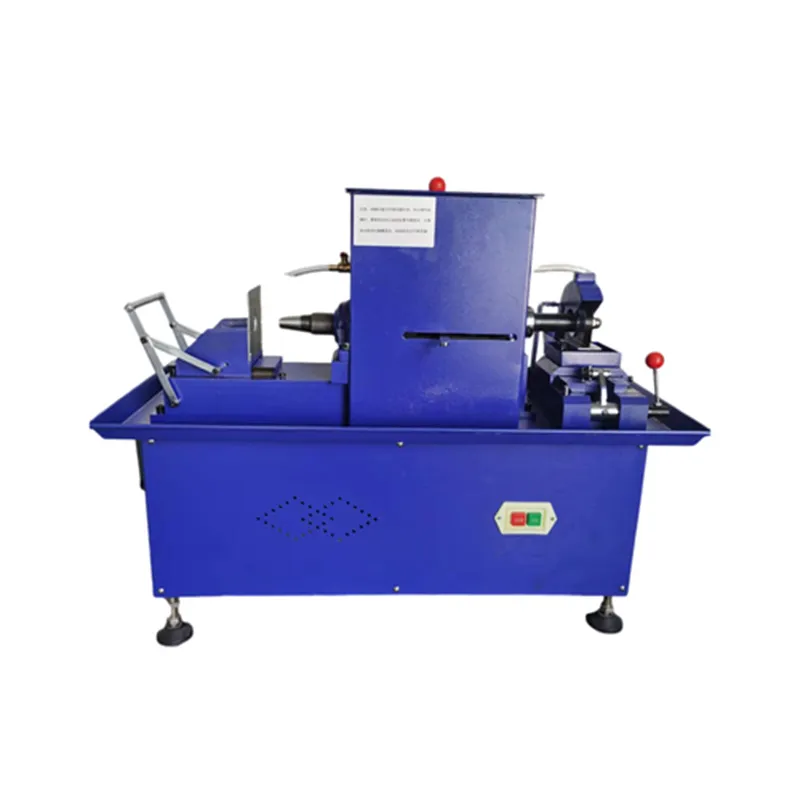
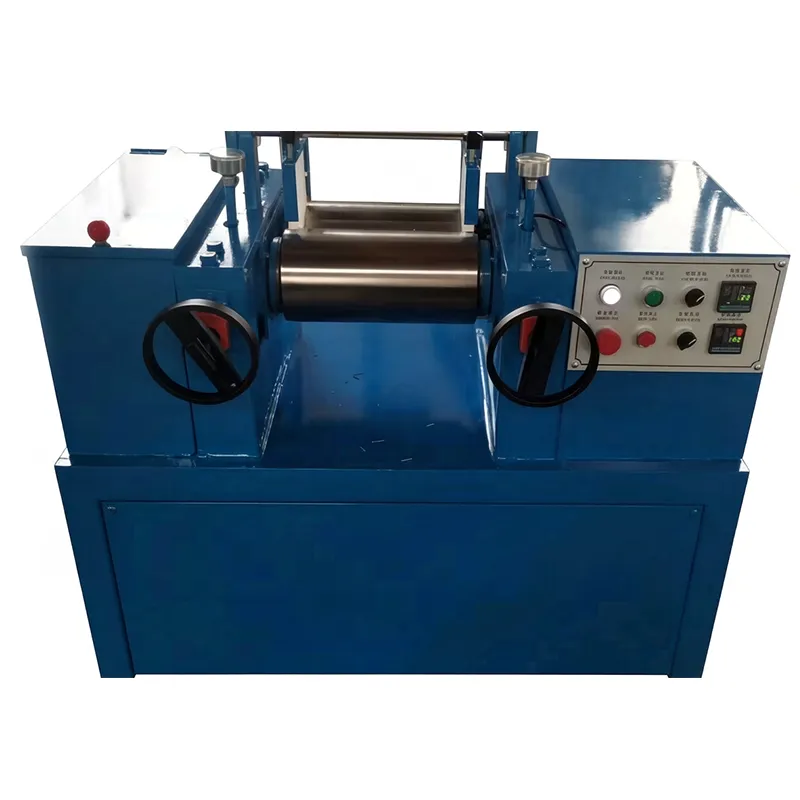
Sometimes, you might need to use specialized equipment to measure the dimensions of a sample mold. For example, if you're dealing with a complex mold with lots of curves and angles, you might need a 3D scanner. A 3D scanner can create a digital model of the mold, which you can then use to get accurate measurements. You can find more information about some of the equipment we offer, like the Double-head Slicer, Sample Mold, and Lab Two Roll Mill on our website.
Taking Multiple Measurements
It's always a good idea to take multiple measurements. This helps to ensure accuracy. Measure each dimension at least three times and then take the average. This way, you can account for any small errors or variations in your measurements.
Recording Your Measurements
Once you've taken all the measurements, make sure to record them. You can use a notebook or a spreadsheet. Write down the date, the name of the mold, and all the measurements you've taken. This will help you keep track of the mold's dimensions over time.
Checking for Tolerances
After you've measured the dimensions, you need to check if they meet the required tolerances. Tolerances are the acceptable range of variation in the dimensions. For example, if the required length of the mold is 100 mm with a tolerance of ±0.5 mm, the actual length can be anywhere between 99.5 mm and 100.5 mm. If the measurements are outside the tolerance range, you might need to make some adjustments to the mold.
Conclusion
Measuring the dimensions of a sample mold is an important part of the process. It ensures that the samples you produce are of high quality and meet the required specifications. By using the right tools, taking multiple measurements, and checking for tolerances, you can make sure that your sample mold is in good condition.
If you're in the market for a high-quality Sample Mold, we're here to help. We offer a wide range of sample molds that are designed to meet your specific needs. Whether you're working in a lab or a manufacturing plant, we've got the right mold for you. Contact us to start a procurement discussion and find out how we can help you with your sample mold needs.
References
- General knowledge of sample mold measurement techniques.
- Industry standards for mold dimensions and tolerances.