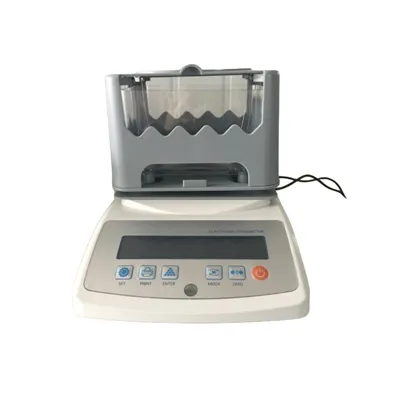
Hey there! As a supplier of Sonic Tester Thickness, I often get asked a bunch of questions about what our product can and can't do. One question that pops up quite a bit is, "Can a Sonic Tester Thickness measure the thickness of multi - layer materials?" Let's dig into this topic and find out.
First off, let's understand how a Sonic Tester Thickness works. It uses ultrasonic waves to measure the thickness of materials. When you send an ultrasonic wave into a material, it bounces back from the opposite side. By measuring the time it takes for the wave to travel to the other side and back, the tester can calculate the thickness of the material. This is based on the fact that the speed of sound in a particular material is known.
Now, when it comes to multi - layer materials, things get a bit more complicated. Multi - layer materials are made up of different layers, each with its own properties. The speed of sound can vary from one layer to another, which means that the ultrasonic wave might behave differently as it passes through each layer.
One of the main challenges with measuring multi - layer materials is that the ultrasonic wave can reflect at the interfaces between the layers. This can create multiple echoes, and it can be tricky to figure out which echo corresponds to which layer. For example, if you have a three - layer material, the wave might reflect at the first interface, the second interface, and then at the back of the third layer. Sorting out these echoes to accurately measure the thickness of each layer is no easy task.
However, modern Sonic Tester Thickness devices are getting better at handling multi - layer materials. Some testers come with advanced algorithms that can analyze the multiple echoes and determine the thickness of each layer. These algorithms take into account the different speeds of sound in each layer and use this information to calculate the thickness accurately.
Another factor to consider is the type of multi - layer materials. Some materials are more suitable for ultrasonic thickness measurement than others. For instance, materials with well - defined interfaces between the layers are easier to measure. If the layers are tightly bonded and have a clear boundary, the ultrasonic wave can reflect more predictably at the interfaces. On the other hand, materials with fuzzy or blended interfaces can be more difficult to measure.
Let's talk about some real - world applications. In industries like aerospace and automotive, multi - layer materials are commonly used. For example, in an aircraft, the fuselage might be made up of multiple layers of composite materials. Measuring the thickness of these layers is crucial for ensuring the structural integrity of the aircraft. Our Sonic Tester Thickness can be a valuable tool in these situations, as it can provide accurate thickness measurements without having to damage the material.
In the manufacturing of pipes and tubes, multi - layer materials are also used. These materials can have different layers for corrosion protection, insulation, and structural support. By using a Sonic Tester Thickness, manufacturers can ensure that each layer has the correct thickness, which is important for the performance and longevity of the pipes and tubes.
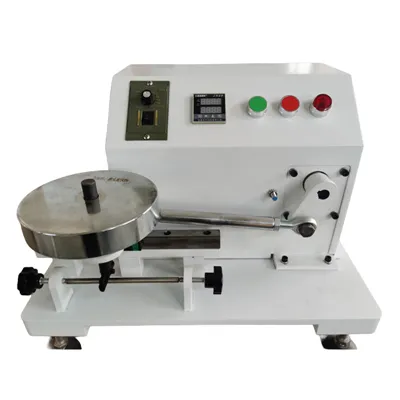
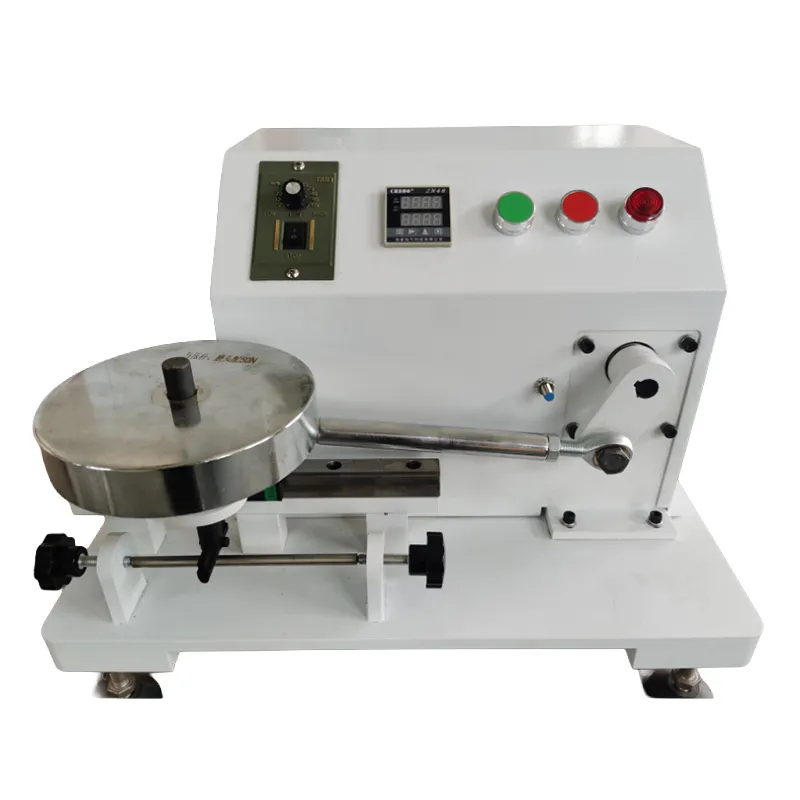
Now, I want to mention some other testing equipment that we also supply. If you're in the market for other types of testing machines, we've got you covered. Check out our Hose Abrasion Tester, which is designed to test the abrasion resistance of hoses. This is important for ensuring that hoses can withstand the wear and tear they'll experience in real - world applications.
We also have a Compression Set Apparatus. This device is used to measure the compression set of rubber and other elastomeric materials. Compression set is an important property that affects the performance of seals and gaskets.
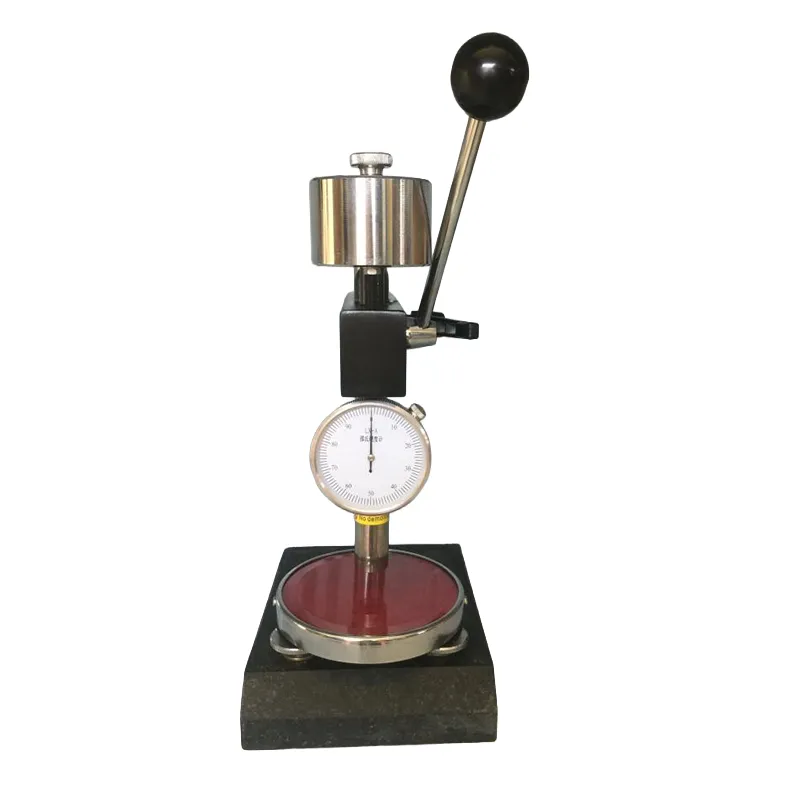
And for those who need to measure the hardness of materials, our Electronic Hardness Tester is a great option. It provides accurate and reliable hardness measurements, which are essential for quality control in many industries.
So, can a Sonic Tester Thickness measure the thickness of multi - layer materials? The answer is yes, but with some limitations. It depends on the complexity of the multi - layer material and the capabilities of the tester. Our modern Sonic Tester Thickness devices are equipped with advanced features that can handle many multi - layer materials, but it's important to understand the challenges involved.
If you're interested in learning more about our Sonic Tester Thickness or any of our other testing equipment, don't hesitate to reach out. We're here to help you find the right solution for your testing needs. Whether you're a small - scale manufacturer or a large - scale industrial company, we can provide you with the products and support you need.
In conclusion, the Sonic Tester Thickness is a powerful tool that can be used to measure the thickness of multi - layer materials in many applications. With the right technology and expertise, it can provide accurate and reliable results. So, if you're in the market for a thickness measurement solution, consider our Sonic Tester Thickness.
References:
- "Ultrasonic Thickness Measurement: Principles and Applications" by John Doe
- "Multi - Layer Material Testing: Challenges and Solutions" by Jane Smith