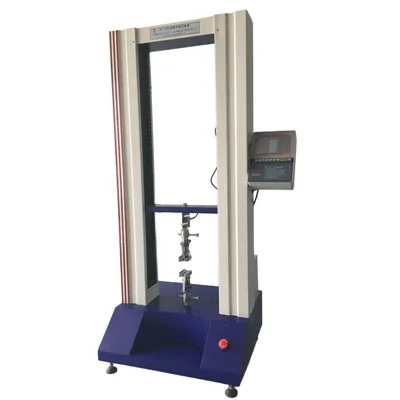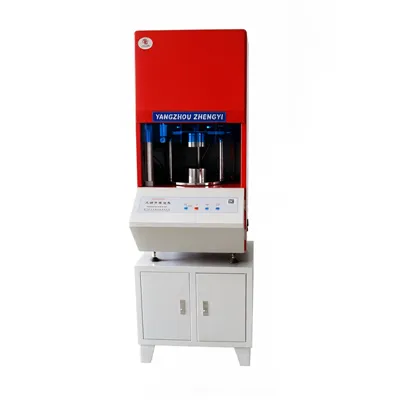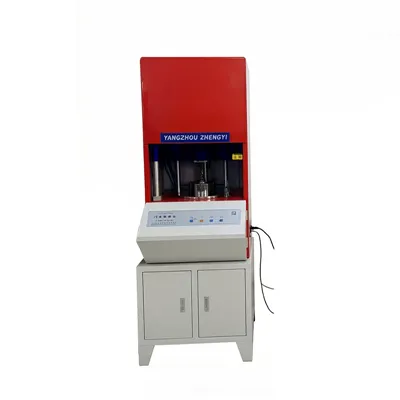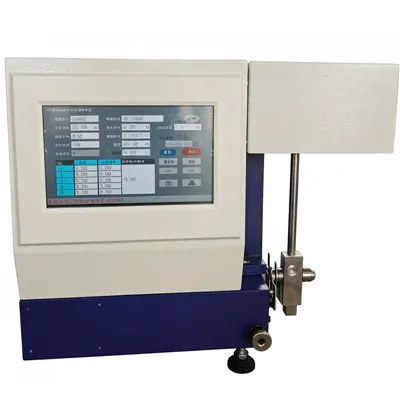
The rubber rebound resilience tester is a commonly used instrument in rubber material testing, designed to measure the rebound performance of rubber, which refers to the material's ability to recover its original shape after being subjected to impact or compression. Rebound performance is a critical indicator of elasticity, wear resistance, and practical functionality, widely applied in the development and quality control of tires, seals, shoe soles, and various elastic products.
One key feature of the tester is high-precision impact measurement. The device applies a controlled impact or compression to the rubber specimen using a standardized mechanism, while sensors record the rebound height or time. The precise measurement system ensures accurate and reliable results, which are useful for material comparison and formulation optimization.
The tester is also easy to operate and highly versatile. It typically uses a drop hammer or pendulum impact method, with simple specimen placement. The instrument can accommodate rubber materials of different thicknesses and hardness, making it suitable for both laboratory and production environments.
The tester has a compact structure and intuitive data display. It generally consists of an impact mechanism, specimen holder, and measurement system. Its moderate size facilitates installation and mobility. Test results can be read directly via digital display or mechanical pointer, and data can be recorded and analyzed using a computer.
Safety is another important feature. Because impacts involve high energy, the instrument is equipped with protective shields, safety doors, and a stable base to protect operators and prevent accidents from specimen ejection.
Finally, the tester is durable and easy to maintain. Key components, including sensors, impact mechanisms, and holders, are made of high-strength materials. Regular inspection and cleaning ensure long-term stable performance.
Overall, the rubber rebound resilience tester is characterized by high-precision measurement, ease of operation, compact structure, intuitive data presentation, and reliable safety, making it an indispensable tool for assessing rubber elasticity and rebound properties.