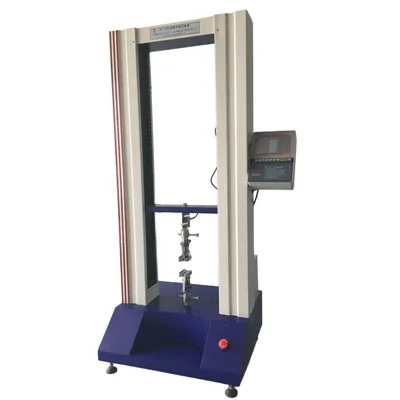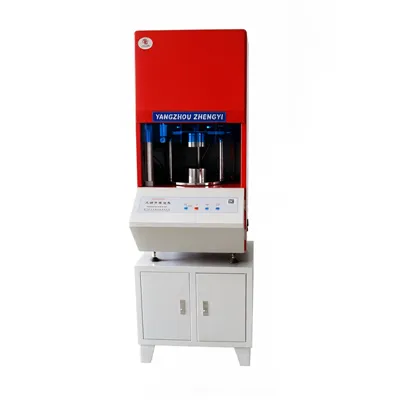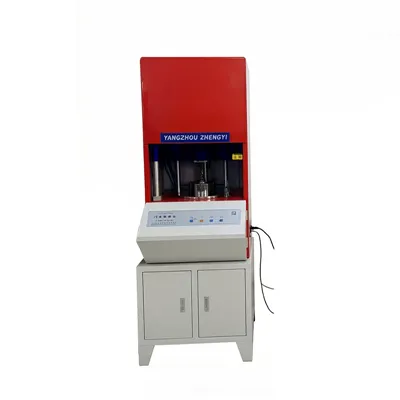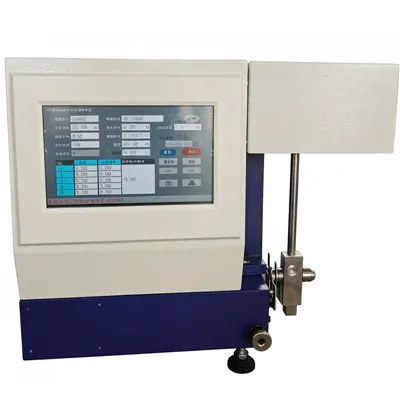
Rubber and plastic testing machines involve high-precision measurement and mechanical loading, so proper operation is essential to ensure data accuracy and extend equipment service life. Following standardized precautions helps maintain safe, stable, and reliable testing performance.
First, regarding installation and environmental conditions, the testing machine should be placed on a stable and level surface free from vibration. External vibrations may interfere with measurement accuracy. The laboratory environment should maintain relatively stable temperature and humidity, and exposure to high temperatures, moisture, or corrosive gases should be avoided to protect sensor sensitivity and overall equipment precision.
Second, during specimen preparation and mounting, samples must be manufactured strictly according to relevant standards to ensure correct dimensions and shapes. When installing specimens, proper alignment and secure gripping are required to prevent eccentric loading or slippage, which could distort test results or cause premature specimen failure.
Third, in operational control, loading speed and test parameters should be reasonably set according to material characteristics. Excessively fast or slow loading may affect the authenticity of the stress-strain response. During operation, mechanical components should not be adjusted or the test forcibly interrupted, as this may damage the transmission system or compromise data integrity.
In addition, regular maintenance is essential. Transmission parts, fixtures, and sensors should be inspected and lubricated periodically to ensure smooth operation. Residual debris and contaminants should be cleaned in time to prevent wear and measurement interference.
Finally, safety precautions must be strictly followed. Operators should be professionally trained and familiar with emergency stop functions and equipment structure. During high-load or impact testing, a safe distance should be maintained to prevent potential injury.
Overall, standardized operation and proper maintenance are key to ensuring long-term stability and accurate performance of rubber and plastic testing machines.