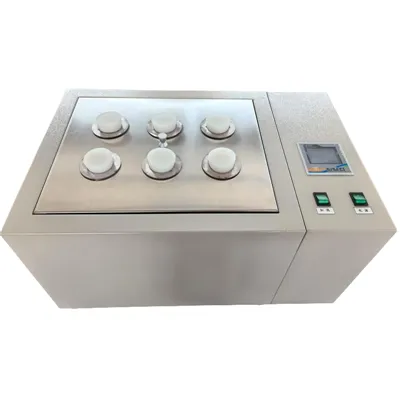
Hey there! As a supplier of Hdt Vicat Testers, I often get asked about the power consumption of these nifty machines. So, I thought I'd take a deep - dive into this topic and share all the details with you.
First things first, let's understand what an Hdt Vicat Tester is for. It's a crucial piece of equipment in the materials testing industry. The Heat Deflection Temperature (HDT) test determines the temperature at which a plastic or polymer test bar deflects a specified amount under a load. The Vicat Softening Temperature test, on the other hand, finds the temperature at which a flat - ended needle penetrates a plastic specimen to a given depth under a specific load. Both these tests are super important for manufacturers to ensure the quality and performance of their plastic products.
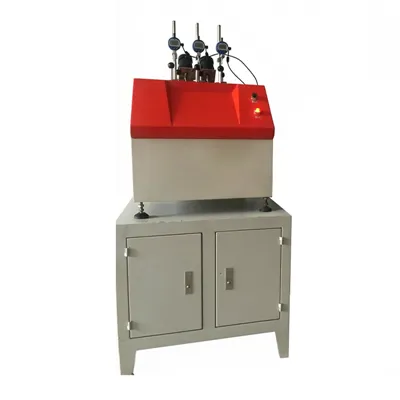
Now, to the main question: what's the power consumption of an Hdt Vicat Tester? Well, it varies depending on a few factors.
Factors Affecting Power Consumption
1. Heating System
The heating system is one of the major power - consumers in an Hdt Vicat Tester. These testers use heaters to raise the temperature of the testing medium (usually oil or air). The power required by the heaters depends on their wattage. High - wattage heaters can heat up the testing medium faster, but they also consume more power. For instance, a small - scale Hdt Vicat Tester with a low - power heater might use around 1 - 2 kilowatts (kW) during the heating phase. However, larger, industrial - grade models with more powerful heaters can consume anywhere from 3 - 5 kW or even more. Once the desired temperature is reached, the power consumption usually drops as the heater only needs to maintain the temperature. This standby power might be around 0.5 - 1 kW, depending on the insulation of the tester and the ambient temperature.
2. Stirring Mechanism
Most Hdt Vicat Testers have a stirring mechanism to ensure uniform temperature distribution in the testing medium. The power used by this mechanism is relatively small compared to the heating system. It typically ranges from 50 - 200 watts, depending on the power of the motor driving the stirrer.
3. Instrumentation and Controls
The electronics and controls in an Hdt Vicat Tester also consume power. This includes things like the temperature sensors, the display unit, and the control board. The power required for these components is usually in the range of 10 - 50 watts.
Average Power Consumption
Taking all these factors into account, during a typical test cycle (heating up to the test temperature, maintaining it, and then cooling down), an Hdt Vicat Tester might consume an average of 1.5 - 3 kWh. If you run multiple tests in a day, the total power consumption will add up accordingly.
It's important to note that newer models of Hdt Vicat Testers are designed to be more energy - efficient. They use advanced heating elements and control algorithms to reduce power consumption without compromising on performance. For example, some testers can adjust the heater power based on the rate of temperature change, which helps in saving energy.

Now, let's talk about how this power consumption compares to other testing machines in our product line.
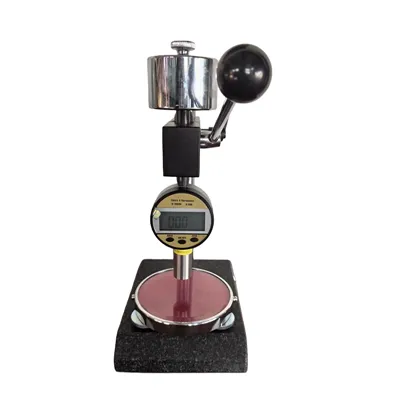
We also offer an Electronic Hardness Tester. These machines generally have a lower power consumption because they don't need to heat up large volumes of materials. They mainly use power for the motor that applies the load and the electronics for measurement and display. On average, an Electronic Hardness Tester might consume around 0.2 - 0.5 kWh per test cycle.
The Low Temperature Brittleness Tester has a different power - consumption profile. It uses a cooling system to reach the low temperatures required for the test. The power consumption during the cooling phase can be quite high, similar to an air - conditioning unit. However, once the desired low temperature is maintained, the power usage decreases. Overall, it might consume around 2 - 4 kWh per test, depending on how long the test runs and the initial ambient temperature.
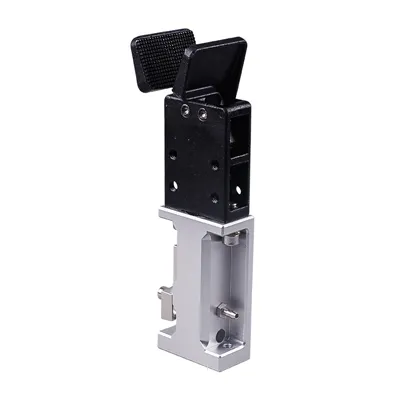
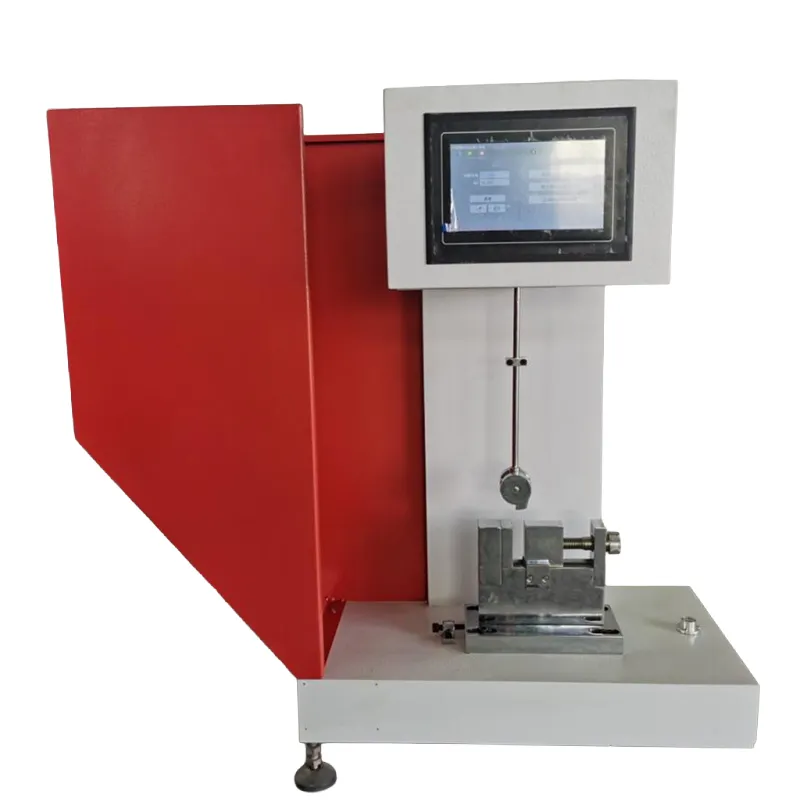
The Izod Impact Machine is relatively low - power. It mainly uses power for the motor that raises the pendulum and the electronics for measuring the impact energy. The power consumption for this machine is usually less than 0.1 kWh per test.
Our Rotorless Rheometer is another important testing device. It uses power for heating the test chamber and driving the oscillating element. The power consumption can be similar to an Hdt Vicat Tester during the heating phase, ranging from 1 - 3 kW, but it might be lower on average since the test cycle is often shorter.
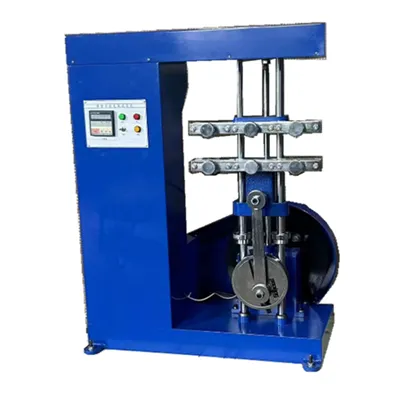
Lastly, our Rubber Testing Machine has a variable power consumption depending on the type of test it performs. For simple tensile tests, the power consumption might be relatively low, around 0.5 - 1 kWh. But for more complex tests that involve heating or dynamic loading, the consumption can be higher, up to 2 - 3 kWh.
Why Does Power Consumption Matter?
Power consumption matters for a few reasons. Firstly, it affects your operating costs. Higher power consumption means higher electricity bills. If your business runs multiple testing machines for a long time, the savings from using energy - efficient equipment can be substantial.
Secondly, from an environmental perspective, lower power consumption means reduced carbon footprint. As more and more companies are looking to be more sustainable, having energy - efficient testing equipment can be a big plus.
Contact Us for More Info
If you're interested in purchasing an Hdt Vicat Tester or any of our other testing machines and want to know more about their power consumption or other features, don't hesitate to reach out. We're here to answer all your questions and help you make the right choice for your testing needs. Whether you're a small - scale laboratory or a large - scale manufacturing plant, we have the right solution for you.
References
- ASTM standards for HDT and Vicat testing
- Manufacturer's manuals for Hdt Vicat Testers and other testing machines