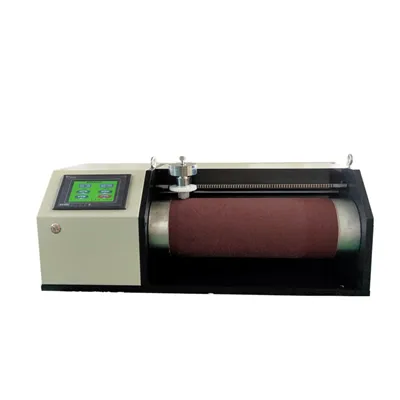
When it comes to testing machines, one crucial aspect that often gets overlooked is the noise level. As a leading supplier of testing machines, we understand the significance of this factor and its impact on both the testing environment and the operators. In this blog post, we will delve into the noise level of testing machines, exploring what it means, why it matters, and how it can affect your testing operations.
Understanding Noise Level
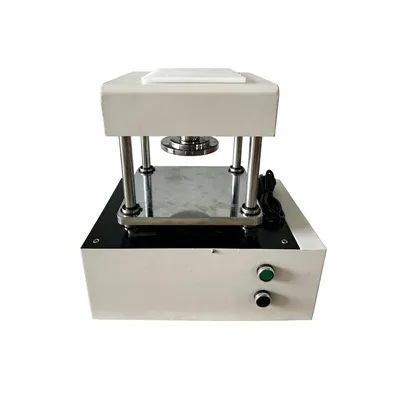
Noise level is typically measured in decibels (dB). It represents the intensity of sound and is an important metric to consider when evaluating the performance of a testing machine. Different types of testing machines generate varying levels of noise depending on their design, function, and the materials they are testing. For instance, a Ring Stiffness Tester used for testing the stiffness of pipes may produce a different noise level compared to an Izod Impact Machine used for impact testing.
Why Noise Level Matters
The noise level of a testing machine can have several implications. Firstly, it can affect the working environment. High noise levels can cause discomfort and stress for operators, leading to reduced productivity and potential health issues such as hearing loss over time. In a testing facility, where operators may be exposed to the machine's noise for extended periods, it is essential to keep the noise level within acceptable limits.
Secondly, noise can also interfere with the accuracy of test results. In some cases, excessive noise can introduce vibrations or other disturbances that may affect the measurements. For example, in a precision testing environment, even a small amount of noise-induced vibration can lead to inaccurate readings.
Factors Affecting Noise Level
Several factors can influence the noise level of a testing machine. The design of the machine plays a significant role. Machines with well-designed components and proper insulation tend to produce less noise. For example, a testing machine with a well-balanced motor and a sturdy frame is likely to generate less vibration and noise compared to a poorly designed one.
The type of testing being performed also affects the noise level. Some tests, such as impact testing, inherently produce more noise due to the sudden release of energy. On the other hand, tests that involve slow and steady movements, like some types of material testing, may generate less noise.
The materials being tested can also impact the noise level. Harder materials may produce more noise when being tested compared to softer materials. For example, testing a metal sample may result in a louder noise than testing a plastic sample.
Measuring Noise Level
To measure the noise level of a testing machine, a sound level meter is typically used. This device can accurately measure the intensity of sound in decibels. When measuring the noise level, it is important to follow the appropriate standards and procedures. For example, the measurement should be taken at a specific distance from the machine and in a consistent environment to ensure accurate and comparable results.
Controlling Noise Level
There are several ways to control the noise level of a testing machine. One approach is to use noise-reducing materials and insulation. For example, adding sound-absorbing panels to the machine's enclosure can help reduce the noise level. Another option is to optimize the machine's design to minimize vibrations and noise generation. This may involve using high-quality components, proper balancing, and effective damping techniques.
In addition, operators can also take steps to protect themselves from the noise. Wearing appropriate hearing protection, such as earplugs or earmuffs, can significantly reduce the risk of hearing damage.
Our Testing Machines and Noise Level
As a supplier of testing machines, we are committed to providing high-quality products with low noise levels. Our Aging Test Chamber is designed with advanced insulation materials to minimize noise during operation. The chamber is also equipped with a quiet ventilation system to ensure a comfortable testing environment.
Our Ring Stiffness Tester is engineered with precision components to reduce vibrations and noise. The machine's design allows for smooth and quiet operation, making it suitable for use in various testing facilities.

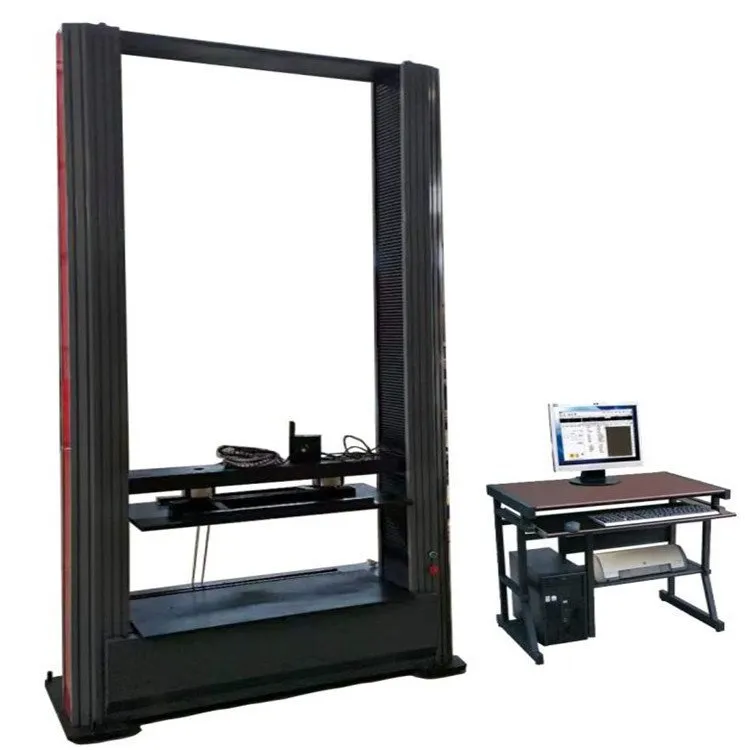
Similarly, our Izod Impact Machine is designed to minimize noise while providing accurate and reliable test results. The machine's impact mechanism is carefully calibrated to reduce the noise generated during the testing process.
Conclusion
In conclusion, the noise level of a testing machine is an important factor to consider when choosing a testing solution. High noise levels can have a negative impact on the working environment, test accuracy, and operator health. By understanding the factors that affect noise level and taking appropriate measures to control it, you can ensure a more comfortable and efficient testing operation.
If you are in the market for a testing machine and are concerned about noise level, we invite you to contact us for more information. Our team of experts can provide you with detailed information about our products and help you choose the right testing machine for your needs. We look forward to the opportunity to work with you and provide you with the best testing solutions.
References
- ISO 1996-1:2016. Acoustics - Description, measurement and assessment of environmental noise - Part 1: Basic quantities and assessment procedures.
- OSHA. Occupational Noise Exposure. https://www.osha.gov/noise-exposure