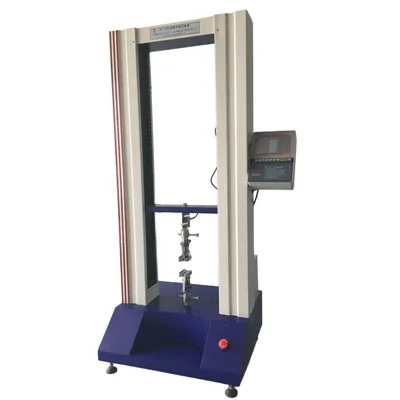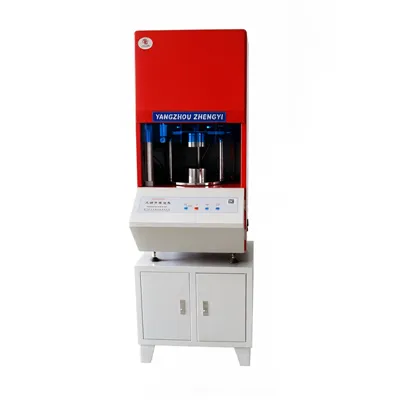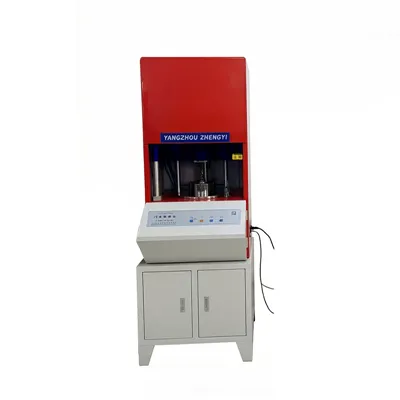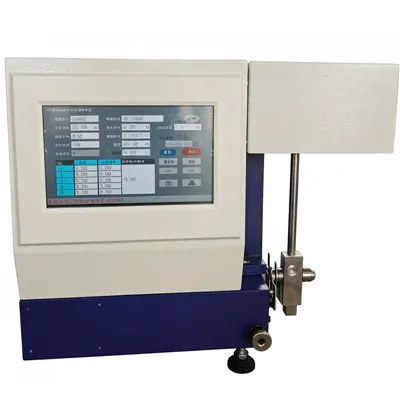
With the expanding use of polymer materials in modern industry, rubber and plastic testing machines have become essential tools for evaluating material performance across a wide range of sectors, including research, manufacturing, and quality inspection.
In the rubber and plastics manufacturing industry, these machines are primarily used during product development and process optimization. By conducting tensile, compression, bending, and impact tests on raw materials and finished products, manufacturers can accurately understand mechanical behavior under different conditions. The resulting data helps refine formulation design and improve durability and stability. In applications such as tires, sealing components, and plastic piping, test results play a direct role in adjusting production processes and ensuring consistent product quality.
In the automotive industry, rubber and plastic testing machines are widely applied to evaluate interior and exterior components, rubber damping systems, and engineering plastic parts. Since these components require high strength and fatigue resistance, systematic testing is essential to assess reliability under complex working conditions, thereby contributing to vehicle safety and extended service life.
In research institutions and university laboratories, these machines serve as fundamental equipment for polymer science studies. Researchers use them for new material development, performance analysis, and theoretical validation, generating experimental data that supports the creation of performance models and the advancement of composite and functional materials.
In addition, third-party testing organizations and quality supervision agencies rely on these systems for product certification and compliance verification. By following standardized procedures, they evaluate the mechanical properties of rubber and plastic products from different manufacturers, ensuring compliance with industry and national standards and maintaining overall market quality stability.
Overall, rubber and plastic testing machines have evolved from simple laboratory instruments into comprehensive tools integrated across the entire chain of research, production, and quality assurance, playing a vital role in advancing material science and industrial development.