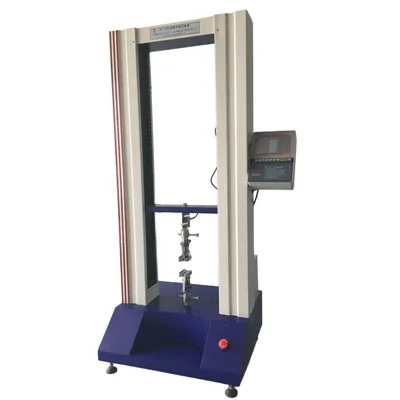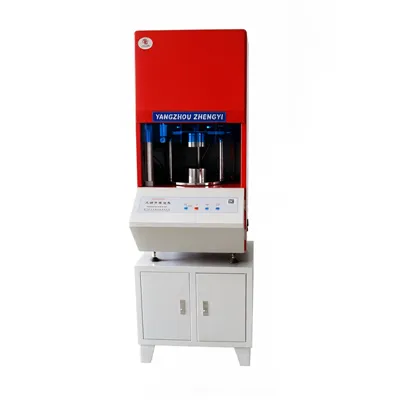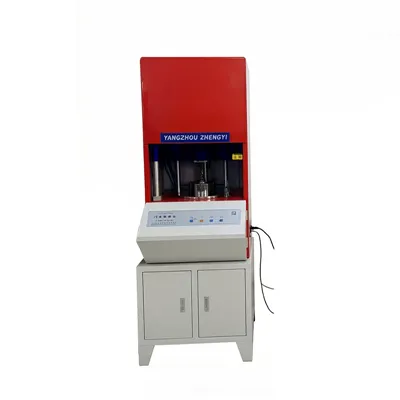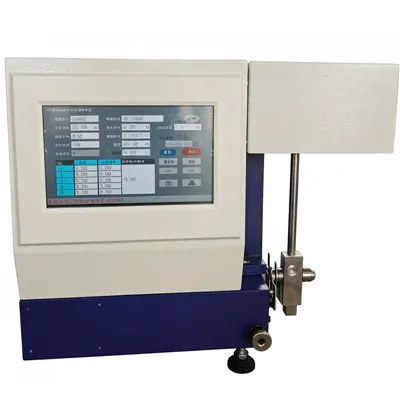
Molds are essential components in industrial manufacturing and material processing, and their structural design directly affects production efficiency, product quality, and service life. While different types of molds have specific design features, their structural characteristics generally include overall frame stability, functional zoning, precision, and ease of maintenance.
One key feature of molds is high rigidity and structural stability. Molds are typically made from high-strength steel or alloy materials, enabling them to withstand the high pressure and shear forces generated during processing while maintaining geometric stability. This design ensures that molds do not deform under prolonged high-intensity use, guaranteeing dimensional accuracy and consistency of the processed products.
Molds also feature well-organized functional zoning. Modern molds are divided into distinct functional areas such as forming zones, guiding sections, venting channels, and cooling circuits. Proper zoning optimizes the production process and enhances both the precision and efficiency of product formation.
Another important characteristic is high precision. Critical areas like cutting edges, cavities, and mating surfaces are manufactured with precision and surface treatments to ensure accurate positioning and stable closure during use, improving surface finish and dimensional accuracy of the final product.
Additionally, mold designs emphasize ease of maintenance and replaceability. Modular structures, replaceable liners, and detachable components allow convenient cleaning, repair, and part replacement, extending mold lifespan and reducing maintenance costs.
Finally, molds pay special attention to cooling and heat dissipation. Properly designed cooling channels and heat-dissipating structures effectively control processing temperatures, reduce thermal deformation, and ensure stable high-precision production in batch processing.
Overall, molds are characterized by high rigidity, well-organized functional zones, precision, maintainability, and effective heat management. These structural features make them a critical factor in ensuring product quality and production efficiency in modern manufacturing.