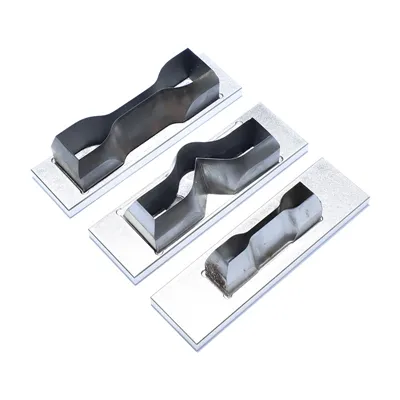
Sample fixtures are essential tools in various industries, especially in quality control, research and development, and manufacturing processes. As a leading sample fixture supplier, our in - depth understanding of the design principles behind these fixtures allows us to provide high - quality solutions to our clients. In this blog, we will explore the main design principles of sample fixtures.
Functionality Principle
The primary design principle of sample fixtures is functionality. Each fixture should be designed to serve a specific purpose. For example, in a testing laboratory, sample fixtures are used to hold specimens securely during tests. Whether it's a tensile test, a hardness test, or a chemical analysis, the fixture must be able to hold the sample in place without any movement or displacement.
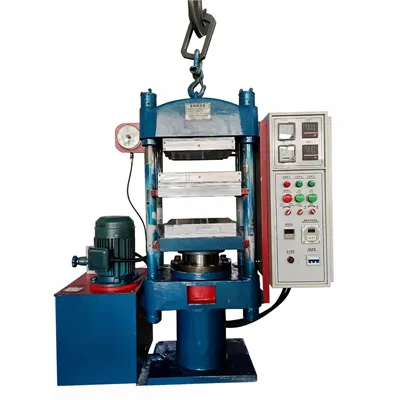
Let's take the Plate Vulcanizing Press ["Plate Vulcanizing Press", "/specimen - preparation/plate - vulcanizing - press.html"] as an example. This device is used in rubber and plastics industries to mold samples. The corresponding sample fixture needs to be capable of withstanding high temperatures and pressures. It should also be designed to ensure that the sample is evenly distributed within the mold cavity, so that the final product has consistent properties.
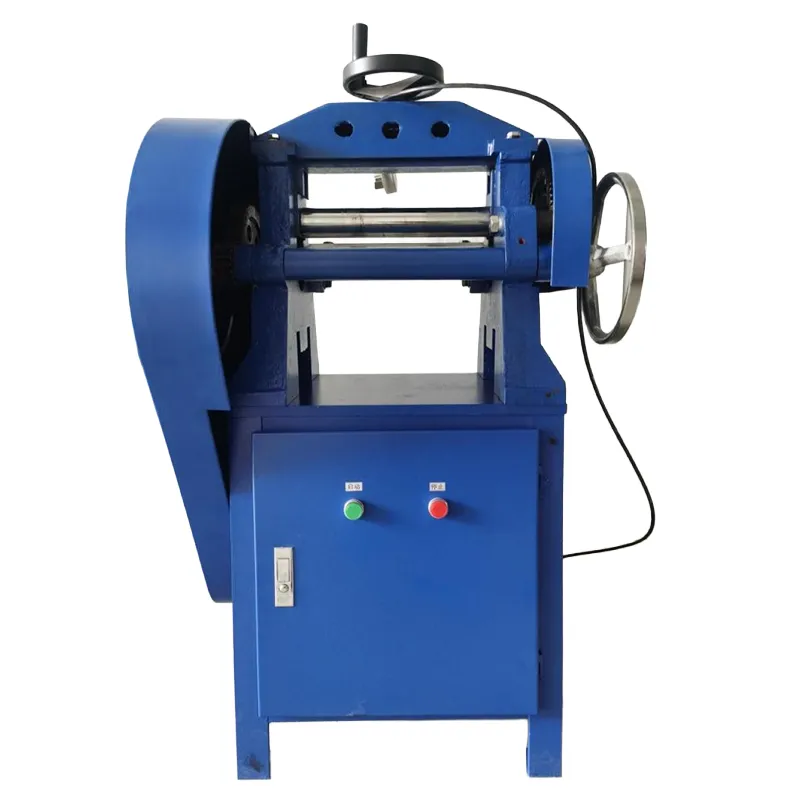
In the case of the Rubber Slicing Machine ["Rubber Slicing Machine", "/specimen - preparation/rubber - slicing - machine.html"], the sample fixture should hold the rubber block firmly. A well - designed fixture will prevent the rubber from slipping during the slicing process, ensuring accurate and uniform slices for further testing or processing.
Accuracy Principle
Accuracy is another crucial design principle. Even the slightest deviation in the positioning of a sample can lead to inaccurate test results or poor - quality products. Sample fixtures need to be designed with high precision to ensure that the sample is placed in the exact position required for the operation.
For instance, in the Cross Linked Cable Slicing Machine ["Cross Linked Cable Slicing Machine", "/specimen - preparation/cross - linked - cable - slicing - machine.html"], the cable sample must be placed precisely in the fixture. The fixture should be able to position the cable with a high degree of accuracy, so that the slices obtained are of the desired thickness and quality.
In a notch - making operation using the Notch Sample Making Machine ["Notch Sample Making Machine", "/specimen - preparation/notch - sample - making - machine.html"], the fixture needs to hold the sample in such a way that the notch is cut at the correct location and with the right dimensions. Any error in the sample's positioning can lead to inconsistent notch characteristics, which will affect the reliability of the subsequent impact testing.
Compatibility Principle
Sample fixtures should be designed to be compatible with different types of samples and equipment. In many industrial settings, a single fixture may need to be used for multiple types of specimens or with various testing machines.
For example, a sample fixture used in a materials testing laboratory may need to accommodate samples of different shapes (such as circular, rectangular) and sizes (ranging from small parts to large specimens). This requires a flexible design that allows for easy adjustment of the fixture to fit different samples.
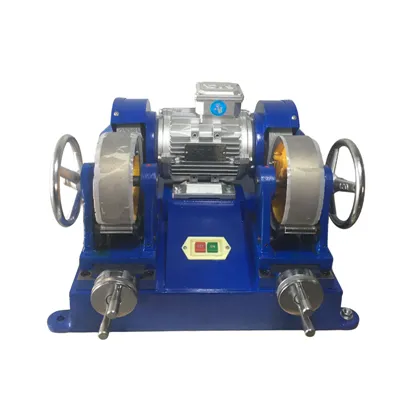
When it comes to compatibility with equipment, the fixture should be designed to be easily mounted on different machines. Consider the Lab Two Roll Mill ["Lab Two Roll Mill", "/specimen - preparation/lab - two - roll - mill.html"], a sample fixture used in conjunction with it should be able to fit onto the mill without any major modifications, ensuring seamless integration and efficient operation.
Durability Principle
Durability is a key consideration in the design of sample fixtures. These fixtures are often subjected to harsh operating conditions, such as high temperatures, high pressures, and repeated use. A durable fixture will not only ensure long - term performance but also reduce the frequency of replacement, which in turn reduces costs.
For fixtures used in high - temperature environments like the Plate Vulcanizing Press, the materials chosen should have high heat resistance. They should be able to maintain their shape and mechanical properties even after being exposed to elevated temperatures for extended periods.
In fixtures that are used for continuous testing or manufacturing processes, such as those in conjunction with the Rubber Slicing Machine, wear - resistance is crucial. The fixture should be made of materials that can withstand the cutting forces and abrasion associated with the slicing operation without significant wear and tear.
Ease of Use Principle
Designing sample fixtures with ease of use in mind is essential for improving productivity. Operators should be able to load and unload samples quickly and easily. The fixture should also be easy to adjust and set up for different operations.
Fixtures with intuitive designs reduce the learning curve for new operators. For example, in the case of a sample fixture used with the Cross Linked Cable Slicing Machine, a simple locking mechanism to secure the cable and easy - to - adjust guides for setting the slice thickness will make the operation more efficient.
In addition, the fixture should be easy to clean and maintain. This is especially important in industries where contamination can affect the test results or product quality. For instance, in a chemical analysis laboratory, a fixture that can be easily disassembled and cleaned will prevent cross - contamination between different samples.
Safety Principle
Safety is a top priority in the design of sample fixtures. The fixture should be designed in such a way that it minimizes the risk of accidents to the operators.
For fixtures used in high - pressure or high - temperature equipment like the Plate Vulcanizing Press, safety features such as proper insulation, pressure relief valves, and secure locking mechanisms are essential. These features prevent the release of dangerous substances or the occurrence of mechanical failures that could harm the operators.
In fixtures associated with cutting or grinding machines like the Rubber Slicing Machine, protective guards should be incorporated to prevent the operators from coming into contact with sharp blades or moving parts.
Standardization Principle
Standardization simplifies the design, manufacturing, and use of sample fixtures. By following industry standards, the fixtures can be easily interchanged and used in different setups. It also ensures that the test results obtained using these fixtures are comparable across different laboratories and industries.
For example, using standard dimensions and thread sizes for mounting holes in the fixture will allow it to be easily installed on different machines. Standardized test specimen sizes and shapes also make it easier to design fixtures that can accommodate a wide range of samples.
Cost - effectiveness Principle
Last but not least, cost - effectiveness is an important design principle. While high - quality fixtures are essential, they should also be designed to be cost - effective. This can be achieved by using appropriate materials, optimizing the design to reduce manufacturing costs, and ensuring a long service life.
For example, choosing materials that are readily available and have a good balance between performance and cost can significantly reduce the overall cost of the fixture. A well - designed fixture that requires minimal maintenance and has a long lifespan will also result in lower long - term costs for the end - user.
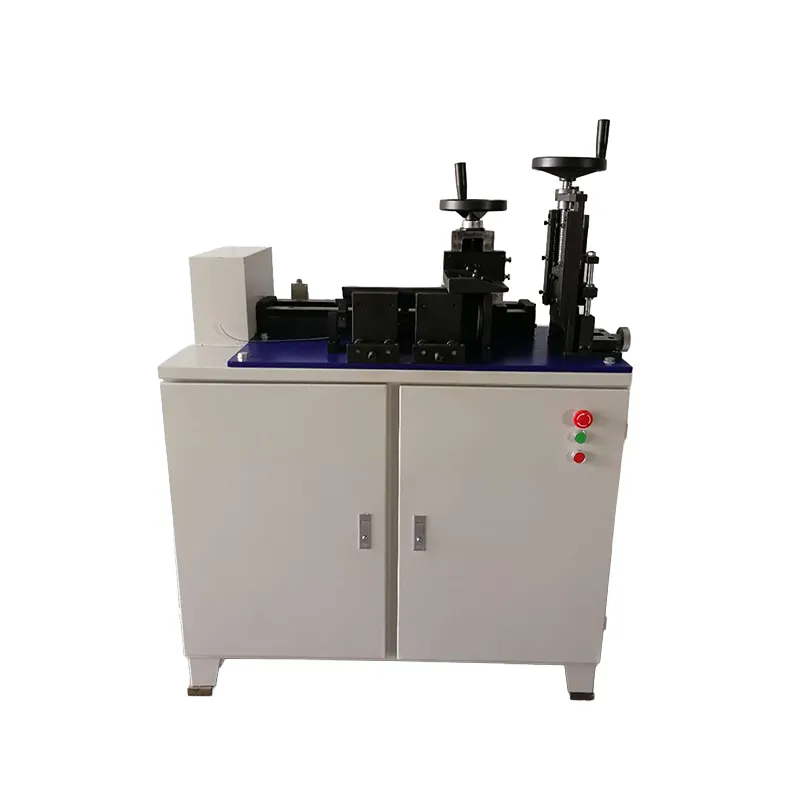
As a sample fixture supplier, we strive to incorporate all these design principles into our products. Our team of experienced engineers carefully designs each fixture to meet the specific needs of our clients and the requirements of different industries.
If you are in the market for high - quality sample fixtures that adhere to these design principles, we encourage you to reach out to us. Our dedicated sales team is ready to discuss your specific requirements and provide you with the best solutions for your sample - handling needs. Contact us today to start the procurement and negotiation process.
References
- Smith, J. (2018). Principles of Engineering Design. Publisher XYZ.
- Johnson, A. (2020). Materials and Manufacturing for Industrial Fixtures. ABC Press.
- Thompson, B. (2019). Quality Control in Sample Testing: The Role of Fixtures. DEF Publishing.